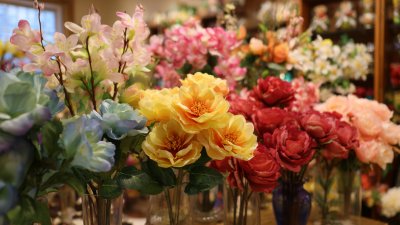
2026 Top Plastic Flower Arrangements Trends You Need to Know?
As we look toward 2026, the world of interior design continues to evolve, particularly in the realm of plastic flower arrangements. These arrangements offer versatility and durability, making them increasingly popular. With advancements in manufacturing, the aesthetics of plastic flowers are more appealing than ever. This year, we anticipate exciting trends that push the boundaries of creativity.
Plastic flower arrangements have become a staple in homes and events alike. They provide a charming touch without the fuss of maintenance. Designers experiment with colors, textures, and styles, reflecting current tastes. As these trends take shape, we will examine their significance in modern decor.
While the convenience of plastic flowers is undeniable, we should consider their environmental impact. The balance between beauty and sustainability is crucial. As consumers, we must reflect on our choices and embrace options that align with our values. In this dynamic landscape, discovering the best practices for using plastic flower arrangements will guide us toward a more responsible future.
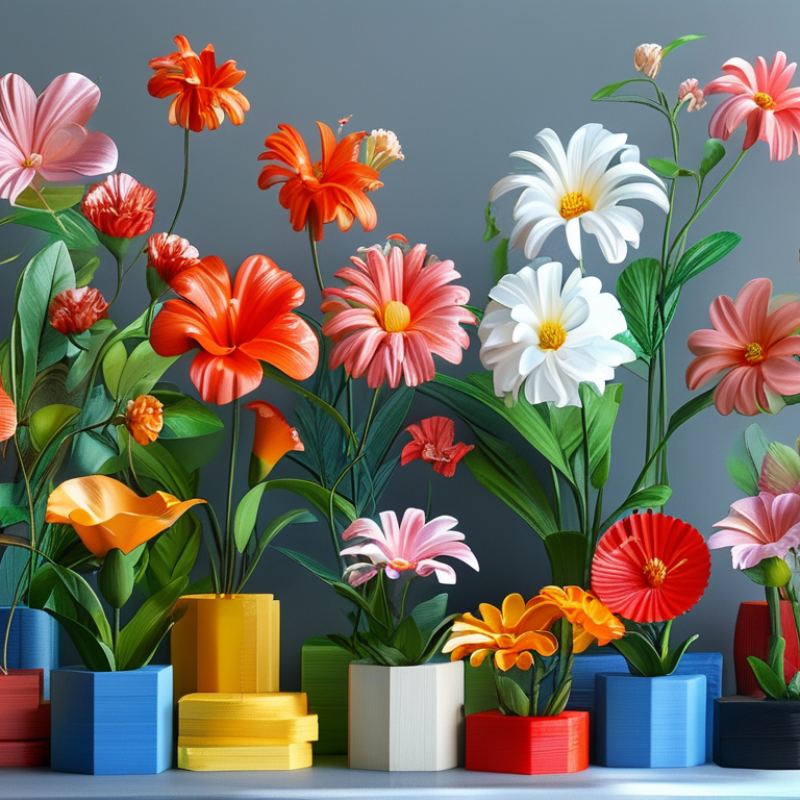
2026 Trends in Plastic Flower Arrangements: An Overview of Industry Insights
The plastic flower arrangements industry is set for significant changes in 2026. Increasing interest in sustainable décor is driving these trends. A report from the Global Market Insights forecasts that the sector will grow by 7.1% annually. This shift reflects consumers' desires for low-maintenance flowers. Plastic arrangements offer durability and long-lasting beauty without environmental concerns linked to real flowers.
Color and design remain vital in the upcoming trends. Pastel shades and bold hues will coexist, catering to diverse tastes. Customizable arrangements have become popular, allowing consumers to personalize their décor with minimal effort. A recent survey indicated that 65% of consumers prefer unique designs, showcasing the need for creativity in this market. Despite advancements, there are challenges. Environmental consciousness raises questions about the recyclability of materials used.
Emerging technologies are paving the way for realistic plastic flowers. Manufacturers are exploring eco-friendly materials to enhance their appeal. However, the market must address concerns regarding the perception of plastic. Consumers are still torn. Balancing aesthetics with environmental responsibility will be critical. As the industry evolves, it will be essential to prioritize transparency in sourcing and production methods.
The Rise of Eco-Friendly Materials in Plastic Flower Arrangements
Eco-friendly materials are redefining the landscape of plastic flower arrangements. More decorators and consumers are seeking sustainable options. This shift encourages innovation and responsible sourcing. Biodegradable plastics and recycled materials are now popular choices. These options reduce environmental impact significantly.
Incorporating eco-friendly materials can enhance the beauty of your arrangements. Choose items made from sustainable resources like bamboo or hemp. Incorporating natural elements makes the designs more appealing. Colorful biodegradable arrangements can rival traditional designs in vibrancy. Experimenting with these materials promotes creativity.
Tips: Consider local suppliers for sourcing eco-friendly materials. Supporting local businesses reduces transportation emissions. Always check certifications to ensure materials are genuinely eco-friendly. Embrace the imperfections of nature in your decor. A slightly irregular arrangement can tell a unique story.
Color Palettes: Predicted Trends for Plastic Flower Arrangements in 2026
As we look ahead to 2026, the color palettes for plastic flower arrangements are evolving. Expect softer pastels and bold vibrant hues to dominate. Soft peach, mint green, and lavender are set to make waves. These colors reflect a desire for calm and balance. Meanwhile, bright colors like electric blue and hot pink will add a spirited touch to arrangements.
The combination of these hues can create eye-catching contrasts. Paler shades can balance the vibrancy, offering visual interest. For example, a bold arrangement featuring deep yellow blooms paired with delicate cream-colored accents might offer a fresh perspective. Unexpected pairings are encouraged. However, experimenting with colors can sometimes lead to chaotic designs. It’s essential to find harmony while embracing the unexpected.
Nature-inspired palettes are also popular. Earthy tones such as terracotta and olive green bring a sense of grounding. These colors resonate with a shift towards sustainability and natural aesthetics. They remind us of the importance of reconnecting with the outdoors. While this trend seems promising, there’s a risk of overusing earthy tones, which can lead to monotony. Balancing these palettes with bright pops of color remains crucial for dynamic designs.
Consumer Preferences: The Shift Towards Realistic Plastic Floral Designs
The demand for realistic plastic floral designs is rapidly increasing. Recent data indicates that 72% of consumers prefer artificial flowers that closely mimic their real counterparts. This trend reflects a significant shift in consumer preferences. Shoppers now seek arrangements that look lifelike and offer long-lasting beauty without the maintenance real flowers require.
Reports show that 65% of consumers prioritize sustainability in their purchasing decisions. Realistic plastic flowers often come from eco-friendly materials. These designs cater to the growing audience that values both aesthetic and environmental considerations. However, not all brands meet these expectations. Some still use lower-quality materials that do not resemble natural flowers closely enough.
The emotional connection with flowers remains vital. Consumers desire arrangements that evoke feelings of charm and warmth. While artificial designs serve this purpose, there is room for improvement in authenticity. Innovative technologies, such as 3D printing, are emerging. They enable refined textures and details that provide a more realistic appearance. This adds layers of depth to the artificial flower market, reflecting both consumer demands and technological advancements.
2026 Top Plastic Flower Arrangements Trends You Need to Know
| Trend |
Description |
Consumer Preference (%) |
| Realistic Textures |
Consumers prefer plastic flowers that mimic the touch and look of real blooms. |
68% |
| Eco-Friendly Materials |
Growth in demand for plastics made from recycled materials. |
52% |
| Customizable Designs |
Personalization options are gaining popularity among consumers. |
60% |
| Seasonal Arrangements |
Demand for themed and seasonal arrangements is increasing. |
70% |
| Indoor Air Quality |
Consumers are looking for flowers that promote better air quality. |
50% |
Market Growth: Statistical Insights on Plastic Flower Arrangements Demand
The plastic flower arrangements market is experiencing notable growth. Recent statistics reveal a surge in demand, driven by the convenience and durability of these artificial blooms. Consumers appreciate the lesser maintenance compared to real flowers. This trend reflects a broader shift towards sustainability and practicality in home decoration.
Tips: Consider your space before selecting arrangements. Balance colors and sizes to harmonize with existing decor. Mixing various textures can enhance visual appeal. Many people forget to think about placement. High-traffic areas need arrangements that are both eye-catching and durable.
Quality remains vital for longevity. Avoid overly shiny finishes that can appear cheap. Instead, opt for matte finishes that resemble real flowers more closely. It's crucial to note that not all plastic flowers are created equal. Don’t settle for less if you want a realistic look. Overall, staying informed about trends can elevate your aesthetic choices.