2026 Top Fake Vines Spotlight Trends for Global Buyers?
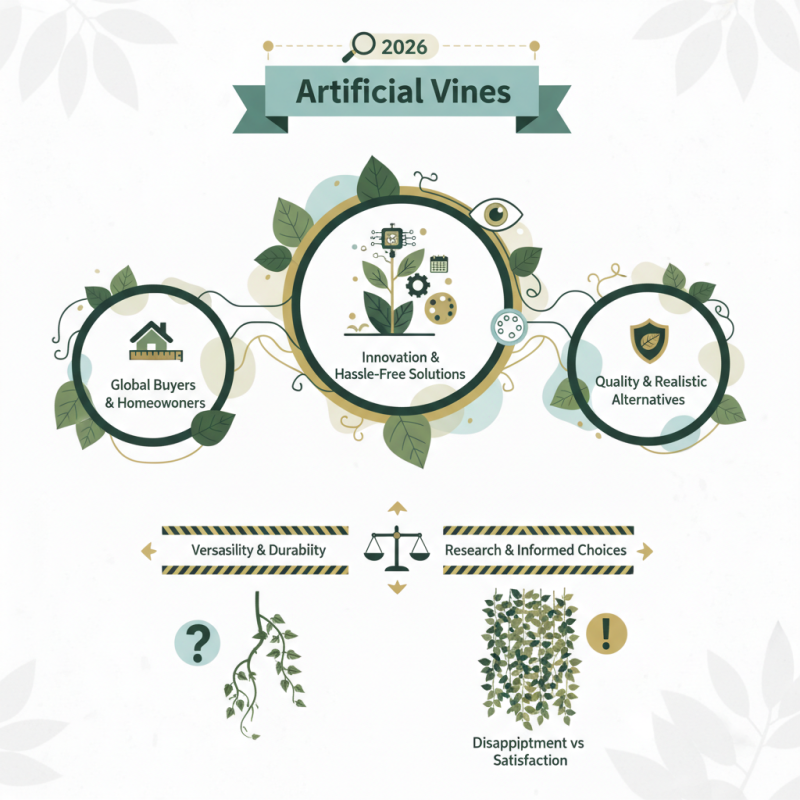
The 2026 Top Fake Vines Spotlight trends promise to reshape the landscaping market. As global buyers seek innovative solutions, these artificial plants are gaining prominence. Fake vines provide a hassle-free alternative for decorators, event planners, and homeowners.
Artificial greenery adds aesthetic appeal without the maintenance burdens of live plants. However, finding quality options can be challenging. Not all fake vines are created equal, and some may lack realism. A keen eye is necessary for discerning authentic-looking products.
Understanding these trends is crucial for buyers aiming to make informed choices. While many fake vines offer versatility and durability, not all will meet your needs. Investing in high-quality fake vines requires thorough research. Choosing the wrong products can lead to disappointment. Buyers should embrace these trends with caution and intention.
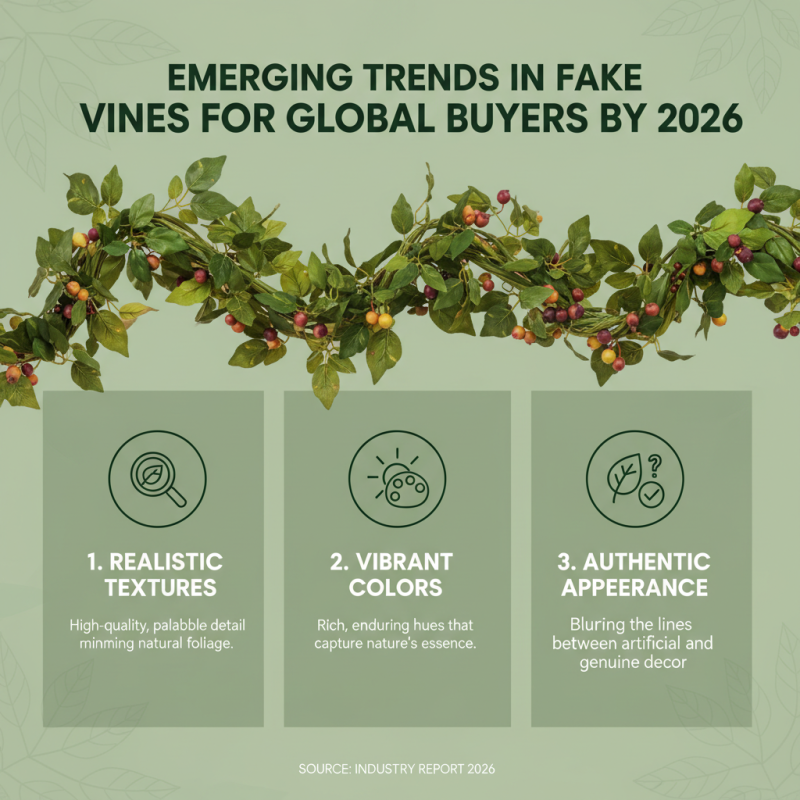
Emerging Trends in Fake Vines for Global Buyers by 2026
As we look toward 2026, the trends in fake vines are shifting significantly. Buyers should note the increasing demand for realistic textures and vibrant colors. High-quality materials offer a lifelike appearance, capturing the essence of natural foliage. This focus on authenticity reflects a broader desire for decor that feels genuine. While artificial, these vines aim to blur the lines between real and fake.
Sustainability plays a crucial role in this transformation. Consumers now seek eco-friendly options. Manufacturers are exploring recycled materials to lessen environmental impact. However, the challenge remains: Can these products maintain quality and aesthetics? Innovations in manufacturing processes may provide solutions. Yet, there’s a lingering question about the long-term viability of these products in a rapidly changing market.
The aesthetic appeal of fake vines continues to evolve. Trends show a rise in subtle hues with varying shades. While bold colors attract attention, understated tones offer versatility in design. However, balancing trends with timeless appeal can be tricky. Buyers must consider how their choices will stand the test of time. Embracing these emerging trends requires a careful approach to ensure lasting satisfaction and relevance in home decor.
Market Analysis: Growth Projections and Demand for Fake Vines
The market for fake vines is on the rise, driven by the growing demand for home decoration and landscaping solutions. According to industry reports, the global artificial plants market is projected to reach $1.9 billion by 2026, with fake vines accounting for a considerable share. This growth is attributed to consumers seeking low-maintenance, sustainable options that enhance aesthetic appeal.
Trends indicate that buyers are increasingly favoring realistic textures and vibrant colors in fake vines. They are opting for materials that mimic natural flora. These choices cater to a wide range of applications, including indoor and outdoor settings. Data suggests that the demand for eco-friendly materials is also influencing consumer decisions, pushing manufacturers to innovate.
Tips: When selecting fake vines, consider the setting. Indoor use benefits from varieties that thrive in low light. For outdoor use, choose UV-resistant options for longevity. Always check the quality for better visual appeal. Reflect on your personal style—balance realism and decor to enhance your spaces effectively.
2026 Top Fake Vines Spotlight Trends for Global Buyers
| Region |
Market Size (Million USD) |
Growth Rate (%) |
Main Application |
Trend Insights |
| North America |
150 |
8.5 |
Home Decoration |
Sustainability and eco-friendliness are key drivers. |
| Europe |
120 |
7.0 |
Event Decoration |
Increasing demand for realistic designs. |
| Asia-Pacific |
100 |
9.5 |
Commercial Spaces |
Rapid urbanization increasing demand in urban settings. |
| Latin America |
80 |
6.0 |
Retail and Hospitality |
Growing interest in aesthetic enhancements in stores. |
| Middle East & Africa |
50 |
5.5 |
Luxury Residential |
Focus on premium and custom designs. |
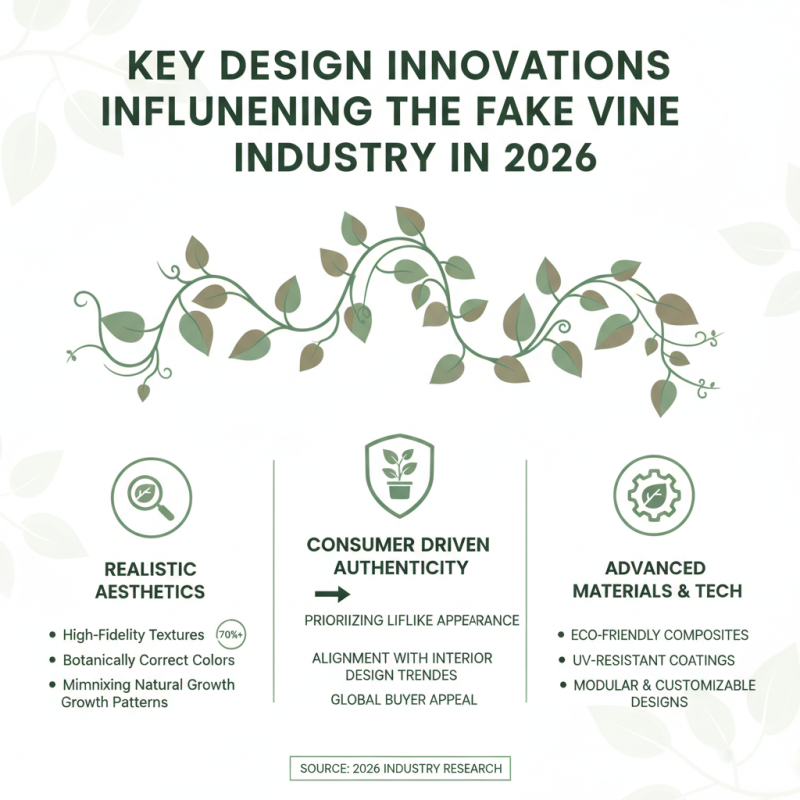
Key Design Innovations Influencing the Fake Vine Industry in 2026
The fake vine industry is evolving rapidly, driven by innovative design trends that appeal to global buyers. In 2026, research shows that aesthetic preferences are shifting toward more realistic styles. Reports indicate that over 70% of consumers prioritize lifelike textures and colors. This trend reflects a deeper understanding of interior design that values authenticity, even in artificial products.
Furthermore, sustainability is becoming important. A significant 45% of consumers now seek eco-friendly materials in their purchases. Manufacturers are responding by experimenting with recycled plastics and biodegradable options. However, the challenge remains. How can brands create sustainable products without sacrificing quality? This question lingers, pushing the industry toward continuous improvement.
Emerging technology is also impacting design processes. Advances in artificial intelligence and 3D modeling influence the way fake vines are created. Businesses adopting these technologies report a 25% reduction in production time. Yet, reliance on technology raises concerns about creativity. Can automation lead to a loss of artistic touch? These questions remain vital as the fake vine industry navigates its future in 2026.
Sustainability in Fake Vine Production: Eco-Friendly Trends in 2026
Sustainability is driving change in the fake vine production industry. Eco-friendly trends are emerging for 2026. A recent market analysis shows that up to 75% of consumers prefer sustainable products. This preference influences manufacturers to adopt greener practices.
Materials like recycled plastics are gaining traction. These alternatives reduce environmental impact and promote circular economy principles. Reports indicate that the market for eco-friendly fake vines could grow by 30% within three years. This growth aligns with increasing consumer awareness regarding sustainability.
However, challenges remain. Not all manufacturers adopt sustainable methods. Some still rely on harmful chemicals in production. Buyers need to assess product origins and manufacturing processes. Transparency is crucial for informed purchasing decisions. Industry experts suggest that lasting change requires commitment from both producers and consumers.
2026 Sustainability Trends in Fake Vine Production
Geographical Insights: Leading Markets for Fake Vines Worldwide by 2026
The market for fake vines is rapidly evolving, shaped by regional preferences and consumer trends. By 2026, significant growth is expected in various areas. North America leads with a rising demand for realistic artificial plants. This region values aesthetics and low maintenance. Indoor gardening is becoming popular, especially among urban dwellers.
Europe follows closely, with a strong inclination towards sustainable and eco-friendly materials. Many consumers wish to beautify their spaces without harming the environment. The UK and Germany are particularly notable for their innovative designs. However, there is a growing concern about the quality and lifespan of these products. Buyers are increasingly questioning long-term durability.
In Asia, especially in countries like China and Japan, fake vines are gaining traction in both residential and commercial settings. The aesthetic appeal of artificial foliage complements modern architecture. Still, some consumers express skepticism about their natural appearance. This raises an essential debate between convenience and authenticity. Addressing these concerns could enhance the market’s credibility.