Artificial Floral Arrangements For Home Decor Trends 2026?
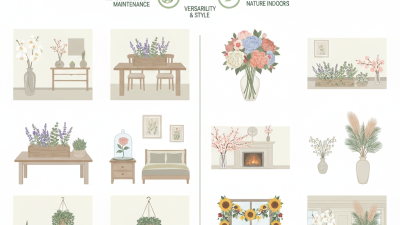
As we approach the trends of 2026, the appeal for "Artificial Floral Arrangements For Home" shines brighter than ever. These arrangements offer a unique blend of style and convenience. Homeowners today are increasingly mindful of their aesthetic choices. They desire floral designs that remain vibrant and fresh without the ongoing upkeep of live plants. The versatility of artificial flowers allows for endless creativity in home decor.
In 2026, we anticipate bold colors paired with classic designs. These flowers will complement various interior styles, from modern minimalism to cozy rustic settings. A surge in sustainable living has also influenced this trend. Consumers are looking for eco-friendly options that do not compromise their style.
However, selecting quality artificial arrangements can be challenging. Not all products are created equal. Some may look overly fake or lack texture. Educating oneself about the materials used can lead to better choices.
Artificial Floral Arrangements For Home are more than decorative items; they serve as a reflection of personal style. Embracing this trend means creating spaces that feel alive, even when they aren't. This pursuit of beauty can inspire deeper connections within the home.
Emerging Trends in Artificial Floral Arrangements for Home Decor
Artificial floral arrangements are transforming the future of home decor. As we look towards 2026, several emerging trends define this creative landscape. One notable trend is the use of sustainable materials in artificial flowers. Eco-friendly practices resonate with many homeowners. Biodegradable options are increasingly being favored. The visual appeal combined with environmental consciousness creates a meaningful statement.
Tips: When selecting arrangements, consider versatile colors that match seasonal palettes. Experiment with mixing textures. This adds depth and makes settings more inviting. Customize your arrangements to fit specific spaces in your home. Measure carefully before purchasing to ensure a perfect fit.
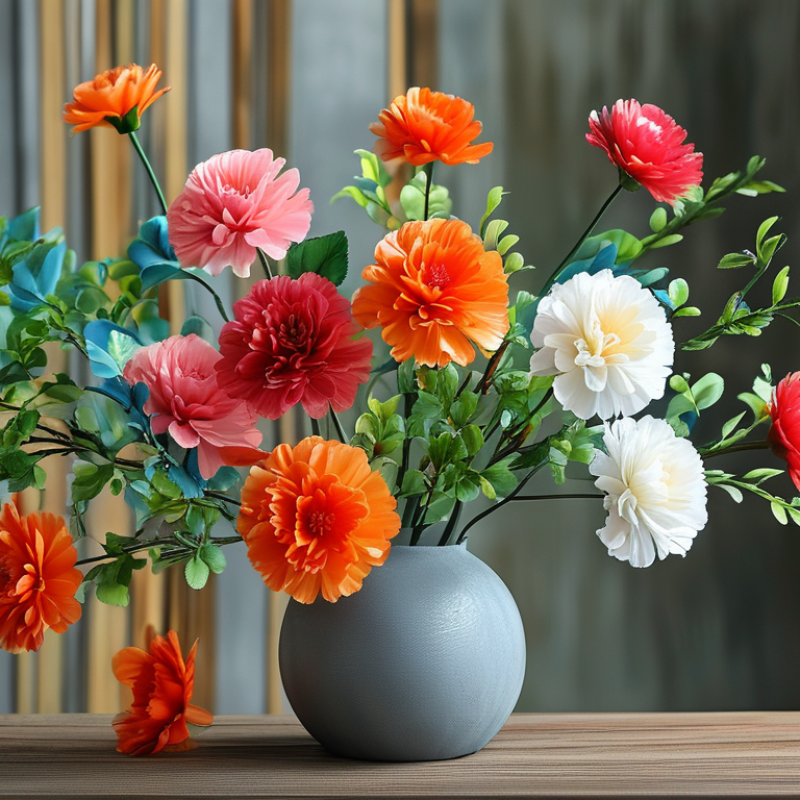
Another trend is the rise of bold, oversized designs. Large artificial floral pieces can become focal points in a room. These designs often feature vibrant colors and unique shapes. While some may feel intimidated by the boldness, it can be eye-catching and refreshing. Remember to balance large items with smaller decor to maintain harmony.
Tips: Play with scale when arranging decor. Combine different sizes of flowers for a dynamic look. Don't shy away from making mistakes; use them as a learning experience. Embrace imperfection to bring character to your space. The evolving trends in artificial floral arrangements invite creativity and personal expression into your home.
Artificial Floral Arrangements for Home Decor Trends 2026
Materials and Technologies Shaping 2026's Floral Decorations
As we move towards 2026, the world of artificial floral arrangements is evolving rapidly. Innovative materials are leading this change. Eco-friendly options are gaining traction. Biodegradable plastics and sustainable fibers are becoming popular. These materials enhance the visual appeal of faux flowers while being mindful of environmental impacts. The recipes for these materials are becoming more sophisticated, allowing for greater realism in texture and appearance.
Technology plays a crucial role in shaping floral decorations. Advanced manufacturing methods produce incredibly lifelike blossoms. 3D printing is revolutionizing how artificial flowers are crafted. This technology allows for intricate designs that were previously impossible. Moreover, smart technology is starting to enter the realm of home decor. Some companies are experimenting with sensors that trigger scents to mimic fresh flowers. This blend of technology and design raises questions about authenticity.
Despite these advancements, there are lingering challenges. Creating truly realistic arrangements remains difficult. Inconsistent quality can frustrate consumers. There are products that poorly mimic real flowers, failing to capture their essence. Additionally, the fluctuating preferences in decor styles can make following trends challenging. Consumers often seek unique pieces that reflect their personalities. This means there will always be room for improvement in material selection and design innovation.
Color Palettes and Themes for Artificial Floral Arrangements
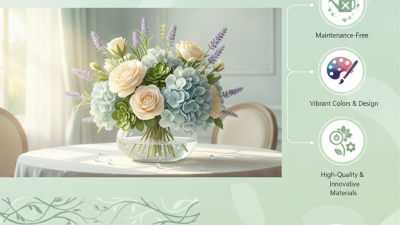
As we look forward to the home decor trends of 2026, artificial floral arrangements are poised to take center stage. Color palettes and themes will play a significant role in defining these arrangements. According to industry reports, 67% of consumers prefer softer, pastel hues for home decor, contrasting sharply with the bold colors of previous years. Shades like blush pink, soft lavender, and mint green will dominate living spaces, creating a calming atmosphere.
The themes that accompany these color palettes are equally intriguing. Natural, bohemian styles will flourish, focusing on organic shapes and textures. Reports suggest that 55% of homeowners are opting for designs that echo nature, aligning indoor aesthetics with outdoor environments. Floral arrangements made from faux succulents and greens will likely blend beautifully with these themes, adding depth without requiring constant maintenance.
Consumers are also becoming more conscious of sustainability. There's a growing desire for decor that leaves a minimal ecological footprint. This trend reflects a shift toward floral arrangements that mimic the appearance of fresh blooms but offer longevity and reduced waste. While some may argue that artificial options lack the vibrancy of real flowers, advancements in craftsmanship are closing that gap, leading to more lifelike representations. The journey of exploring and embracing these changes in floral decor invites reflection on our evolving preferences and values in home design.
Design Styles Influencing Home Decor with Artificial Flowers
Artificial floral arrangements are set to become a dominant trend in home décor by 2026. These arrangements are not just decorative; they reflect evolving design styles that resonate with modern lifestyles. People are increasingly looking for low-maintenance yet vibrant options to elevate their spaces. The simplicity of artificial flowers allows them to fit into various design aesthetics, from minimalist to eclectic.
One influential style is biophilic design, which seeks to connect inhabitants with nature. Artificial flowers can mimic natural blooms, creating a sense of tranquility without the upkeep of live plants. Another emerging trend is the maximalist approach, where bold colors and unique arrangements take center stage. This allows for an expressive display of personality in homes. The challenge lies in choosing the right flowers that complement the existing décor without overwhelming it.
The use of sustainable materials in artificial flower design is another area to watch. As environmental consciousness rises, consumers are looking for eco-friendly options. This may lead to imperfect arrangements that blend realistic details with artistic flair. Such pieces may invite dialogue about craftsmanship and sustainability. Balancing aesthetics with these values may become a central theme in home styling.
Artificial Floral Arrangements For Home Decor Trends 2026
| Trend |
Description |
Color Palette |
Design Style |
| Eco-Friendly Arrangements |
Using artificial flowers made from sustainable materials to create a natural look. |
Earthy tones, greens, and soft pastels |
Modern Minimalism |
| Vibrant Color Mix |
Bold combinations of colors to add energy and vibrancy to spaces. |
Bright yellows, pinks, and blues |
Bohemian |
| Monochromatic Bouquets |
Single-color arrangements that create a sophisticated look. |
Shades of the same color, such as varying blues |
Contemporary |
| Textured Arrangements |
Incorporating different textures like silk, paper, and wood for depth. |
Soft neutrals and mixed textures |
Industrial Chic |
| Seasonal Themes |
Changing arrangements with seasonal colors and flowers. |
Autumn oranges, winter whites, spring pinks |
Traditional |
Sustainability and Eco-Friendly Practices in Floral Design Trends
The floral design industry is shifting towards sustainability and eco-friendly practices. Reports show that consumer demand for sustainable products is growing yearly. In fact, over 70% of consumers are willing to pay more for eco-friendly options. This trend reflects a broader societal move towards environmental consciousness.
Artificial floral arrangements are no exception. More designers are using recycled materials and biodegradable elements in their creations. These arrangements last longer than real flowers, minimizing waste. A 2022 report indicated that 55% of florists have incorporated sustainable practices into their designs. However, the industry faces challenges in sourcing materials locally and ensuring ethical production.
Some might argue that artificial flowers lack the charm of fresh blooms. Yet, the versatility of these arrangements offers endless design possibilities. Innovations in technology have led to more realistic and appealing artificial flowers. Nonetheless, the industry must continuously evaluate its practices to balance aesthetics with sustainability. Approaching floral design with a focus on eco-friendliness encourages creativity while addressing environmental concerns.