Top Artificial Flowers Trends to Elevate Your Decor in 2026?
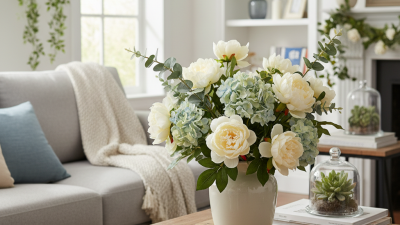
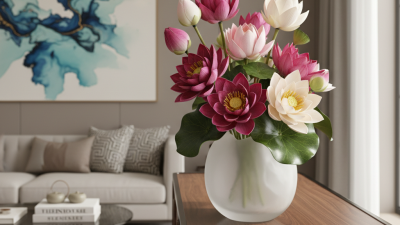
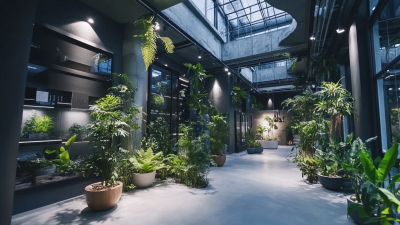
As we step into 2026, the world of interior decor is evolving rapidly. One key element in this transformation is the rise of artificial flowers. These vibrant additions bring life to any space, mimicking nature’s beauty without the upkeep. From living rooms to offices, artificial flowers create stunning focal points that captivate attention.
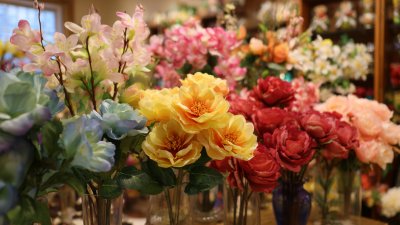
In recent years, trends have emerged that highlight the versatility of artificial flowers. They are no longer seen as mere imitations; they are now design statements. Textures and colors have become more realistic, blurring the lines between artificial and real. This creates an opportunity for creative expression. People are experimenting with bold colors and mixed arrangements to make a statement.
However, the shift towards artificial flowers also raises questions. Are we losing the essence of real plants? While practicality and aesthetics are important, there’s something genuine about living greenery. Reflecting on this is vital as we embrace new trends. Artificial flowers undoubtedly offer convenience, yet it’s essential to balance innovation with nature.
Emerging Color Palettes for Artificial Flowers in 2026
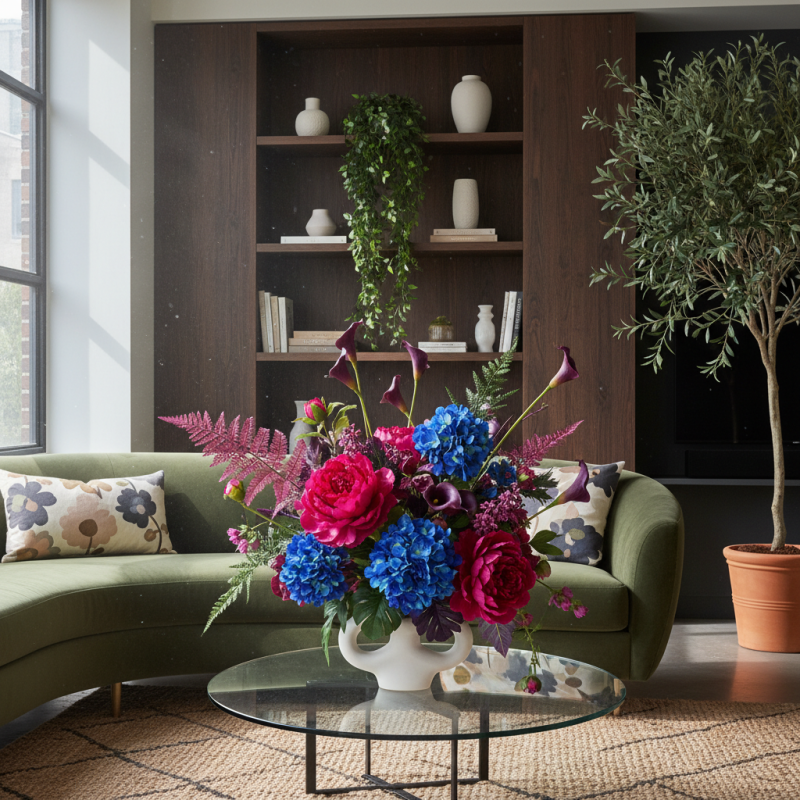
As we look ahead to 2026, the trends in artificial flowers are shifting towards more vibrant and unconventional color palettes. According to a recent industry report by the Floral Design Association, the demand for bold hues has surged by 45% this year. People are moving away from traditional pastels. They are now drawn to striking combinations like deep violets and electric blues. Nature-inspired colors remain popular, but with a modern twist.
In contrast, earthy tones still hold a significant place, yet they are evolving. Muted greens and browns are infused with unexpected pops of color. A survey revealed that 62% of consumers prefer unique arrangements that blend classic and contemporary styles. Moreover, textures are becoming just as essential as colors. Varied petal shapes and finishes add depth to artificial arrangements. The industry data suggests that incorporating contrasting textures can increase engagement in home decor.
Yet, challenges exist. Some designers still cling to outdated color schemes. This hesitation can stifle creativity. As tastes evolve, adaptability is crucial. Embracing bold palettes and innovative designs can create more visually appealing spaces. Experimenting with color combinations that may seem offbeat could yield surprisingly satisfying results. Ultimately, the journey of exploring new trends requires an open mind and a willingness to take risks.
Innovative Textures and Materials in Artificial Flower Design
The world of artificial flowers is evolving rapidly. In 2026, innovative textures and materials will redefine floral decor. Designers are experimenting with unique fabrics that mimic the delicate feel of real petals. Silicone, for instance, allows for intricate detailing. These flowers look almost lifelike, creating an enchanting display.
Moreover, recycled materials are becoming popular. They're eco-friendly and add character. Imagine a floral arrangement made from repurposed plastics. It sounds unconventional but can be striking. Yet, there are challenges. Not all recycled materials hold up well. Some might lose their charm over time.
New color palettes are also emerging. Muted hues paired with vibrant accents are a trend. This balance creates a dynamic visual experience. However, it requires a skilled eye to make it work. Too much contrast may disrupt harmony. Finding the right balance can be tricky but rewarding. The journey of decorating with artificial flowers is filled with exploration and learning.
Top Artificial Flowers Trends to Elevate Your Decor in 2026
Sustainable Practices in the Production of Artificial Flowers
Sustainable practices in the production of artificial flowers are gaining momentum. The global market for artificial flowers is projected to grow at a compound annual growth rate of 6% between 2021 and 2026. This growth reflects a rising consumer demand for eco-friendly options in décor. Many manufacturers are now adopting techniques that minimize environmental impact.
However, challenges remain. Common materials used in artificial flowers, such as polyvinyl chloride (PVC), are not biodegradable. According to industry reports, about 80% of the current production utilizes petroleum-based plastics. This is concerning, as these materials contribute to pollution and waste. Some companies are exploring alternatives like recycled plastics and biodegradable materials. However, the transition is not swift enough.
Recyclability of products is another key focus. Research indicates that only 10% of artificial flowers are currently recyclable. There is a disconnect between desire for sustainability and the methods used to create these decorative pieces. Consumers are becoming more aware of this issue. They demand transparency about the materials used. As the industry shifts towards sustainable solutions, it may take time to reflect consumer values fully. Progress is essential for improving the environmental footprint of artificial flowers.
The Influence of Seasonal Trends on Artificial Flower Arrangements
Seasonal trends greatly influence artificial flower arrangements. Each season brings unique colors and themes. In spring, soft pastels and vibrant blooms capture the essence of renewal. Imagine delicate pinks and yellows, blending seamlessly. These hues bring warmth to interiors.
Summer shifts the focus to bright and bold arrangements. Think fiery reds, vibrant oranges, and deep blues. Such colors invite energy into any space. They evoke feelings of warmth and joy, perfect for lively gatherings. The challenge here lies in finding balance. Sometimes, too many bright colors can overwhelm, losing charm.
Autumn introduces earthy tones and muted hues. Rich browns, deep greens, and rusty reds resemble nature’s change. These colors create a cozy ambiance, ideal for relaxation. However, achieving this aesthetic may require more thought. In winter, whites and frosty blues dominate, reflecting tranquility. Still, combining various textures can be tricky. Artificial flowers offer endless possibilities yet demand careful consideration.
Integrating Technology with Artificial Floral Displays for Modern Decor
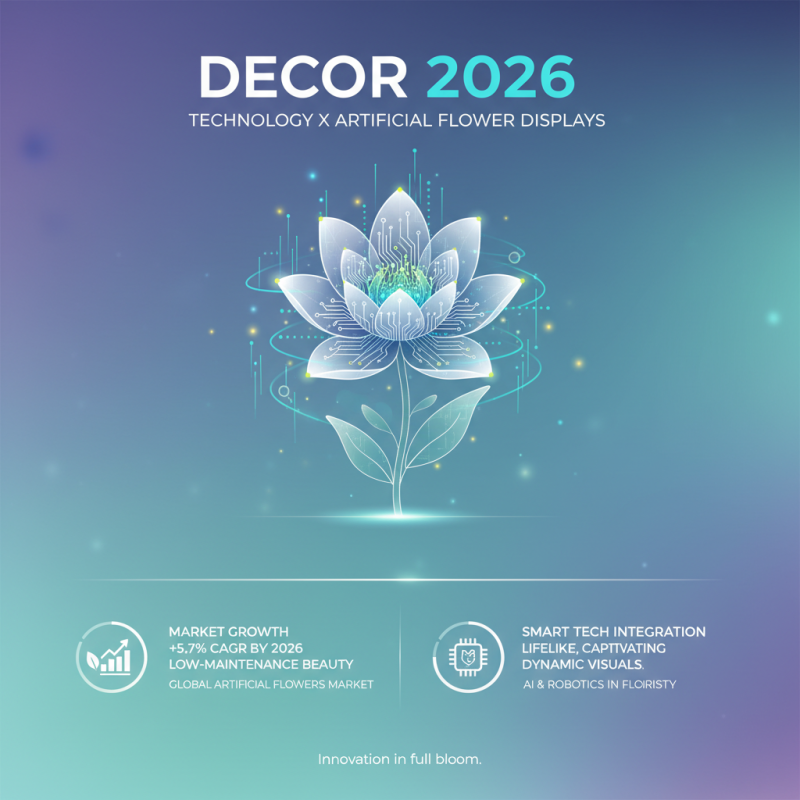
As we step into 2026, integrating technology with artificial floral displays is a game-changer for modern decor. Research indicates that the global artificial flowers market is projected to grow at a CAGR of 5.7% by 2026. This rise reflects a growing demand for visually appealing, low-maintenance decor options. Smart technology is now playing a crucial role, creating lifelike floral arrangements that capture attention with their beauty.
Using sensors and smart LED technology, artificial flowers can mimic the natural movement of petals in the wind. This innovation brings a fresh dynamics to interior spaces. Adding a touch of aroma with scent dispersers can further enhance the experience, engaging multiple senses. Furthermore, digitally connected flowers can change colors based on the time of day. Studies show that 73% of consumers appreciate aesthetics that adapt to their mood, indicating a profound shift in consumer preferences.
**Tips**: Consider mixing different styles. Pair high-tech artificial arrangements with classic pieces for contrast. Regular cleaning is essential, even for artificial blooms, to maintain their allure. Also, rethink how you position these displays—experiment with unconventional spaces like hallways or lofts. Implementing technology in this way fosters an inviting atmosphere and encourages interaction.