Top Benefits of Using Artificial Green Plants for Outside Spaces?
Creating vibrant outside spaces can be challenging. Natural plants require care, sunlight, and water. However, there's a compelling alternative: artificial green plants for outside use. These plants offer a unique blend of beauty and practicality, transforming any space without the fuss of maintenance.
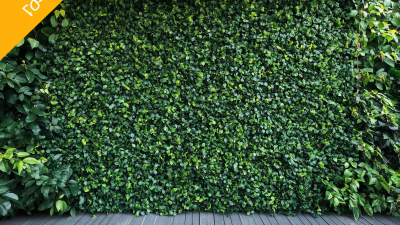
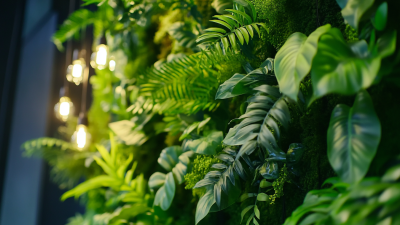
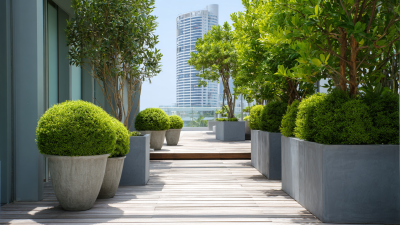
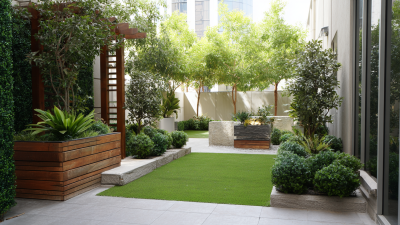
Artificial green plants for outside environments enhance aesthetics effortlessly. They bring life to patios, balconies, and gardens, adding color and texture without the worry of wilting. Furthermore, these plants are durable and weather-resistant, making them a practical choice for outdoor settings. Gardeners and designers appreciate their versatility, as they can fit a variety of styles and themes.
While the benefits are clear, it’s essential to reflect on potential downsides. Some may question the authenticity of artificial greenery. Others may miss the fragrances that real plants provide. Despite this, artificial options continue to gain popularity, blending innovation with convenience in today’s outdoor designs.
Benefits of Artificial Green Plants for Outdoor Decoration
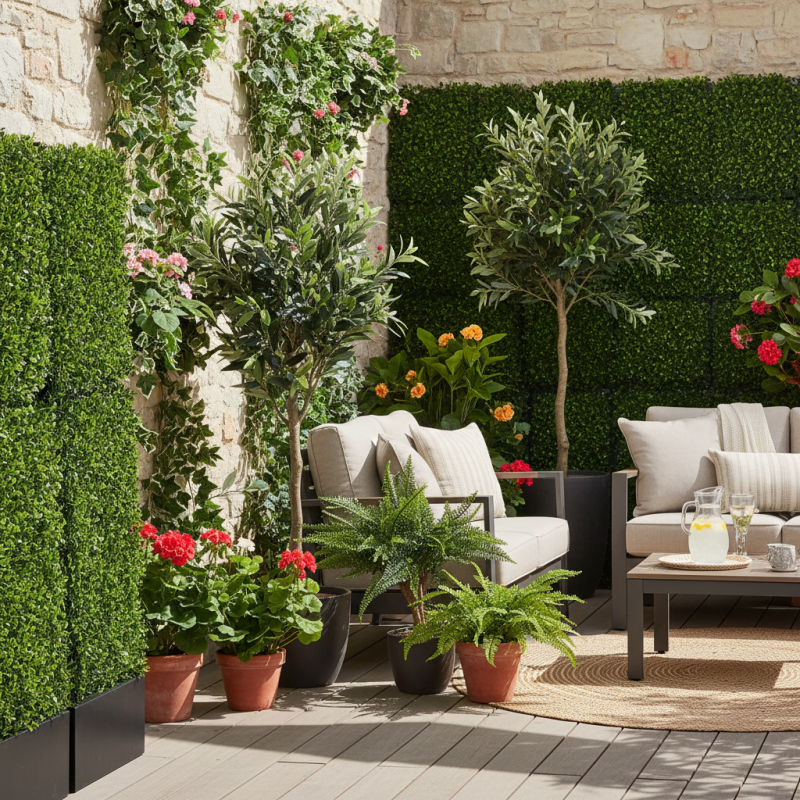
Artificial green plants offer various benefits for outdoor decoration. They provide a vibrant touch to any space without the need for constant maintenance. Unlike real plants, they remain lush and attractive year-round. This quality makes them appealing for busy individuals or those who travel frequently. No watering is required, which eliminates worries about drought.
Furthermore, artificial plants are often more durable. They withstand harsh weather conditions, such as heavy rain or intense sunlight, without fading or wilting. Their realistic design can easily trick the eye, enhancing the aesthetic of gardens or patios. However, they may lack the natural fragrance that authentic plants provide. This could be a downside for those who cherish natural scents in their outdoor spaces.
In addition, artificial plants can be placed in areas where real plants struggle to thrive. They are perfect for shaded spots or places with poor soil conditions. This versatility allows homeowners to design their outdoor environments creatively. Yet, using too many artificial items can create a less authentic atmosphere. Finding the right balance is crucial for effective outdoor decoration.
Top Benefits of Using Artificial Green Plants for Outside Spaces
Durability and Low Maintenance of Artificial Green Plants
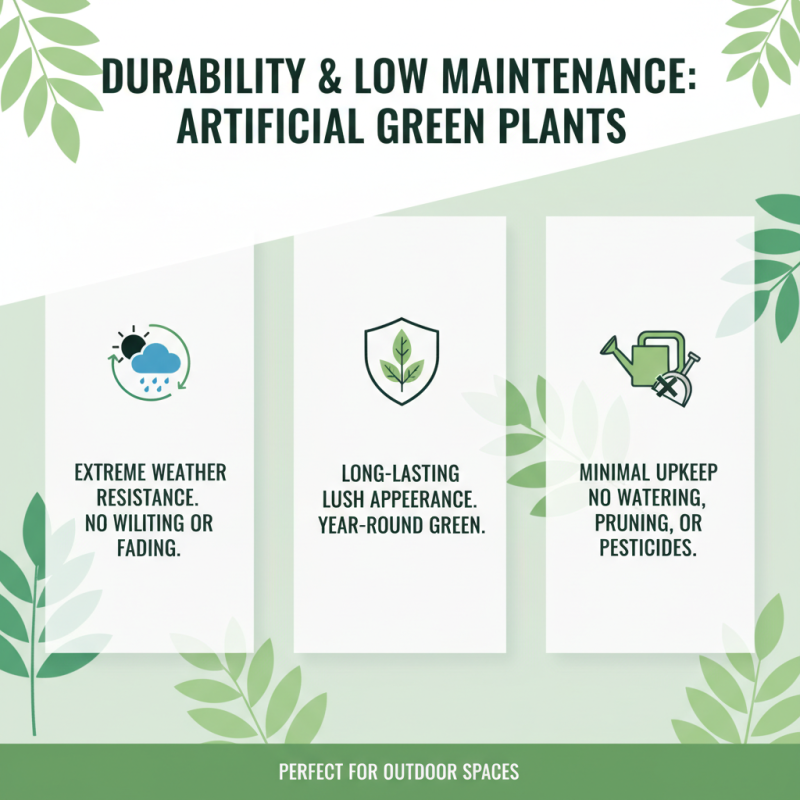
Artificial green plants are an excellent choice for outside spaces. They offer remarkable durability that real plants often cannot match. Extreme weather conditions, such as intense heat or heavy rain, do not affect their appearance. Over the years, they maintain their lush look without wilting or fading. This quality ensures your outdoor area remains vibrant and inviting, regardless of the season.
Maintenance is another significant advantage. Artificial plants do not require watering, fertilizing, or specialized care. A simple wipe with a damp cloth can keep them looking fresh. This low-maintenance quality makes them ideal for busy individuals or families. You can enjoy greenery without the constant demands of real plant care.
**Tip:** Periodically check for dirt and debris. A quick clean can enhance their appearance.
**Tip:** Consider using UV-protected artificial plants for sunny areas. This ensures they don’t lose their color over time.
While artificial plants are practical, they may lack the organic texture and scent of real plants. Finding a balance between using artificial and natural elements can create a more nuanced outdoor atmosphere.
Environmental Impact of Using Artificial Green Plants
The use of artificial green plants in outdoor spaces
offers significant environmental benefits. Unlike live plants, they do not require water or fertilizers, which can reduce water waste. This is particularly important in regions facing drought or water restrictions. Artificial plants also eliminate the need for pesticides, which can contaminate local ecosystems.
Artificial greenery can enhance biodiversity. By creating vibrant outdoor environments, they can attract pollinators and other wildlife, even when real plants are not present. These plants are often made from recyclable materials, contributing to a circular economy. However, the long-term impact of their disposal must be considered.
Tips: For sustainable use, select artificial plants crafted from durable, eco-friendly materials. Regular maintenance, such as cleaning, can extend their lifespan and keep outdoor spaces looking fresh. Consider mixing real plants with artificial options for a balanced approach to greenery. This can create a more organic feel while benefiting from the low maintenance aspect of artificial plants.
Versatility in Design and Placement of Artificial Green Plants
Artificial green plants have gained popularity for their versatility in design and placement, particularly in outdoor spaces. They can seamlessly blend into any decor style, from modern minimalism to traditional charm. According to the National Outdoor Furniture Association, 60% of designers prefer using artificial plants due to their flexibility. This makes it easy to create inviting atmospheres in gardens, patios, and commercial spaces.
These plants are not only aesthetically pleasing but also low maintenance. Unlike real plants, they do not require watering, pruning, or sunlight. A study by the American Society of Landscape Architects found that 70% of landscape designers noted a significant time-saving benefit when using artificial greenery. Outdoor areas can be adorned with vibrant colors and textures without worrying about seasonal changes or weather conditions.
While artificial plants offer many benefits, it’s essential to select quality products. Some materials may degrade under sunlight or fade over time. Consumers need to be cautious about longevity. Designers often emphasize the importance of realistic detailing to enhance visual appeal. Reflecting on these characteristics can help elevate outdoor spaces, creating a balance between beauty and practicality.
Top Benefits of Using Artificial Green Plants for Outside Spaces
| Benefit |
Description |
Ideal Locations |
Maintenance Level |
| Low Maintenance |
Artificial green plants require little to no watering, trimming, or special care. |
Patios, balconies, public gardens |
Very Low |
| Year-Round Use |
Maintain aesthetic appeal regardless of the season or weather conditions. |
Commercial properties, outdoor events |
Low |
| Variety in Design |
Available in many styles, colors, and types to suit diverse preferences. |
Backyards, wedding venues |
Low |
| Allergy Friendly |
No pollen or other allergens that could affect sensitive individuals. |
Public spaces, apartments |
Very Low |
| Cost-Effective |
Less expensive in the long run, as they do not require regular plant care or replacement. |
Commercial centers, hotels |
Low |
Cost-Effectiveness of Artificial Green Plants for Landscaping
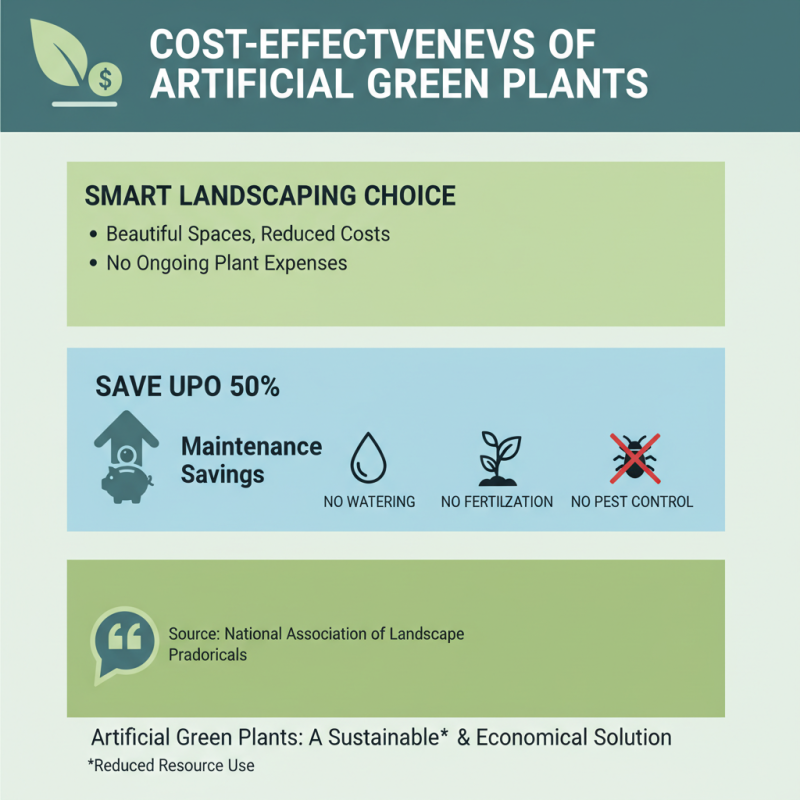
Artificial green plants are becoming an attractive choice for outdoor landscaping. They offer a cost-effective solution for creating beautiful spaces without the ongoing expenses associated with natural plants. According to a report by the National Association of Landscape Professionals, homeowners can save up to 50% on maintenance costs when using artificial options. This includes savings on watering, fertilizing, and pest control.
The initial investment for artificial plants may seem higher, but the long-term savings are undeniable. For instance, artificial plants can last for over a decade with minimal care. Landscapers often report that artificial installations yield warmth and vibrancy. The weather-resistant materials used counteract fading and wear, which is crucial for outdoor environments.
Incorporating faux greenery also cuts labor costs. This is especially significant in large-scale projects like parks and commercial spaces. While some might miss the authenticity of real plants, the benefits of low-maintenance and durability are compelling. It forces us to reevaluate traditional landscaping practices and consider more sustainable options.