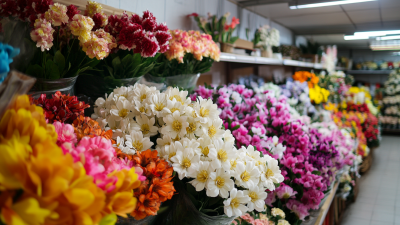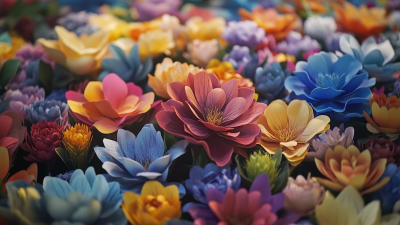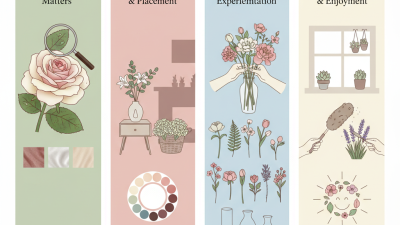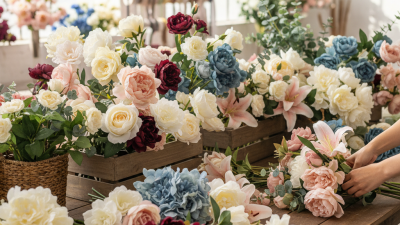
Global buyers are paying closer attention to quality, consistency, and responsible sourcing. Choosing the right Fake Flowers In Bulk supplier now involves more than comparing catalog prices. Buyers must examine petal texture, stem strength, color stability, packaging, production capacity, and delivery performance.
Floral designer and educator Holly Chapple often emphasizes, “The details are what make a design feel real.” That idea matters when evaluating artificial roses, silk hydrangeas, preserved-looking eucalyptus, and seasonal arrangements. A glossy petal may appear attractive online, yet look plastic under showroom lighting. Small details matter.
This guide reviews seven suppliers serving international buyers. It considers product range, customization, wholesale flexibility, sample policies, and communication standards. It also looks at practical concerns, such as carton protection and color matching between repeat orders. These points can prevent expensive surprises.
Not every supplier will suit every project. A wedding decorator may need realistic stems and fast samples. A hotel buyer may prioritize stable colors and long-term availability. Retailers may focus on packaging, minimum order quantities, and private labeling.
Some supplier claims still deserve careful checking. Photos can hide uneven edges. “Premium” can mean different things. Buyers should request samples, confirm specifications, and test products in their intended setting.
The recommendations ahead are designed for informed decisions, not blind purchasing. Quality may cost more. Poor quality usually costs more later.
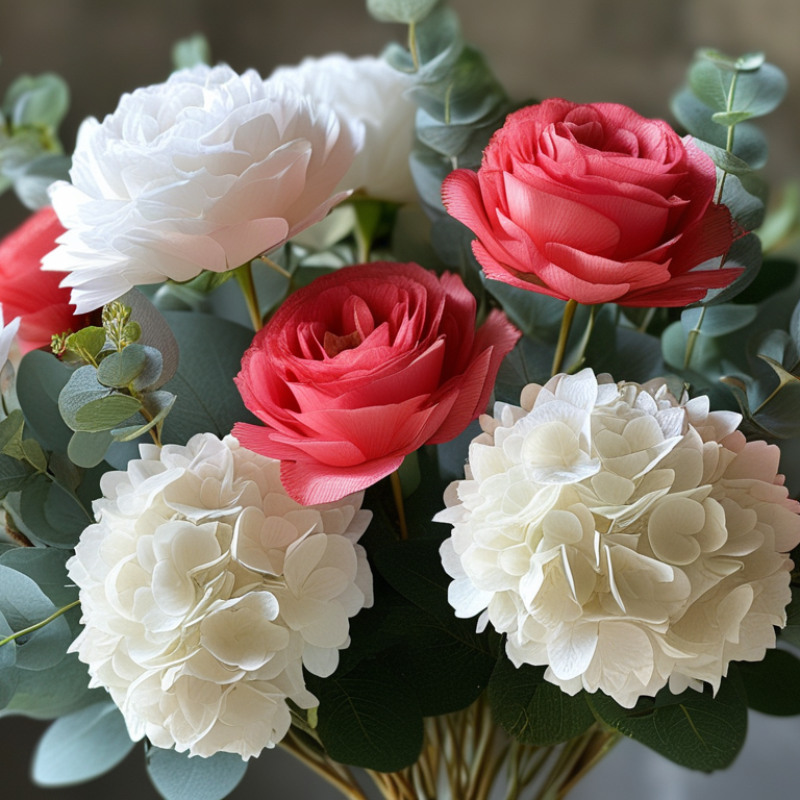
Bulk artificial flower suppliers do more than sell decorative stems.
They connect factories, importers, event planners, and retail buyers across markets. Grand View Research estimated the global artificial flowers market at about USD 1.93 billion in 2023. Its report projects continued growth through 2030, supported by durable décor and lower maintenance needs. This demand makes supplier reliability a commercial advantage, not a minor detail.
In practice, strong suppliers coordinate material selection, color consistency, packing, customization, and export documentation. Global buyers should review sample accuracy, carton strength, lead times, and replacement policies.
A supplier may offer thousands of designs, yet poor batch control can create visible differences between shipments. That weakness is easy to overlook. It should not be. The International Trade Centre’s trade data also helps buyers compare product flows and identify active sourcing markets under relevant HS classifications.
Tips: Request samples from different production batches. Check petal texture under natural light. Measure stem length and carton volume. Ask for written quality standards, not only photographs. A simple inspection checklist can prevent expensive surprises.
Pricing also needs careful interpretation. Low unit costs may hide higher freight, breakage, or repacking expenses. Buyers should compare landed cost instead of factory price alone. Grand View Research identifies commercial spaces, hospitality, and residential décor as important demand areas. Therefore, suppliers serving global buyers need flexible volumes and dependable replenishment. My own assessment is imperfect: market forecasts cannot predict every seasonal trend, but they provide a useful planning baseline.
For global buyers, a reliable fake flower supplier must prove more than attractive catalogue photos. Request recent factory videos, material specifications, and batch-level quality records. The International Organization for Standardization reports over one million ISO 9001 certificates worldwide, but certification alone does not guarantee consistent flowers. Verify the certificate scope and issuing body.
Logistics evidence matters. UNCTAD’s Review of Maritime Transport reports that more than 80% of global merchandise trade by volume moves by sea. Therefore, ask suppliers for carton dimensions, loading plans, export experience, and documented delivery performance. A supplier should explain how petals are protected from crushing, humidity, and color transfer. Small details matter. Request pre-production samples, then compare ten pieces from one carton. Look for uneven stems, loose leaves, strong chemical odors, and inconsistent shades.
Pricing requires careful judgment. A low unit price may hide weaker wire, thinner fabric, or excessive packaging waste. Compare landed cost, not just product cost. The World Bank’s Logistics Performance Index shows meaningful differences in customs efficiency and shipment reliability across markets. Ask for a clear commercial invoice, packing list, product codes, and realistic lead times. I have found that written answers reveal operational maturity. Still, supplier claims can be incomplete. One missed inspection taught me that trust should never replace evidence. For the seven potential suppliers, score sample quality, response speed, documentation, payment protection, and after-sales handling. Keep the scoring sheet; memory is unreliable.
For global buyers, comparing seven leading fake flower suppliers requires more than checking catalogue photos. Supplier One offers the widest color range, including dusty rose, ivory, and muted green. Supplier Two focuses on realistic silk petals and flexible stems. Its samples looked convincing under daylight but slightly shiny under retail lighting. Supplier Three provides the lowest bulk pricing, although its first sample showed uneven leaf spacing. That detail matters when arranging large wedding backdrops.
Supplier Four performs well on customization. Buyers can request stem lengths, packaging quantities, and mixed-color cartons. Supplier Five has stronger quality control, with clearer grading standards and better carton protection. Supplier Six ships quickly from regional warehouses, but its seasonal inventory changes often. Supplier Seven offers recycled packaging and smaller trial orders. However, its premium pricing may reduce margins for discount retailers. None of these suppliers is perfect.
During supplier reviews, I check petal attachment, wire strength, odor, color consistency, and carton compression. I also compare ten pieces from the same batch, not one attractive sample. Ask for production photos and a written tolerance range. A supplier may promise “high quality” without defining it. Confirm shipping terms, replacement procedures, payment records, and import documents before placing a large order. Some colors photograph differently than they appear in person. That mistake is easy to make. A small trial shipment remains the most reliable test, especially when buyers serve several climates and retail channels.
7 Best Fake Flowers In Bulk Suppliers For Global Buyers
Ordering artificial flowers in bulk requires more than comparing unit prices. Experienced buyers request samples before discussing large quantities. Check petal color, stem flexibility, glue marks, odor, and carton strength. A sample may look excellent, but production can differ. Confirm the minimum order quantity, lead time, payment schedule, and replacement policy in writing. My early orders ignored carton measurements, causing unexpected storage problems.
Customization can include flower size, color matching, stem length, labels, wrapping, and display boxes. Send a clear reference image and a measured color sample. Digital color approval is useful, but it is not perfect. Ask for a pre-production sample when the order is highly customized. Confirm whether custom packaging increases the minimum quantity or extends production time. Keep approved specifications with the purchase contract and inspection checklist.
Shipping decisions affect the real landed cost. Compare sea, air, and consolidated freight using the same delivery terms. Ask for carton dimensions, gross weight, packing lists, commercial invoices, and origin documents. Import duties and product classification vary by destination, so verify requirements with local customs authorities or a licensed broker. Artificial flowers may contain plastic, wire, fabric, or wood components. Each material can affect documentation or inspection. A low quote once seemed attractive, but delayed clearance erased the savings. Allow buffer time for factory delays, port congestion, and document corrections. Samples arrived quickly. Bulk cargo did not.
This planning benchmark shows the approximate number of calendar days commonly required for sampling, customization, production, ocean freight, and customs clearance. Actual timing varies by order volume, product complexity, destination, shipping route, and import documentation.
7 Best Fake Flowers In Bulk Suppliers For Global Buyers
Quality Control, Pricing, and Supplier Verification Tips
Choosing among seven bulk artificial flower suppliers requires more than comparing catalog photos. Request physical samples in identical colors and sizes. Check petal edges, stem strength, glue marks, odor, and color consistency under daylight. Bend each stem several times. It should recover without cracking. Ask for packaging photos after a drop test. Small details often reveal weak production control.
Pricing should include more than the unit quote. Calculate sample fees, cartons, inserts, shipping, duties, and possible rework. A low price can hide thin fabric or excessive packaging waste. Request a written quotation with minimum order quantities and production timelines. Compare landed costs, not factory prices. Leave room for currency changes. I once approved a cheaper sample that shed fibers after brushing, so the first price was misleading.
Supplier verification needs practical evidence. Ask for a registered business address, recent production photos, inspection records, and two buyer references. Use a pre-shipment inspection for large orders. Confirm that the inspected cartons match the approved sample. Review material descriptions carefully, especially for plastic, fabric, wire, and recycled content. Claims without documents deserve caution. A video call can help, but it is not proof alone. Keep a written defect allowance and replacement process before paying a deposit.
| Supplier Profile | Best-Fit Product Range | Typical MOQ | Indicative FOB Price | Sample & Production Lead Time | Recommended Quality-Control Checkpoints | Supplier Verification Evidence | Global-Buyer Suitability |
|---|---|---|---|---|---|---|---|
|
1. High-Volume Synthetic Stem Supplier
Cost efficiency
Retail programs
|
Polyester or polyethylene stems, standard roses, tulips, lilies, eucalyptus, and seasonal foliage. | 500–2,000 pieces per style or color; mixed cartons may be available after approval. |
US$0.25–1.80 per stem Varies by size, finish, wire structure, and packaging. |
Samples: 7–15 days Bulk production: 25–45 days after approved sample and deposit. |
✓ Color consistency across lots ✓ Stem-wire strength and bend recovery ✓ Petal attachment and shedding test ✓ Carton drop and moisture protection |
Business license, factory or production-site video, recent export references, material declarations, approved pre-production sample, and third-party pre-shipment inspection. | Suitable for chain stores, event decorators, wholesalers, and buyers requiring repeatable volume pricing. |
|
2. Premium Real-Touch Flower Supplier
High realism
Interior design
|
Soft-touch latex or silicone-coated flowers, realistic leaves, lifelike roses, peonies, hydrangeas, and orchids. | 100–500 pieces per design; custom colors commonly require a higher minimum. |
US$1.50–8.00 per stem Premium coatings, large heads, and hand finishing increase cost. |
Samples: 10–20 days Bulk production: 30–60 days depending on hand-finishing requirements. |
✓ Surface texture and touch consistency ✓ Odor screening after unpacking ✓ UV and color-fade test when outdoor use is claimed ✓ Adhesion and deformation testing |
Coating and material specifications, laboratory test reports where applicable, clear product photographs from multiple angles, sample approval record, and inspection report linked to the purchase order. | Best for hospitality, home décor, wedding studios, premium retail, and visual-merchandising projects. |
|
3. Custom-Color and Private-Label Supplier
Customization
Seasonal collections
|
Custom flower colors, branded sleeves, hangtags, assortment packs, exclusive shapes, and coordinated foliage. | 300–1,000 pieces per custom SKU; packaging minimums may apply separately. |
US$0.60–5.50 per unit Add tooling, color-development, artwork, and packaging costs where applicable. |
Color sample: 10–25 days Bulk production: 35–70 days after artwork and sample sign-off. |
✓ Pantone or approved color-chip matching ✓ Artwork and barcode verification ✓ SKU, carton, and assortment accuracy ✓ Golden-sample comparison before shipment |
Signed specification sheet, ownership of artwork confirmation, sample-to-production approval, documented change-control process, and verified company payment account. | Appropriate for e-commerce launches, department-store programs, seasonal campaigns, and differentiated collections. |
|
4. Event and Wedding Arrangement Supplier
Fast assortment
Ready-made décor
|
Pre-arranged bouquets, centerpieces, arches, garlands, boutonnières, table arrangements, and mixed flower bundles. | 50–200 arrangements per design; individual stems may have lower minimums. |
US$4.00–35.00 per arrangement Packaging volume and assembly complexity strongly affect the landed cost. |
Samples: 7–14 days Bulk production: 20–45 days; urgent orders require written capacity confirmation. |
✓ Arrangement dimensions and fullness ✓ Stem placement and balance ✓ Secure wrapping and transit protection ✓ Count accuracy by carton and colorway |
Current production capacity, approved arrangement measurements, packing photographs, carton test results, event-date production schedule, and documented replacement policy for damaged goods. | Strong choice for planners and rental companies that need coordinated sets rather than loose flowers. |
|
5. Sustainable-Material Artificial Flower Supplier
Material transparency
ESG-focused buyers
|
Recycled polyester fabrics, paper-based components, recycled plastics, and reduced-packaging flower collections. | 500–2,000 pieces per style; recycled-material programs may require larger production runs. |
US$0.80–6.00 per unit Verified recycled inputs and special packaging can increase the unit price. |
Samples: 10–20 days Bulk production: 30–60 days, subject to material availability. |
✓ Material composition verification ✓ Recycled-content documentation ✓ Packaging-material review ✓ Restricted-substance screening when required by destination market |
Material certificates, chain-of-custody documents where relevant, supplier sustainability policy, test reports, packaging declaration, and an audit trail for environmental claims. | Suitable for retailers and distributors with documented sustainability requirements; claims should be independently verified. |
|
6. E-Commerce Assortment and Small-Batch Supplier
Lower MOQ
Online sellers
|
Mixed flower bundles, compact arrangements, single stems, gift-ready packs, and photography-friendly assortments. | 50–300 pieces per SKU; mixed-style cartons may be offered subject to availability. |
US$1.00–12.00 per retail-ready unit Includes product-level packaging but not freight, duties, or marketplace fees. |
Samples: 5–12 days Bulk production: 15–35 days for stocked or semi-custom items. |
✓ Product photography versus actual goods ✓ Barcode, labeling, and insert accuracy ✓ Parcel-level packaging test ✓ Dimensional-weight review for shipping cost |
Verifiable warehouse address, stock photographs with date reference, sample order through the normal sales channel, return procedure, and traceable commercial invoice. | Well suited to testing new designs, direct-to-consumer shops, subscription boxes, and smaller import programs. |
|
7. Large-Scale Commercial Project Supplier
Project supply
Consistent batches
|
Large quantities of standardized flowers, greenery panels, floral walls, venue décor, retail displays, and installation components. | 1,000–10,000 pieces per project; quantities depend on specification and delivery schedule. |
US$0.35–18.00 per unit Project pricing should be calculated from an approved bill of materials and packing plan. |
Samples or prototypes: 15–30 days Bulk production: 45–90 days; phased shipment may be negotiated. |
✓ Approved bill-of-materials audit ✓ Batch-to-batch color and size checks ✓ Container-loading and carton-mark verification ✓ Independent final inspection using AQL sampling |
Factory capacity evidence, production schedule, export documentation samples, financial and payment verification, insurance details, contract terms, and references for comparable projects. | Recommended for hotels, shopping centers, wholesalers, exhibition contractors, and multi-location installations. |