2026 Best Exterior Artificial Plants for Your Home and Garden Spaces?
In the world of home and garden aesthetics, Exterior Artificial Plants have become a game-changer. Renowned horticulturist Dr. Lucy Green emphasizes their value: "Exterior Artificial Plants can transform any space without the maintenance burden." This statement resonates with homeowners seeking vibrant, low-maintenance solutions.
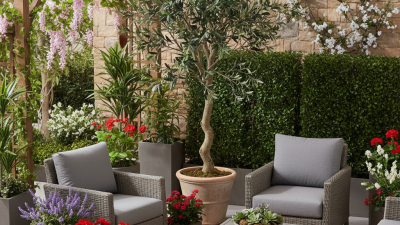
The charm of Exterior Artificial Plants lies in their versatility. They can enhance patios, balconies, and garden paths effortlessly. For instance, imagine bright faux geraniums adorning your front porch. These designs create a welcoming atmosphere and offer durability against the elements. There’s no need for watering or pruning, making them ideal for busy lifestyles.
However, some people question the authenticity of these plants. Will they really blend in with natural foliage? The truth is, not all artificial plants are created equal. Investing in high-quality pieces is essential. As technology advances, the gap between real and faux continues to narrow, but flaws can still surface. Choosing wisely can ensure your space looks inviting and authentic.
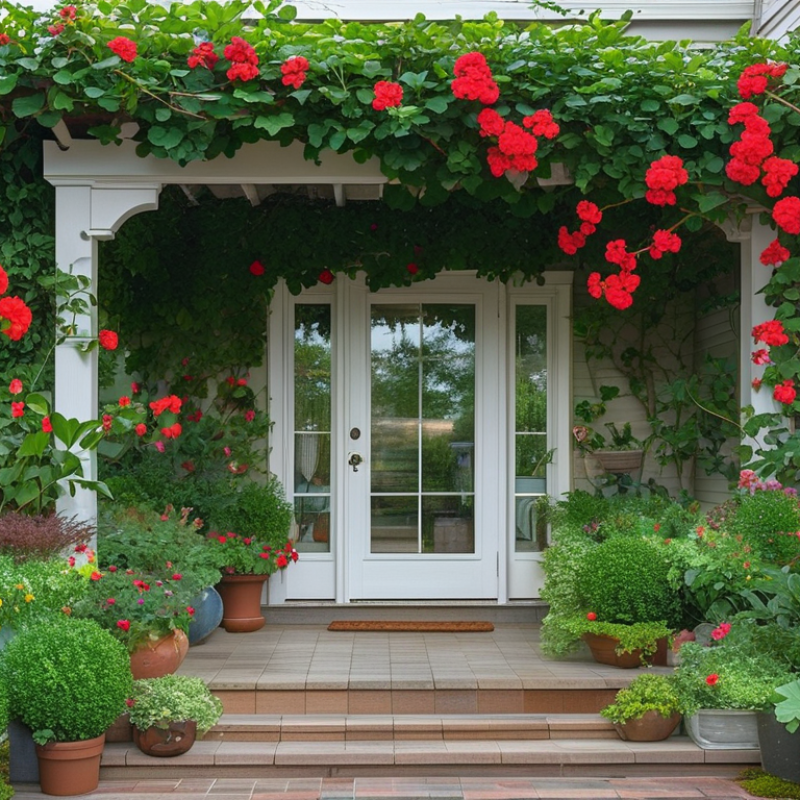
Understanding the Benefits of Artificial Plants for Outdoor Spaces
Artificial plants are increasingly popular for outdoor spaces. They are low maintenance and durable, making them ideal for busy homeowners. With weather fluctuations and sunlight exposure, real plants may struggle to thrive. This is where artificial options shine. They retain their vibrant colors and shapes season after season.
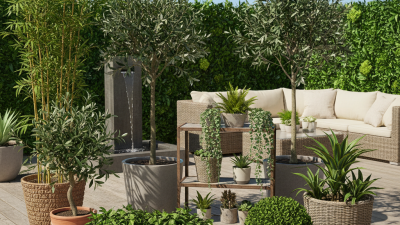
One tip for choosing the best exterior artificial plants is to consider the materials. Look for UV-resistant options that prevent fading. Another suggestion is to mix different sizes and types of plants. Arrange larger plants as a backdrop and add smaller ones in front. This creates depth and a more natural look.
Remember that not all artificial plants are created equal. Some may look realistic, while others may appear cheap. Investing in high-quality options can make a significant difference. It’s crucial to examine textures and details. Realistic leaves and stems can help enhance the overall aesthetic of your outdoor areas. Take your time and choose wisely.
Top Trends in Exterior Artificial Plants for 2026
The trend for exterior artificial plants in 2026 emphasizes sustainability and realism. According to recent market research, the artificial plant industry is expected to grow by 5% annually. The focus is on materials that mimic nature closely, enhancing outdoor aesthetics without the maintenance hassle.
One emerging trend involves eco-friendly options. Many consumers now prefer artificial plants made from recycled materials. These options reduce environmental impact. In 2026, expect to see more brands committed to sustainable production. Options that look genuinely lifelike and retain color over time are becoming increasingly popular.
Tips: When choosing artificial plants, examine their UV resistance. Consider the weight and durability, especially if your space is exposed to the elements. Mixing different types of plants can create a vibrant and natural look. Another important aspect is how well they blend with existing decor. It can be a sign of quality when the synthetic plants seem to fit naturally into the surroundings. Don’t overlook how shadows and light play on the textures. Thoughtful placement can make the artificial plants appear almost real.
Key Features to Look for in Quality Artificial Plants
When selecting high-quality artificial plants for your home and garden, consider their realism. Look for intricate details like textures and veins on leaves. Colors should mimic natural plants, avoiding overly bright or uniform shades. A realistic appearance adds depth to your space.
Durability is another crucial factor. Your chosen plants should withstand the elements, especially if placed outdoors. Check if they are UV resistant to prevent fading from sunlight. The materials used should also be weatherproof, ensuring longevity in different environments.
Lastly, pay attention to maintenance. Quality artificial plants require minimal care, saving you time. However, dust can accumulate over time. Regularly cleaning them prevents an artificial look. Consider how the plant fits into your overall aesthetic. A good fit enhances your interior or exterior, creating a harmonious atmosphere.
Choosing artificial plants thoughtfully results in a vibrant, lasting display.
Best Types of Materials for Durable Outdoor Artificial Plants
When selecting durable outdoor artificial plants, the material plays a crucial role. Many homeowners prefer materials that resist fading and damage from UV rays. Polyester and polyethylene have become popular choices. These synthetic fibers are known for their resilience and ability to withstand harsh weather conditions. They hold their color well over time, even in direct sunlight.
Another option is PVC, which is often used for leaves and stems. PVC is lightweight and easy to maintain, making it ideal for various garden settings. It can mimic the appearance of real plants, adding a natural touch to your outdoor space. However, not all PVC products are created equal. Some may wear out faster than expected, especially in extreme climates.
Additionally, high-quality artificial plants often have a wireframe structure. This provides stability and allows for flexibility in arranging the plants. When evaluating options, look for products with reinforced seams and fade-resistant coatings. Remember, even the best materials may show wear over time. Regular maintenance, such as cleaning and repositioning, can help prolong their lifespan and keep them looking fresh.
2026 Best Exterior Artificial Plants for Your Home and Garden Spaces
Maintaining and Caring for Your Artificial Plants in Garden Spaces
Caring for artificial plants can extend their lifespan significantly. Research shows that with proper maintenance, these plants can last over a decade. Regular dusting and cleaning help maintain their appearance. Use a soft cloth or a gentle brush to remove dirt. For deeper cleaning, a mild soap solution is effective.
Tips: Always check for UV protection when placing outdoors. Exposure to direct sunlight can degrade the colors. Rotate your plants occasionally to ensure even wear. Some plants may accumulate moisture, which can lead to mold.
Artificial plants do require some attention. It's important to store them properly during harsh weather. If leaves peel or lose color, consider using fabric spray to revive them. Outdoor environments can be challenging. Dust and dirt can obscure lifelike features, making regular maintenance crucial. Remember, perfection is not always attainable. Embrace the natural wear and tear.
2026 Best Exterior Artificial Plants for Your Home and Garden Spaces
| Plant Type |
Height |
Material |
UV Resistant |
Maintenance Level |
| Faux Boxwood Hedge |
3 ft |
Plastic |
Yes |
Low |
| Artificial Lavender Plant |
2 ft |
Silk |
Yes |
Medium |
| Potted Artificial Cactus |
1.5 ft |
Plastic |
Yes |
Low |
| Fake Fern Plant |
2.5 ft |
Silk |
Yes |
Medium |
| Artificial Bamboo |
4 ft |
Plastic |
Yes |
Low |