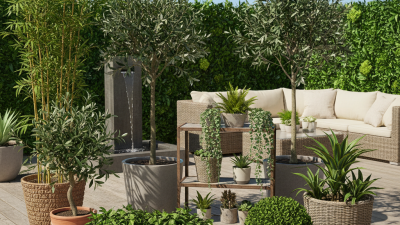
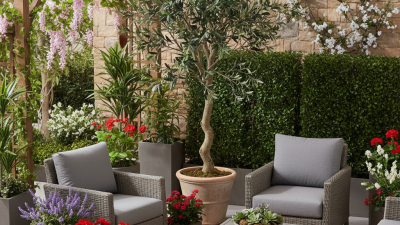
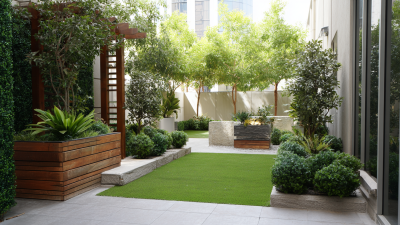
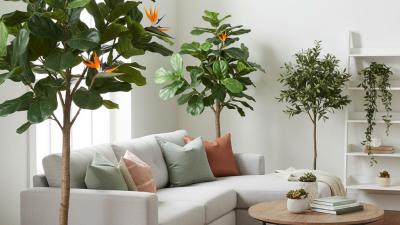
What is the Best Exterior Artificial Plants for Your Home?
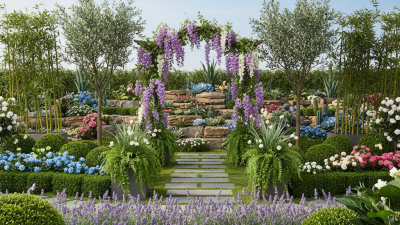
When it comes to enhancing the beauty of your home, exterior artificial plants are an excellent choice. These versatile decorations offer the charm of real plants without the maintenance. They’re ideal for busy homeowners who want to create vibrant outdoor spaces. However, not all artificial plants are created equal.
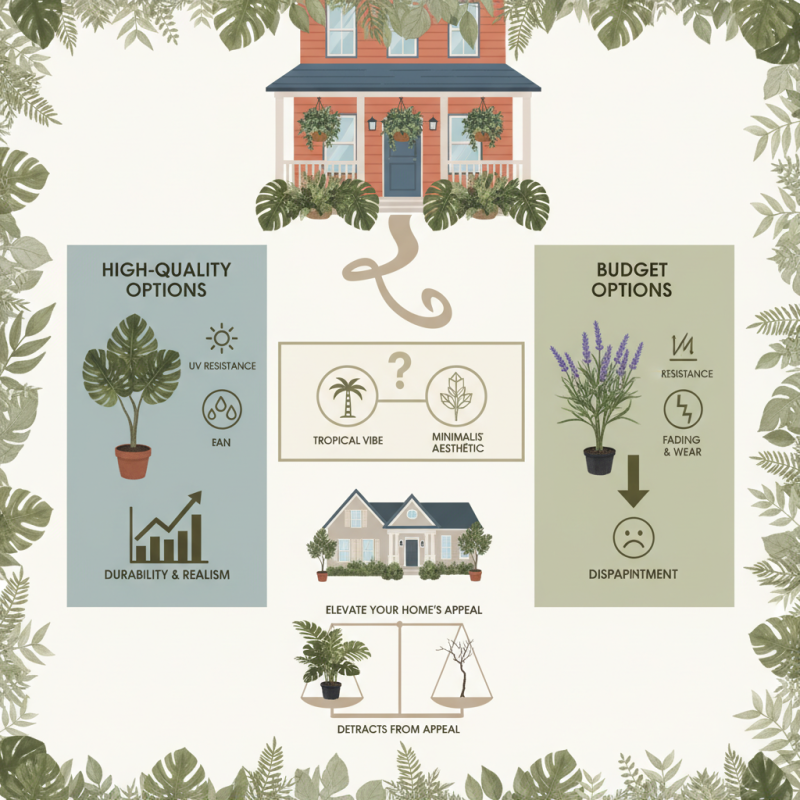
Choosing the best exterior artificial plants for your home can be challenging. With countless options on the market, it’s essential to consider quality and style. High-quality artificial plants can closely mimic the textures and colors of real foliage. This realism adds depth and visual interest to your surroundings. But sometimes, the cheaper options may fall short, leading to disappointment over time.
Reflect on your outdoor space's needs. Are you looking for a tropical vibe or a minimalist aesthetic? Think about how these exterior artificial plants can complement your home’s exterior. Remember, the right choices can elevate your outdoor experience. Nonetheless, be cautious as mistakes in selection can detract from your home’s appeal.
Types of Exterior Artificial Plants Suitable for Various Climates
When choosing exterior artificial plants for your home, consider the climate where you live. Different types thrive under various weather conditions. For example, UV-resistant faux plants work best in sunny areas, while moisture-resistant varieties are ideal for regions with high humidity. According to a recent report by the Artificial Plants Association, 70% of homeowners prefer low-maintenance options. This statistic highlights the growing demand for durable, life-like greenery.
In colder climates, look for artificial plants designed to withstand freezing temperatures. These plants often feature specialized materials that prevent cracking. Meanwhile, in arid regions, choose options that mimic desert flora. Cacti and succulents can add a touch of realism without requiring any water. Homeowners are increasingly drawn to sustainable materials. Research indicates that 40% prioritize eco-friendly products. This shift reflects a broader trend toward responsible decorating choices.
Many people overlook the significance of color and texture. Selecting a variety of shapes can create depth in your outdoor space. Mixing leafy ferns with flowering plants adds visual interest. However, not all artificial plants are created equal. Some may fade over time or become brittle. Regular evaluation is essential to ensure your decor maintains its aesthetic appeal. Installing durable, vibrant plants can enhance your landscape and create inviting spaces all year round.
Benefits of Using Artificial Plants for Outdoor Spaces
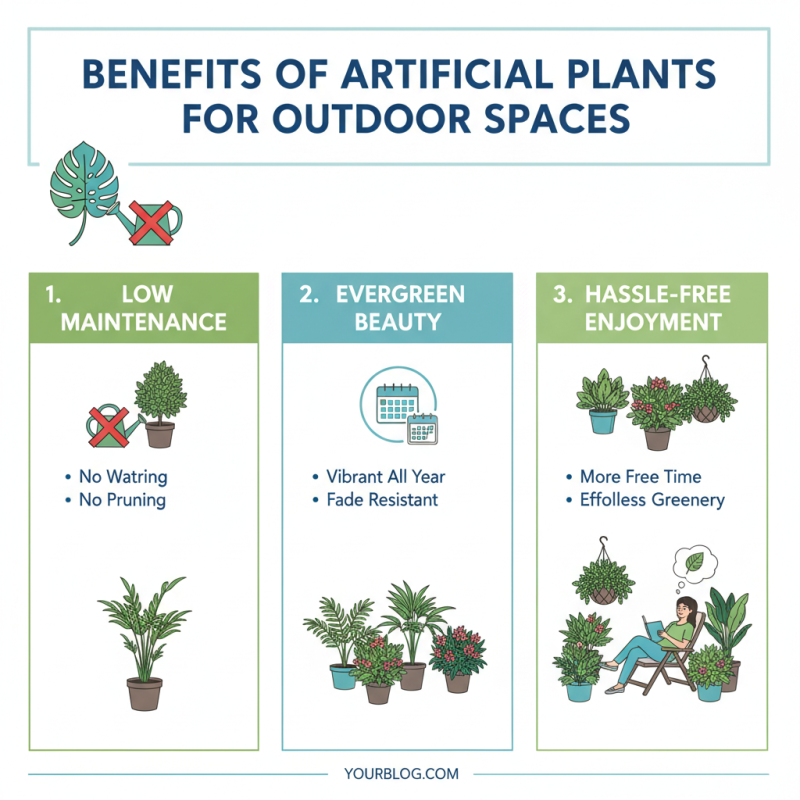
Artificial plants have become increasingly popular for outdoor spaces. They offer numerous benefits that can enhance your home’s exterior. One significant advantage is low maintenance. Real plants require regular watering, pruning, and care. In contrast, artificial plants stay vibrant year-round without any effort. You can enjoy the beauty of greenery without the hassle.
Another benefit is durability. Artificial plants can withstand harsh weather conditions. They won't wilt in the heat or freeze in the cold. This consistent appearance makes them an appealing option for many homeowners. You can place them in any location, from sunny balconies to shady patios.
While they have many advantages, it’s important to reflect on their potential downsides too. Some people may find artificial plants less genuine or lifelike than real ones. Additionally, sourcing quality materials is crucial. Cheaper options can fade or deteriorate over time, losing their charm. Investing time in selecting the best options can pay off, making your home inviting and aesthetically pleasing.
Factors to Consider When Choosing Artificial Plants for Your Home
Choosing the right artificial plants for your home can be a rewarding yet challenging task. One important factor is the environment where the plants will reside. Consider the light levels, temperature, and humidity in your space. Some artificial plants are better suited for bright areas, while others thrive in lower light. Choosing plants that align with these conditions can enhance their realism.
Another consideration is the material of the artificial plants. Options range from fabric to plastic. High-quality materials often look more lifelike and can withstand outdoor elements. However, cheaper options may fade or lose their charm over time. Think about durability and how often you want to replace them in your decor.
Size and scale are also crucial. An oversized plant can overwhelm a small area, while tiny plants may seem lost in a large room. Visual balance matters. Additionally, mixing different heights and types can create a vibrant display. Sometimes, less is more. A few well-placed plants can make a strong impact compared to overcrowding a space. Aim for a thoughtful arrangement that feels intentional.
Top Brands and Products for Quality Exterior Artificial Plants
When choosing exterior artificial plants,
quality matters. Not all synthetic options provide the same level of realism or durability. Reports indicate that approximately
75% of consumers prefer high-quality materials that withstand outdoor conditions. UV resistance is crucial, as it prevents fading over time. A well-crafted synthetic plant can last for years, while cheaper alternatives may deteriorate quickly.
Research shows that the best products often feature intricate details, like lifelike textures and colors. For instance, premium artificial plants use advanced technologies that replicate the natural environment. Consumers should look for products labeled as weather-resistant or specifically designed for outdoor use.
Some studies suggest that such plants can enhance property value by up to 10%, making them a wise investment.
While the options seem endless, be cautious. Some products may promise quality but fail to deliver. It's essential to read reviews and seek products with a history of customer satisfaction. The best artificial plants add significant aesthetic value, but not all are created equal. Consider attributes like weight and sturdiness, as lighter plants might not perform well in windy areas.
Care and Maintenance Tips for Outdoor Artificial Plants
When it comes to caring for outdoor artificial plants, a little maintenance goes a long way. Regularly dusting your plants can keep them looking fresh. A soft cloth or a gentle brush can remove dirt that builds up over time. For tougher grime, a mild soap solution can work wonders. Rinse the plants thoroughly to prevent soap residue.
In addition to cleaning, placement matters significantly. Artificial plants can fade when exposed to direct sunlight for extended periods. Rotating them occasionally helps maintain their vibrant colors. Some moisture can accumulate in colder months, leading to unwanted mold. Therefore, storing them in a dry place during harsh weather is essential.
Not every artificial plant is created equal. Some materials resist fading better than others. Regularly check for signs of wear or fading. Re-evaluating the plants yearly can reveal what needs replacement. While artificial plants are low-maintenance, thoughtful care enhances their lifespan.
What is the Best Exterior Artificial Plants for Your Home? - Care and Maintenance Tips for Outdoor Artificial Plants
| Plant Type |
Material |
UV Resistance |
Weather Resistance |
Care Frequency |
| Fake Bamboo |
Polyethylene |
High |
Excellent |
Monthly |
| Artificial Ivy |
Silk |
Medium |
Good |
Bi-weekly |
| Fake Succulents |
PVC |
High |
Excellent |
Every 3 months |
| Faux Flowers |
Fabric |
Low |
Fair |
Weekly |
| Artificial Palm Tree |
Polyester |
High |
Excellent |
Monthly |