What is the Best Quality Artificial Flowers for Export?
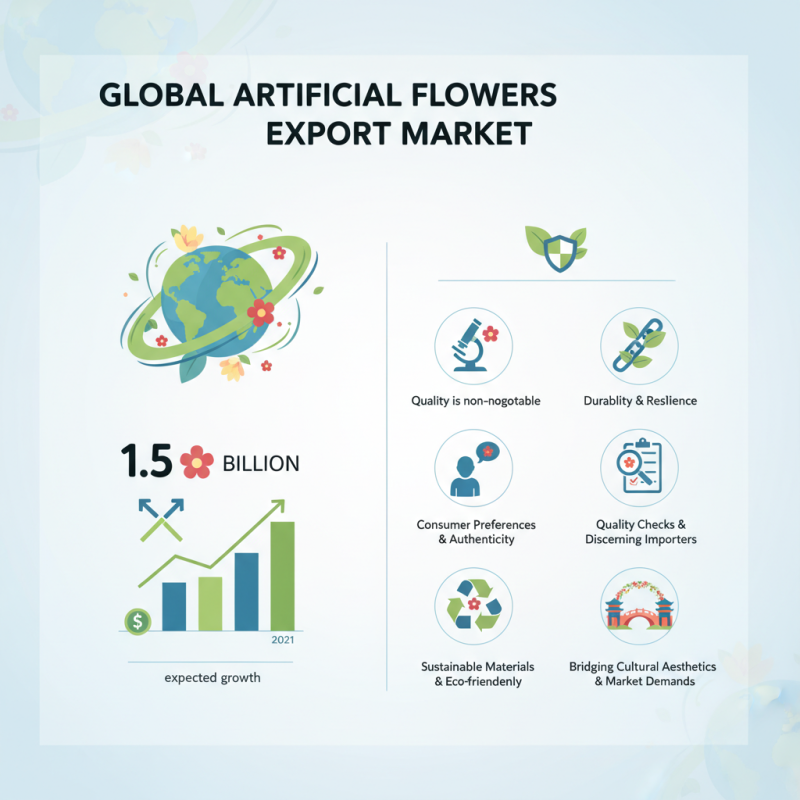
The global market for artificial flowers is a vibrant segment, boasting a valuation of approximately $1.5 billion in 2021, with expected growth over the next decade. This growth speaks volumes about the increasing demand for high-quality artificial flowers, particularly for export. According to industry expert Dr. Emily Carter, “Quality is non-negotiable in the artificial flowers market. Brands need to adapt to consumer preferences while ensuring durability.”
The trend is moving toward more realistic designs and sustainable materials. Reports indicate that consumers prioritize authenticity and eco-friendliness. Brands must acknowledge these factors while maintaining the aesthetic appeal of their products. This approach can be challenging yet rewarding.
Artificial flowers not only serve decorative purposes but also reflect broader trends in lifestyle and sustainability. However, the market is saturated, and not all products are created equal. Importers need to be discerning. They should look for products that balance beauty with resilience. Quality checks are essential. The right artificial flowers can stand out, bridging cultural aesthetics and market demands.
Types of Artificial Flowers Popular in Export Markets
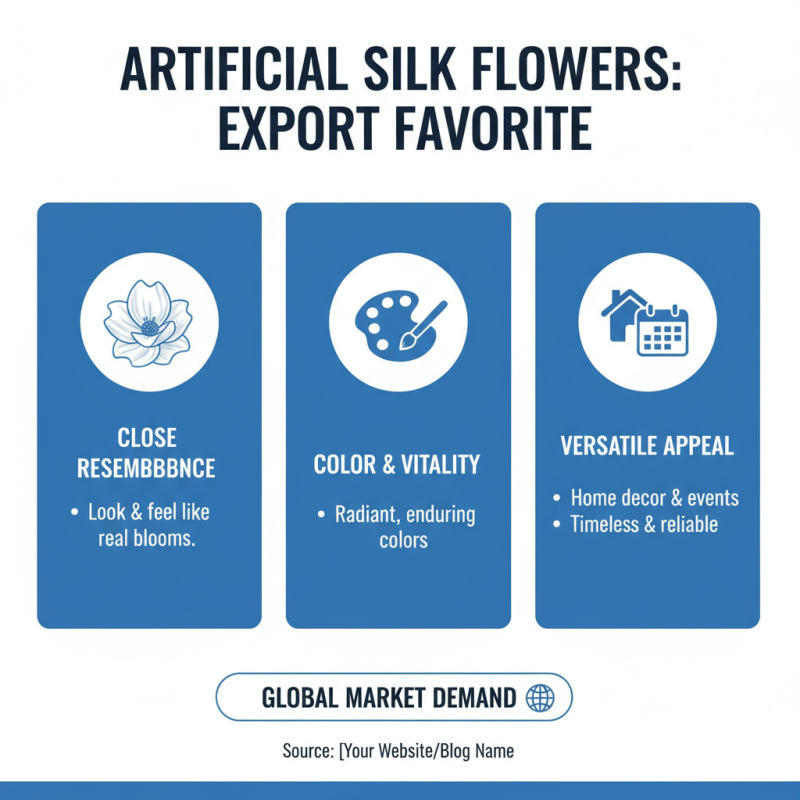
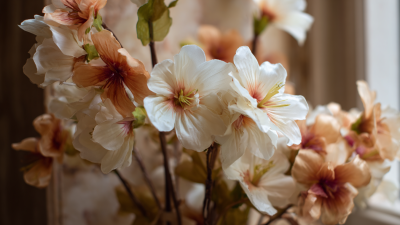
When it comes to artificial flowers for export, various types stand out in the global market. Silk flowers are always a favorite. They resemble real blooms closely. Their vibrant colors seem to breathe life into any arrangement. These flowers are popular for both home decor and special events. They have a timeless appeal that ensures their reliability as an export.
Another type gaining traction is plastic flowers. These are often more affordable and durable. They can withstand various weather conditions, making them suitable for outdoor use. Plastic flowers come in various designs, catering to diverse tastes. However, their quality can vary significantly, and not all meet the same standards. This inconsistency can lead to issues in export markets.
Lastly, foam flowers add a new dimension to artificial blooms. Their softness and realistic texture attract buyers looking for something different. However, the foam material can sometimes limit their aesthetic appeal. This aspect requires careful consideration. Each type of flower possesses unique strengths and weaknesses. Exporters must weigh these factors to ensure quality and marketability.
Key Factors Determining the Quality of Artificial Flowers
The quality of artificial flowers for export depends on several key factors.
Material selection is crucial. High-quality plastics like
polyethylene produce lifelike textures. According to a 2022 market analysis,
over 70% of buyers prefer flowers made from such materials.
Color vibrancy and durability are vital. Flowers that fade or lose their shape quickly are less desirable. Proper
UV treatment can enhance longevity. A report from the International Floriculture Association noted that
65% of consumers prioritize long-lasting colors.
Tips: Choose products that offer a warranty. This indicates confidence in quality.
Inspect the stitching and finishing—these details often reflect the overall craftsmanship.
Environmental sustainability is also becoming significant. More buyers favor eco-friendly options,
as highlighted in the 2023 Sustainability Report. Manufacturers need to consider this trend to remain competitive. However,
producing entirely biodegradable options still poses challenges. Balancing beauty and sustainability requires ongoing innovation.
Materials Commonly Used in High-Quality Artificial Flowers
When choosing artificial flowers for export, material quality is crucial. High-quality artificial flowers often use silk, polyester, and latex. Silk flowers offer a realistic look and feel. They convey elegance in home staging and events. Polyester flowers are durable and come in various styles and colors. They resist fading, making them suitable for outdoor displays. Latex flowers mimic realistic textures and can withstand the elements.
Tips: Always check the flower's texture and color vibrancy. Touch the petals; they should feel soft and look fresh.
High-quality artificial flowers are often heavier and sturdier. They should maintain their shapes without bending easily. When inspecting, pay attention to the details—like leaf veins and petal edges. These features enhance authenticity, capturing attention at first glance. Not all flowers meet these standards, which is a common oversight. Some may look good but lack durability.
Tips: Consider the stitching on fabric flowers. Uneven or loose stitching may indicate lower quality. Additionally, observe how the flowers are arranged. A well-constructed bouquet will have a natural flow.
Top Manufacturers and Suppliers of Quality Artificial Flowers
In the booming artificial flower market, quality matters significantly for export. Research indicates that the global artificial flowers market is expected to reach over $2 billion by 2027. This growth highlights the importance of sourcing from top manufacturers and suppliers.
Leading suppliers often focus on high-quality materials that mimic the texture and appearance of natural flowers. They utilize advanced technology and craftsmanship to ensure durability and aesthetics. Reports suggest that about 70% of buyers prioritize authenticity when selecting artificial flowers for exports. However, not all manufacturers meet these standards. Some may compromise on materials, resulting in faded colors or loss of shape over time.
For buyers, recognizing reliable suppliers is crucial. Industry analysis points out that those with robust quality control processes tend to receive better market feedback. Additionally, a significant portion of customer dissatisfaction often stems from discrepancies between product descriptions and actual quality. This gap underlines the need for transparency and accountability in the artificial flower supply chain.
Best Quality Artificial Flowers for Export
This chart represents the export volume of various types of quality artificial flowers. The data indicates the demand for different flowers in the global market, showcasing which types are most sought after for export purposes.
Trends and Innovations in the Artificial Flower Industry for Export
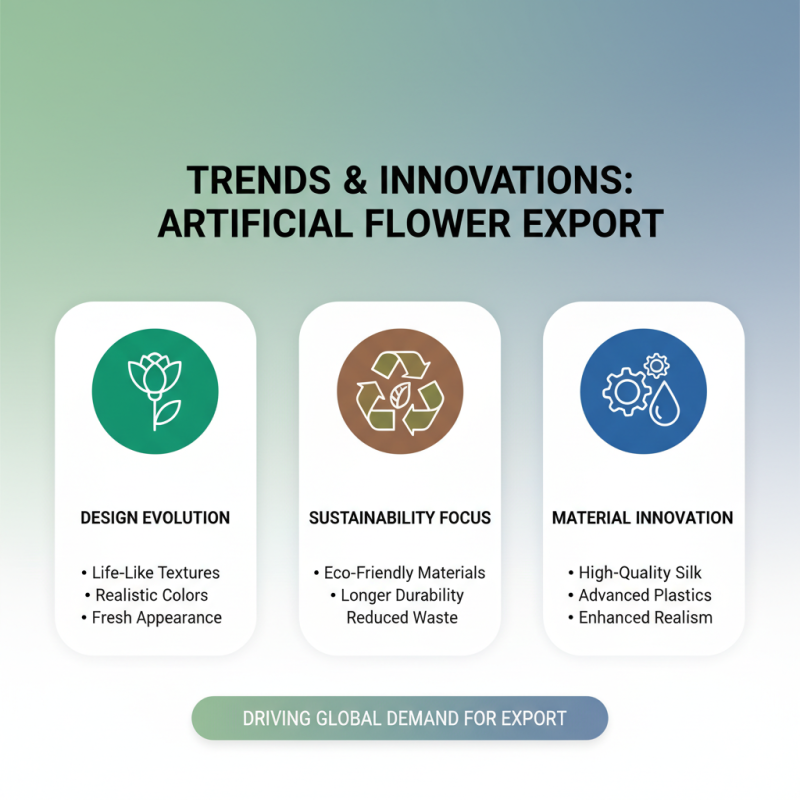
The artificial flower industry is evolving rapidly, driven by trends in design and sustainability. Many manufacturers are now focusing on creating life-like textures and vibrant colors. Consumers increasingly prefer flowers that look fresh and realistic. Different materials, like silk and high-quality plastics, are being utilized. This innovation enhances durability and realism.
Sustainability is a crucial factor in today's market. Manufacturers are exploring eco-friendly options, such as recycled materials. These choices minimize environmental impact and appeal to eco-conscious buyers. Innovative production techniques reduce waste and energy consumption. However, the challenge remains in balancing cost with sustainable practices.
Emerging trends also include customizable artificial flowers. Buyers want options to match their decor and personal style. Technology plays a role here, allowing for unique designs and variations. While offering variety is essential, maintaining consistent quality can be difficult. Manufacturers must continuously adapt to these demands while ensuring their products meet high standards.