Leave Your Message
- Phone
- E-mail
- Whatsapp
- Whatsapp

Finding China Top Tall Artificial Plants Manufacturers requires more than comparing catalog photos and quoted prices. A reliable supplier should demonstrate practical experience with commercial interiors, hospitality projects, retail displays, and residential spaces. Their products should look convincing under real lighting, not only inside edited showroom images. Examine leaf texture, stem strength, pot stability, and the realism of soil or moss details. Small flaws often become obvious beside windows or reception desks.
Tall Artificial Plants can also vary greatly in material quality and maintenance performance. Ask manufacturers about fabric, plastic, wire frames, UV resistance, cleaning methods, and available fire-safety documentation. Request physical samples before placing a large order. A sample may reveal uneven coloring, weak branches, or an unstable planter. That matters. Production capacity, quality-control procedures, packaging design, and export experience deserve equal attention. Factory audits, clear inspection records, and responsive communication can reduce avoidable risks. However, certificates alone do not prove consistent workmanship. They must match the actual product and destination requirements.
China has many capable manufacturers, but “top” depends on your project’s priorities. One supplier may offer realistic tropical palms, while another performs better with custom heights or bulk packaging. Lead times can also change during busy seasons. Keep that in mind. A thoughtful comparison should consider design accuracy, durability, customization, minimum order quantities, pricing transparency, and after-sales support. This guide introduces practical ways to assess leading Chinese manufacturers and choose a partner with credible evidence, useful experience, and dependable production standards.
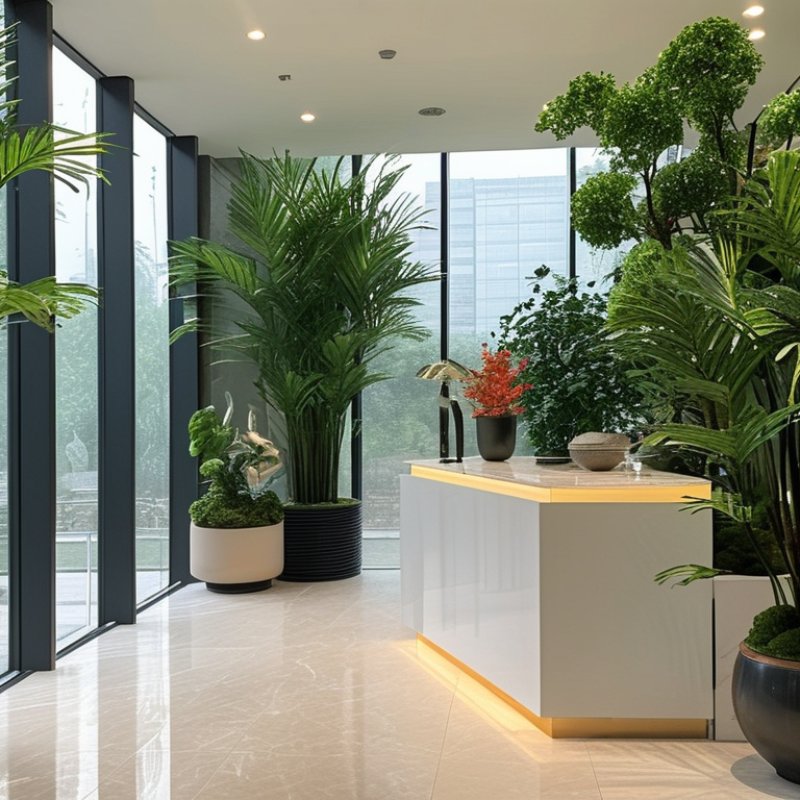
Tall artificial plants are realistic decorative plants made from synthetic leaves, stems, and supporting materials. They usually stand above one metre and imitate palms, ficus trees, bamboo, olive trees, or tropical foliage. Unlike living plants, they need no sunlight, watering, pruning, or daily soil care. This makes them practical for spaces with poor natural light.
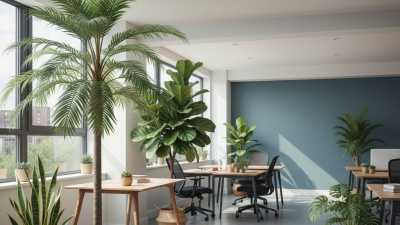
In my experience, tall artificial plants work well in hotel lobbies, office entrances, restaurants, shopping centres, and modern homes. They can soften empty corners, divide open areas, or frame reception desks. A weighted base improves stability in busy walkways. UV-resistant materials are important near windows, while low-flame-spread options may suit commercial interiors. Always check product specifications and testing documents before purchasing. Photos can mislead. I have seen plants appear full online but look sparse in person.
Tips: Measure the ceiling height first. Leave enough walking space around the pot. Choose dense foliage for large rooms and slimmer shapes for narrow corridors. Clean leaves gently with a soft cloth. Avoid placing them beside strong heat sources, even though they are artificial. That detail is often overlooked.
| Plant Category | Typical Height | Common Materials | Visual Characteristics | Recommended Indoor Uses | Outdoor Suitability | Maintenance Requirements |
|---|---|---|---|---|---|---|
| Artificial Palm Trees | 1.5–3.5 m | Polyester or polyethylene leaves, plastic stems, metal or fiberglass support, weighted planter | Long arching fronds and a tropical silhouette; often available with single or multiple trunks | Hotel lobbies, resorts, shopping centers, restaurants, offices, and living rooms | Suitable only when specifically manufactured with UV-resistant materials and weather-protected construction | Dust fronds with a soft cloth or microfiber duster; check the planter and support periodically |
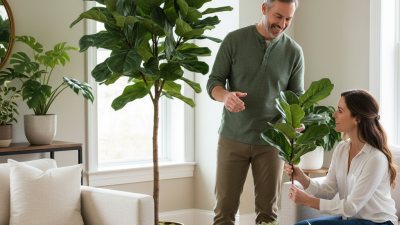
| Artificial Fiddle-Leaf Fig Trees | 1.2–2.4 m | Fabric or plastic leaves, synthetic trunk, internal wire or metal frame, ceramic or plastic planter | Large, broad leaves with a clean vertical form suited to contemporary interiors | Reception areas, bedrooms, apartments, cafés, studios, and modern offices | Generally intended for indoor use; prolonged sunlight can fade non-UV-treated leaves | Wipe broad leaves gently and keep away from strong heat sources to reduce material deterioration |
| Artificial Bamboo Trees | 1.5–3.0 m | Polyester or polyethylene foliage, plastic canes, metal reinforcement, natural-looking soil or moss finish | Dense narrow leaves and clustered stems that create a vertical privacy effect | Room dividers, entrance areas, spas, offices, retail interiors, and restaurants | Outdoor use depends on UV stabilization, waterproofing, and wind-resistant installation | Remove dust from dense foliage regularly; secure taller units in high-traffic locations |
| Artificial Monstera Trees | 1.2–2.1 m | Polyester or plastic leaves, synthetic stems, metal wire supports, decorative planter | Large split or perforated leaves that provide a bold tropical accent | Hotels, cafés, retail displays, coworking spaces, lounges, and residential corners | Usually designed for sheltered indoor areas; UV-rated versions can be used in covered outdoor spaces | Clean leaf surfaces carefully and reshape adjustable stems after transportation or installation |
| Artificial Olive Trees | 1.2–2.4 m | Plastic or fabric leaves, textured synthetic trunk, metal core, stone or cement-filled base | Slender gray-green foliage and a branching trunk with a Mediterranean appearance | Dining areas, offices, showrooms, kitchens, hotels, and minimalist interiors | Best used indoors unless the foliage and trunk are rated for UV and moisture exposure | Light dusting is normally sufficient; avoid abrasive cleaners that may remove the leaf finish |
| Artificial Bird of Paradise Trees | 1.5–2.4 m | Fabric or polyethylene leaves, flexible plastic stems, metal support, weighted base | Large upright leaves with a dramatic fan-like arrangement | Hotel entrances, living rooms, reception desks, boutiques, and lifestyle showrooms | Covered outdoor placement is possible with UV-resistant construction and a stable base | Wipe leaves periodically and ensure the tall planter cannot tip in busy or drafty areas |
| Artificial Snake Plants | 0.9–1.8 m | Polyethylene or polyester leaves, plastic inner structure, cement or sand-weighted planter | Vertical sword-shaped leaves with a narrow footprint and strong architectural form | Hallways, offices, bedrooms, bathrooms, retail displays, and compact apartments | Some UV-treated models work in protected outdoor areas; standard models are primarily indoor | Low maintenance; clean the upright leaves and inspect the base for stability |
| Artificial Fern Trees | 1.0–2.0 m | Polyester fronds, plastic stems, wire supports, natural or synthetic moss, decorative planter | Soft, layered foliage that adds volume and a woodland-inspired appearance | Wellness centers, hospitality spaces, living rooms, offices, and themed interiors | Mostly indoor; humidity and direct weather exposure may shorten the life of untreated foliage | Use gentle air dusting or a soft brush to clean the many small leaflets |
| Artificial Topiary Trees | 0.9–2.1 m | Plastic or fabric foliage, molded or wire-shaped frame, synthetic trunk, weighted planter | Precisely shaped balls, spirals, cones, or tiered forms for a formal decorative effect | Building entrances, reception areas, retail stores, restaurants, and event venues | Outdoor use requires UV protection, moisture resistance, and anchoring against wind | Regularly remove dust to preserve the defined shape; reposition loose foliage by hand |
| Artificial Dracaena Trees | 1.2–2.1 m | Plastic or polyester leaves, synthetic cane trunks, metal support, weighted container | Long narrow leaves arranged above one or more slender stems | Offices, corridors, hotels, waiting areas, shopping centers, and homes | Suitable primarily for interiors; exterior use requires a UV-rated product and sheltered placement | Low maintenance; wipe leaves and check the trunk connection and planter stability |