How to Choose Artificial Green Plants for Outdoor Spaces That Last
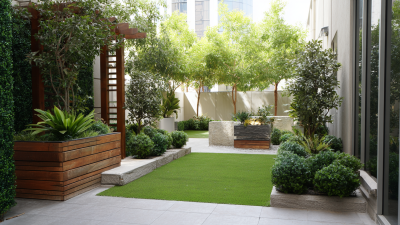
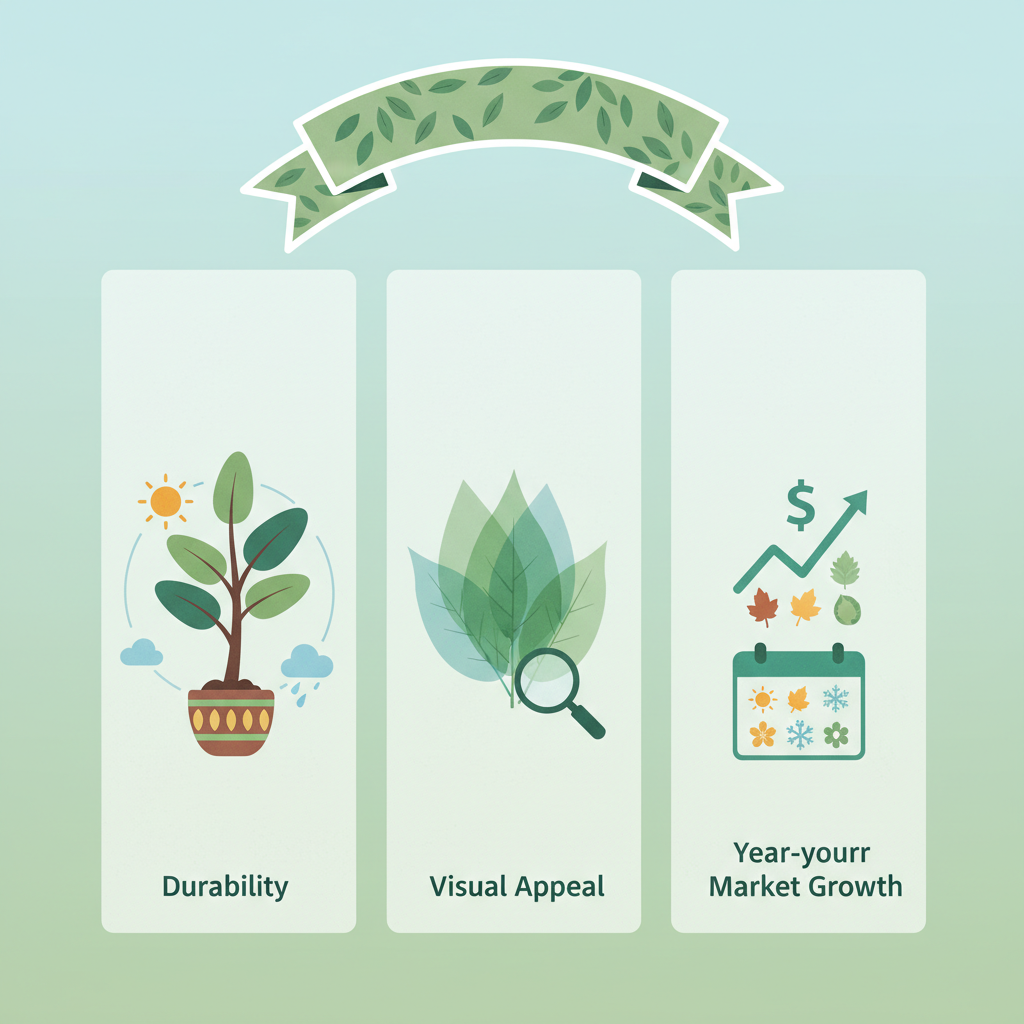
As outdoor spaces become integral extensions of our living areas, the demand for aesthetic yet low-maintenance landscaping solutions has surged. A recent industry report from the National Association of Landscape Professionals indicates that over 70% of homeowners are now investing in artificial greenery to enhance their outdoor environments. Among these solutions, Artificial Green Plants for Outside stand out due to their durability and visual appeal, allowing individuals to enjoy lush surroundings without the upkeep associated with natural plants.
The advancements in manufacturing technologies have led to the production of artificial plants that closely mimic the look and texture of real foliage, making them an attractive option for those seeking to create vibrant outdoor settings. According to market research, the global artificial plants market is projected to grow significantly, reaching approximately $3.6 billion by 2026, driven by consumer preferences for sustainable and practical landscaping choices. This surge highlights the importance of understanding how to choose the right artificial green plants for outside, ensuring they endure the elements while remaining visually stunning throughout the seasons.
Factors to Consider When Selecting Artificial Green Plants for Outdoors
When selecting artificial green plants for outdoor spaces, several critical factors should be considered to ensure durability and aesthetic appeal. First and foremost, the materials used in the artificial plants are crucial. Look for products made from UV-resistant plastic or high-quality polyester, which can withstand the harsh effects of sunlight and prevent fading over time. Additionally, ensure that the plants are designed for outdoor use, as indoor models may not possess the necessary resilience against weather elements like rain or wind.
Another essential factor is the variety and size of the plants. Consider the specific location and environment where the plants will be placed. Larger plants might be ideal for filling empty corners or creating focal points, while smaller varieties can complement existing landscaping. It's also beneficial to choose a diverse selection of plants to create a more natural and vibrant look. Finally, think about maintenance; opt for low-maintenance options that require minimal cleaning and care to keep your outdoor space looking fresh and inviting.
Types of Materials Used in Durable Outdoor Artificial Plants
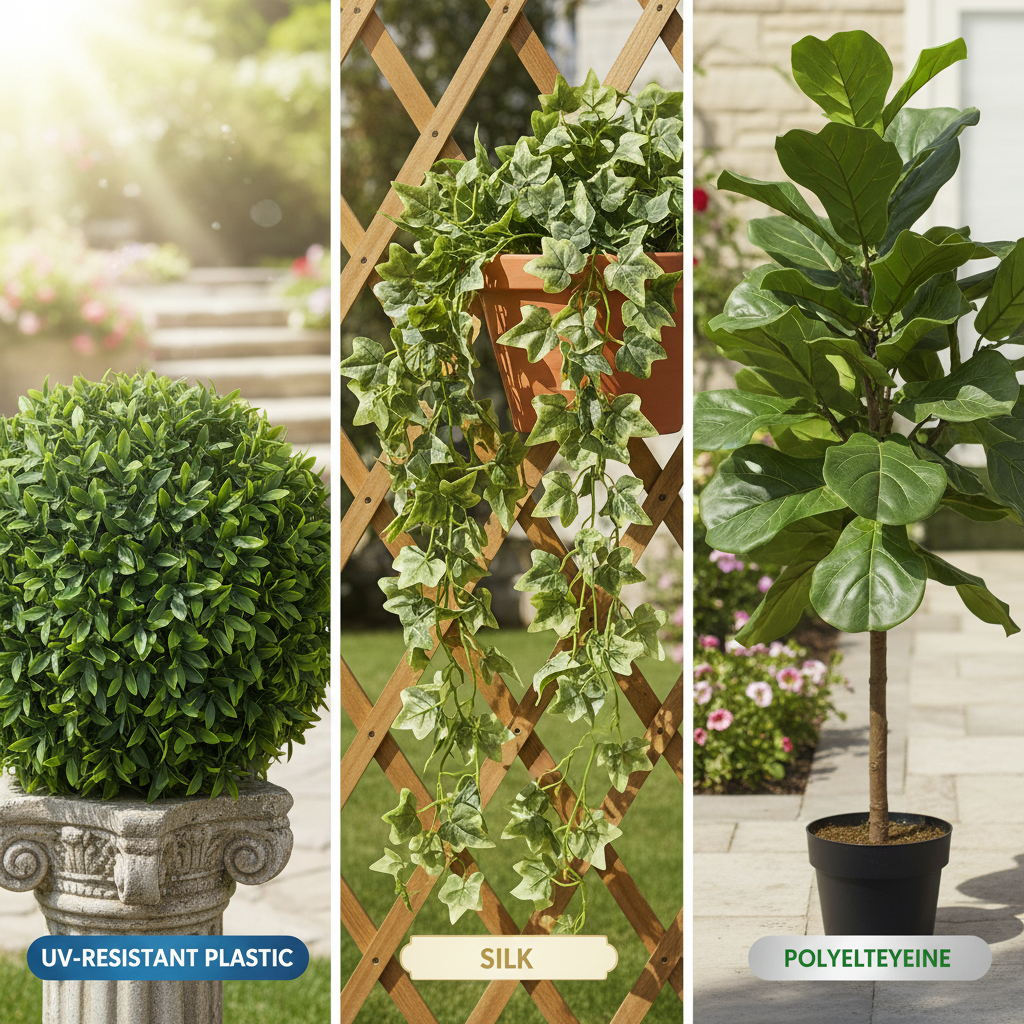
When selecting artificial green plants for outdoor spaces, understanding the types of materials used in their construction is crucial for durability. Most outdoor artificial plants are made from materials like UV-resistant plastics, silk, and polyethylene. UV-resistant plastics are ideal for enduring harsh sunlight without fading, while silk plants can provide a more realistic texture but may not last as long under direct exposure. Polyethylene plants combine the best of both worlds, offering flexibility and resilience, making them suitable for outdoor settings.
Tips for ensuring longevity include choosing plants that are specifically labeled as UV-resistant, as these will retain their color over time. Additionally, consider the local climate; for instance, regions with high moisture levels may require materials that resist mold or mildew. Lastly, ensure that the foliage is well-supported to withstand wind and rain, which can otherwise lead to wear and tear.
Investing in high-quality materials can transform your outdoor area into a lush haven. Always check manufacturer guidelines regarding care and maintenance to enhance the lifespan of your artificial greenery. With the right choices, your outdoor plants can remain vibrant and appealing throughout the seasons.
Evaluating Weather Resistance of Artificial Green Plants for Outdoor Use
When selecting artificial green plants for outdoor spaces, evaluating their weather resistance is crucial to ensure longevity and aesthetic appeal. The ideal outdoor plants should withstand various weather conditions, including UV rays, rain, and fluctuating temperatures. Materials such as polyethylene and polypropylene are often used for their durability and resistance to fading, ensuring that your outdoor greenery remains vibrant over time.
**Tips:** Look for products specifically labeled as UV-resistant, as this feature protects against sun damage and color degradation. Additionally, consider the weight and stability of the materials. Heavy-duty bases or weighted planters can prevent your plants from being easily blown away by strong winds.
Another factor to assess is the water resistance of artificial plants. High-quality outdoor plants should repel moisture to avoid mold and mildew, which can detract from their appearance. Always check for drainage features in planters, which help prevent water accumulation and promote a clean, fresh look.
Weather Resistance Assessment of Artificial Green Plants for Outdoor Use
Tips for Maintenance and Care of Outdoor Artificial Green Plants
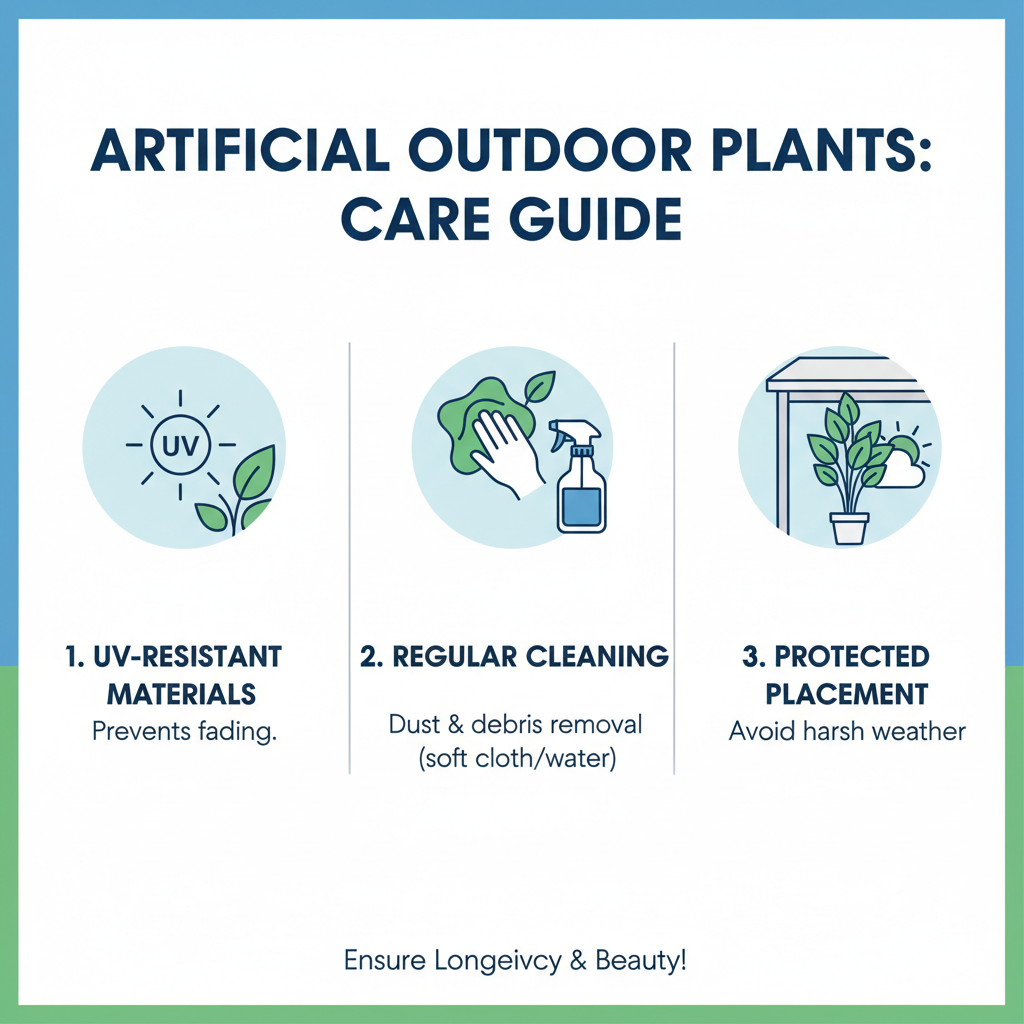
When selecting artificial green plants for outdoor spaces, maintenance and care play a crucial role in ensuring their longevity. First, choose materials that are UV-resistant to prevent fading caused by prolonged exposure to sunlight. Regularly dusting your plants will help maintain their appearance; a soft cloth or a gentle spray of water can effectively remove dirt and debris. Additionally, consider placing your artificial plants in locations that minimize direct exposure to harsh weather conditions, which can accelerate wear and tear.
To enhance the durability of your artificial greenery, periodic cleaning is essential. Using a mixture of mild soap and water can help address tougher stains. It's also important to check for any signs of mold or mildew, particularly in more humid environments. If necessary, a suitable outdoor sealant can be applied to protect your plants from the elements, ensuring they retain their beauty and vibrant color throughout the seasons. By following these tips, you can keep your outdoor artificial green plants looking fresh and appealing for many years.
Best Practices for Arranging Artificial Plants in Outdoor Spaces
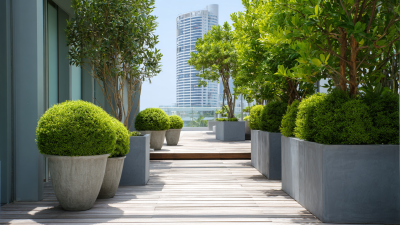
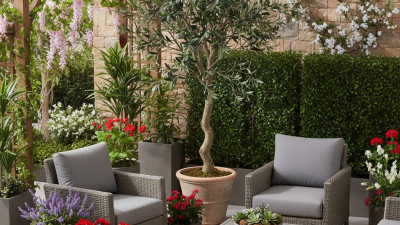
When arranging artificial plants in outdoor spaces, it is crucial to consider durability and aesthetics. According to a survey by the National Association of Landscape Professionals, 60% of homeowners prefer using artificial plants due to their low maintenance and longevity. To ensure a natural appearance, it's advisable to group plants in clusters of odd numbers—this technique not only mimics nature but also creates more visual interest. For instance, combining a larger plant with smaller varieties can create a layered effect that enhances depth and complexity in your designs.
Another best practice is to integrate artificial plants with natural elements. A recent report from the American Society of Landscape Architects emphasizes the importance of blending artificial plants with hardscaping features, such as stone pathways or wooden decks. This approach not only helps in defining the space but also creates a harmonious balance between the artificial and natural elements. Additionally, be mindful of color schemes—selecting plants that complement the existing outdoor palette can significantly elevate the visual appeal. Placing brighter flowers alongside verdant greenery can generate a vibrant atmosphere, ensuring that your outdoor area remains inviting and lively year-round.