How to Choose the Best Tall Artificial Plants for Your Home?
When it comes to home decor, tall artificial plants are becoming increasingly popular. According to a report from the Home Decor Association, the demand for these plants has surged by 25% over the past three years. They offer an easy way to bring life into a room without the ongoing maintenance of real plants. Expert Naomi Green, a leading figure in the artificial plant industry, emphasizes, “Tall Artificial Plants can transform a space and boost mood with minimal effort.”
Choosing the right tall artificial plants is not always straightforward. The variety on the market can be overwhelming. Color, texture, and height are key factors to consider. However, many consumers struggle with selecting plants that fit their specific needs. A common mistake is not considering the scale of the room. Sometimes, a plant that looks great in the store feels out of place at home.
While tall artificial plants add vibrancy, it’s vital to acknowledge that not all options are created equal. Some cheaper plants can look unrealistic, which defeats their purpose. Additionally, without proper placement, even the best artificial plant can fail to impress. Choosing tall artificial plants requires thought and care to ensure they enhance your home beautifully.
Factors to Consider When Selecting Tall Artificial Plants
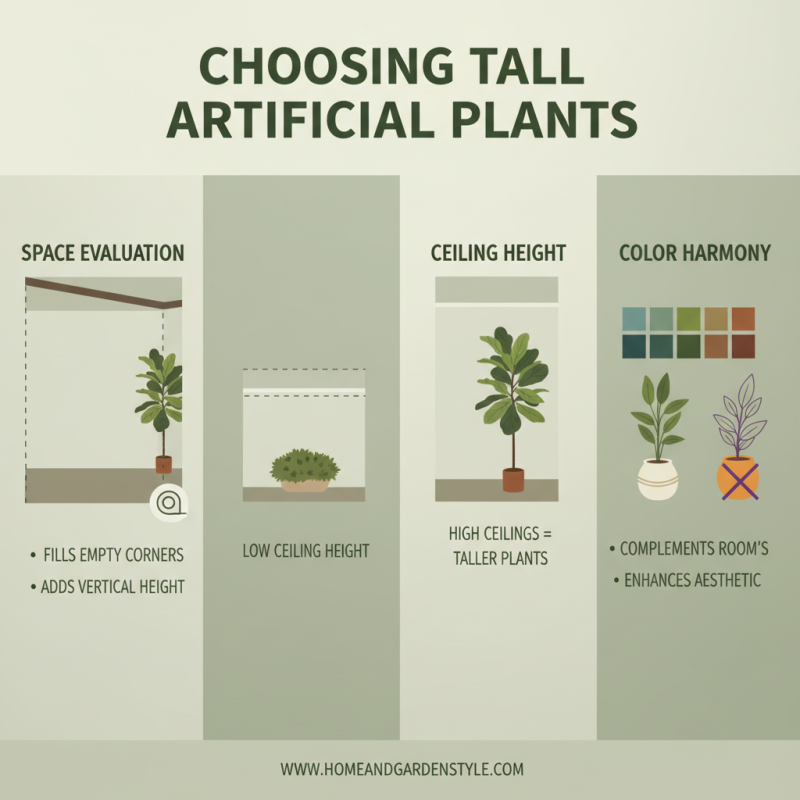
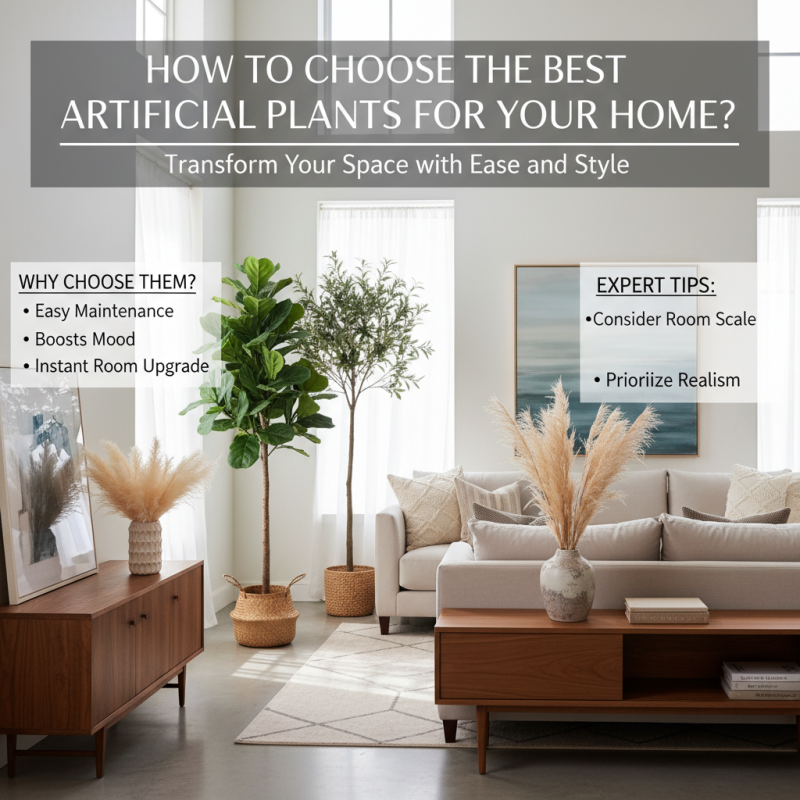
Choosing the right tall artificial plants for your home can be a tricky process. You need to consider several factors to make a perfect selection. Start by evaluating the space where you want to place the plants. Tall plants can fill empty corners and add height to your decor. If the area has high ceilings, choose plants that complement that dimension. Pay attention to the color scheme of your room as well. A plant should not clash with the existing colors but rather enhance the overall aesthetic.
Material choices play a role too. Some artificial plants look remarkably real, while others may appear synthetic. Look closely at the leaves and texture. The quality will influence how convincing they seem in your home. Consider your lifestyle as well. If you have pets or children, choose plants that are safe and durable. The maintenance level is another key factor. Some plants may require occasional cleaning to prevent dust accumulation. You want your space to feel fresh, not stagnant.
Finally, reflect on your personal style. A modern plant might not fit if your home has a more traditional look. It helps to visualize how different plants will interact with your decor. Don’t hesitate to experiment with various heights and styles. Sometimes, the most unexpected combinations create a unique charm.
Best Materials for Tall Artificial Plants: A Comparison
When choosing tall artificial plants, the material plays a crucial role. Common options include polyester, plastic, and silk. Each has its own unique characteristics. Polyester plants are versatile and can mimic real textures effectively. They often come in vibrant colors, making them eye-catching.
Silk plants, while softer to the touch, are usually more delicate. They can fade over time and may require special care to maintain their appearance. Plastic plants are affordable and durable, yet can sometimes look less realistic. They work well in high-traffic areas where durability matters.
Think about where you’ll place the plant. Will it endure sunlight? Some materials may not hold up under direct sunlight. A critical decision involves balancing aesthetics and practicality. Reflect on the environment in your home. The right tall plant seems effortless but requires thoughtful selection.
How to Choose the Best Tall Artificial Plants for Your Home? - Best Materials for Tall Artificial Plants: A Comparison
| Material |
Durability |
Realism |
Maintenance |
Price Range |
| Silk |
High |
Very High |
Low |
$30 - $150 |
| Plastic |
Medium |
Medium |
Very Low |
$10 - $80 |
| Polyester |
High |
High |
Low |
$25 - $120 |
| Fabric |
Medium |
Medium |
Medium |
$20 - $100 |
| Foam |
Medium |
Low |
High |
$15 - $75 |
Choosing the Right Height and Size for Your Space
Choosing the right height and size for tall artificial plants can transform your space. Start by measuring your room’s height and dimensions. A plant that is too tall can overwhelm a small room. Conversely, a plant that is too small might get lost in a large area. Balance is crucial.
Consider the purpose of the plant. If you want to fill a corner, a slender, tall option may work best. For broader spaces, a bushier plant can create a focal point. The visual weight of the plant should complement surrounding furniture. It’s a delicate dance between aesthetics and functionality.
Sometimes, plants might look perfect online but don’t fit your vision in person. Take time to adjust and rethink placements. You may need to try a few different spots. A plant’s shadows and light can change the ambiance. Be aware of how it interacts with your space at various times of day. Embrace the process of trial and error for the best results.
Height Preference for Tall Artificial Plants in Home Decor
Tips for Matching Artificial Plants with Your Interior Style
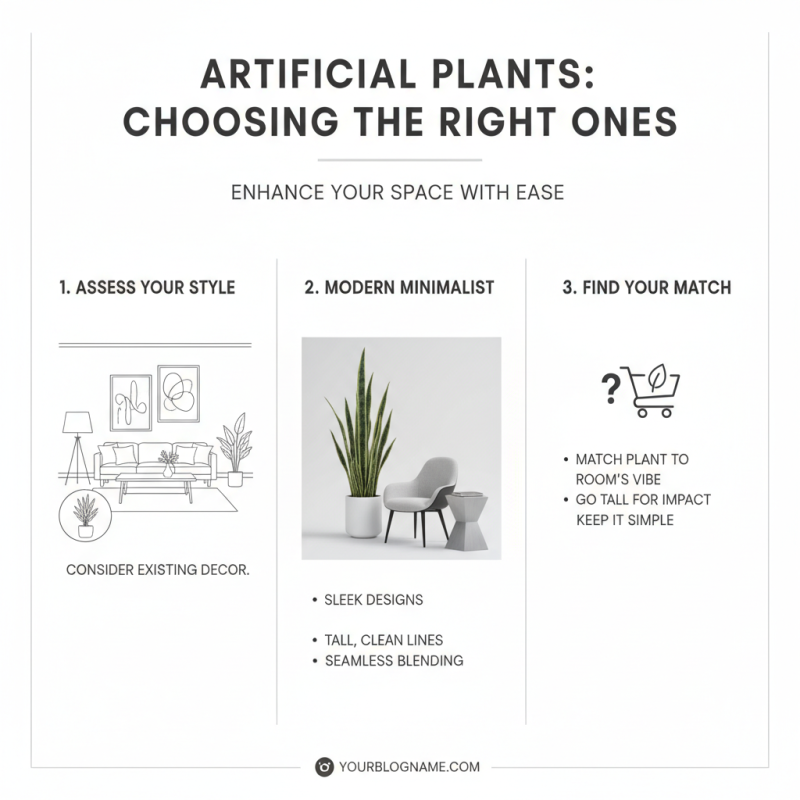
Choosing artificial plants can be tricky. The right ones can enhance your space significantly. Start by considering your existing interior style. If your home features modern decor, sleek and minimalist plant designs work well. Look for tall plants with simple, clean lines. They should blend seamlessly with your furnishings.
On the other hand, if your style is more rustic or bohemian, consider plants with more texture. Varieties that feature varied green tones or unique leaf shapes can add warmth. A tall plant in a wicker basket can complement woody furniture beautifully. Yet, be careful not to overcrowd the space. A single statement piece can often create a stronger impact than a cluster.
Also, pay attention to placement. Think about lighting and space. Tall artificial plants can be overwhelming in tight areas. Balancing height with proportion is essential. Sometimes, what looks good in a store doesn’t translate well into your home. Be willing to adjust and rearrange until it feels right. It’s about finding harmony in your space.
Maintenance Tips for Keeping Your Tall Artificial Plants Looking Fresh
Caring for tall artificial plants involves a few simple steps.
Dusting them regularly helps maintain their appeal. A microfiber cloth works well for this. You might find it surprising how quickly dust accumulates. Some areas of your home may require weekly dusting. Others may only need it monthly.
Using water and mild soap can clean stubborn stains. Dip a cloth in the solution and gently wipe the surface. Be cautious in removing dirt without causing any damage. If you notice fading, try to keep the plants away from direct sunlight. Intense light can dull their colors over time.
Occasionally, inspect the plants for any signs of wear. Sometimes the leaves may get bent or misshapen. A little bit of gentle rearranging can restore their natural look. If you feel your plants need refreshing, consider rotating them. This simple tactic can help ensure even exposure throughout your space. Ultimately, maintaining tall artificial plants can be effortless, but it requires an eye for detail.