Leave Your Message

How to Choose Realistic Fake Plants for Your Home Decor?

Choosing Realistic Fake Plants for your home decor can be a delightful yet challenging task. Interior design expert, Dr. Emily Green, once stated, “The right fake plant can bring life to any space.” This emphasizes the importance of selecting high-quality artificial plants that mimic the beauty of nature.

When exploring the world of Realistic Fake Plants, you’ll find a wide range of options. Some elements stand out more than others. Look closely at the textures and colors. A well-made plant can look nearly indistinguishable from the real thing. However, not all plants succeed in achieving this level of realism. Pay attention to the details. A plant that looks too perfect might draw suspicion.

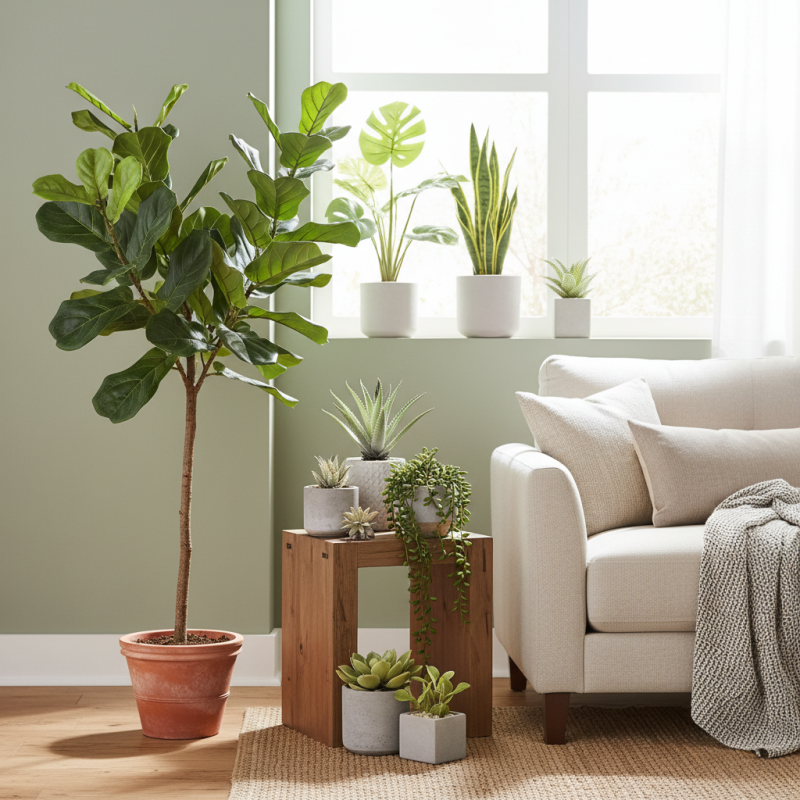
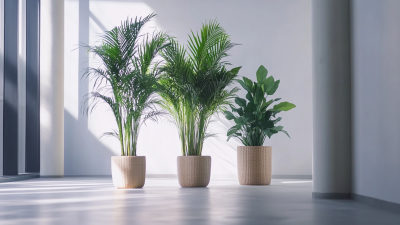
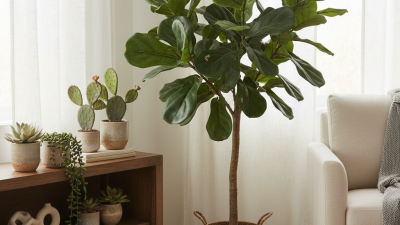
Different spaces require different plants. A small succulent may fit a minimalist desk, while a large fiddle leaf fig can fill an empty corner beautifully. Consider the lighting and overall theme of your decor. Sometimes, less popular choices can offer the unique touch you're after. Remember that perfection isn’t always the goal. Imperfections can tell a story and create character in your home.

How to Choose Realistic Fake Plants for Your Home Decor?

Factors to Consider When Selecting Fake Plants for Home Decor

When selecting fake plants for home decor, consider the lighting in your space. Artificial plants should complement the natural light available. Choose plants that mimic the color and vibrancy of real varieties. Pay attention to the type of leaves and blooms. Some plants look more realistic than others. Avoid overly glossy finishes; they can give away their artificial nature.

Texture matters too. Look for plants with varied textures. Fuzzy leaves, rough stems, and subtle color variations can enhance realism. A little imperfection can help. A perfect plant looks suspicious. Small flaws can make the plant feel more genuine.

Tip: Use different heights and sizes for visual interest. Group plants in odd numbers for a balanced look. Mix in some real elements like stones or driftwood to add authenticity. Remember, less can be more. Too many fake plants can clutter a space. Choose wisely, and allow yourself to experiment. Sometimes, the perfect arrangement takes time.

How to Choose Realistic Fake Plants for Your Home Decor?
Factor Description Importance
Material Quality Choose plants made from high-quality materials like silk or plastic that mimic the texture of real leaves. High
Realism Look for plants with realistic shapes, colors, and details to ensure they look lifelike. High
Size Select sizes that are proportionate to your space and existing decor; consider both height and width. Medium
Maintenance Opt for low-maintenance options that require minimal cleaning compared to live plants. Medium
Price Consider your budget; realistic fake plants come at various price points, so choose one that fits your financial plan. High
Purpose Determine whether the plant is for decoration, mood enhancement, or space division. Medium

Understanding Different Types of Fake Plants and Their Aesthetics

When it comes to choosing realistic fake plants, understanding different types is key. Some fake plants can look incredibly lifelike. They can add color and vibrancy to any room. Consider the materials used in these plants. Options range from plastic to silk. Silk plants often capture detail better. However, they may require more care. Dust tends to accumulate on them easily.

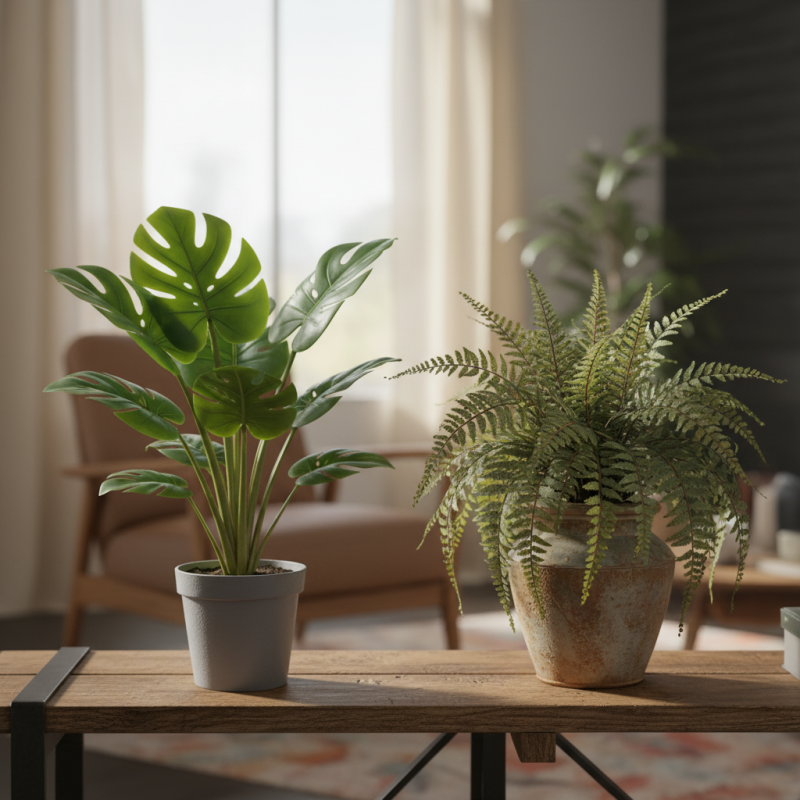
The aesthetics of fake plants can vary widely. An artificial succulent can look great on a desk. A faux fern brings a touch of nature to a bathroom. Some people may find larger pieces overwhelming. Think about balance in your decor. A large tree can dominate a small living room. Look for something that complements your overall style. Remember, imperfections can make these plants more appealing. A wilting leaf or a slightly faded color might add character. Reflect on how these choices contribute to your space. Each plant can tell a story, even if it’s not a real one.

Evaluating Material Quality: Fabric vs. Plastic in Fake Plants

How to Choose Realistic Fake Plants for Your Home Decor?

When selecting realistic fake plants, material quality plays a crucial role. Fabric and plastic are the two main options available. Fabric plants typically offer a softer, more natural appearance. They often feel more authentic to the touch. However, they can attract dust and require light maintenance. Some fabric options might even fade in direct sunlight, losing their vibrant colors.

On the other hand, plastic plants are generally more durable and easy to clean. They can withstand various environmental conditions without deteriorating. Many plastic options mimic the look of real plants quite effectively. Yet, they may lack the detailed textures found in fabric varieties. Some people find plastic plants to appear overly shiny, which can detract from their realism.

When examining these materials, consider the setting of your decor. A rustic cabin may benefit from plush, fabric plants. In contrast, a modern space might suit sleek plastic options better. Think about how these plants will blend with your existing decor. Test different samples in your space to see which option feels right. Balancing aesthetics with practicality can be challenging, but it is essential.

The Role of Color and Realism in Choosing Fake Plants

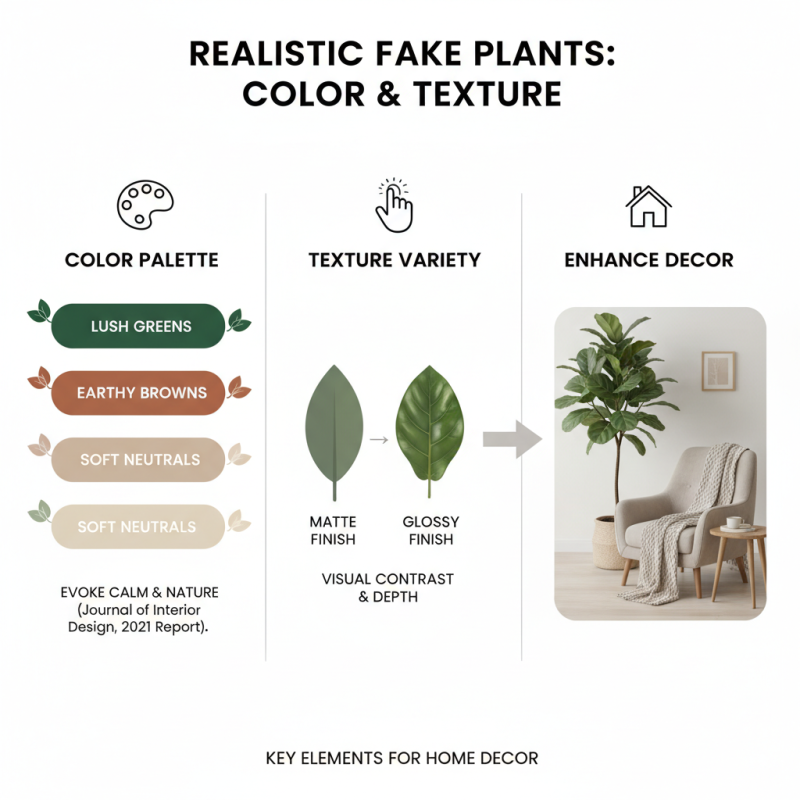
When choosing fake plants, color plays a critical role in achieving a natural look. A recent study by the National Gardening Association highlighted that over 70% of consumers prioritize color when selecting artificial greenery. Choosing vibrant shades of green can mimic real plants effectively. Consider hues that are prevalent in nature. Shades from deep forest to lighter, sun-kissed greens create layers of depth.

Realism in artificial plants doesn't end with color. Textures matter too. According to a report by the American Society of Landscape Architects, realistic textures enhance the visual appeal of faux plants. Look for details like veins on leaves or variations in petal shapes. Some faux plants tend to have a plastic sheen, which can detract from realism. Examining the materials used can lead to a better choice.

Balance is also crucial. A high saturation of color might seem artificial. Instead, opt for plants that exhibit subtle variations. They should seamlessly blend with your home's design. However, even the most carefully chosen artificial plant may still feel out of place. The key is to reflect on their presence and adjust accordingly to your home's aesthetic.

Choosing Realistic Fake Plants: Color and Realism Assessment

Choosing the Right Size and Scale for Your Space with Fake Plants

How to Choose Realistic Fake Plants for Your Home Decor?

When selecting fake plants, the right size and scale are crucial. A common mistake is choosing a plant that's too small. For spaces with high ceilings, a tall plant creates balance and visual interest. According to the National Gardening Association, larger plants can improve mood and indoor air quality, making them essential for big rooms.

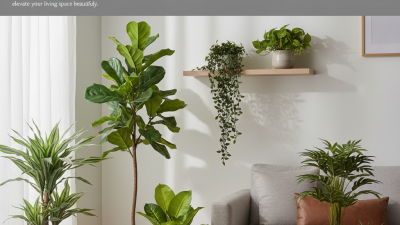
Conversely, tiny plants can get lost in vast areas. They might look cute on a shelf but lack presence. Aim for a variety of sizes to create depth. Grouping different heights together can enhance your decor. Research shows that layering greenery adds dimension, making a space feel more inviting.

Consider your furniture's scale, too. A sprawling sofa needs a substantial plant to anchor it. Likewise, a small dining table pairs well with petite plants. Finding harmony in scale is a reflection of thoughtful design. Yet, many overlook this detail, leading to an unbalanced and cluttered look. Remember, thoughtful selection makes all the difference.