How to Choose Tall Artificial Plants for Your Home Decor?
Choosing tall artificial plants can enhance your home decor dramatically. These plants provide height and a natural touch without the hassle of maintaining real ones. They fit perfectly in corners or spaces where live plants might struggle to thrive.
When selecting tall artificial plants, consider the size of your space. A giant plant can make a bold statement in a spacious room, while a smaller one might suit a cozy nook. The color and texture should harmonize with your existing decor. Look for realistic options that mimic the beauty of real foliage.
However, not every tall artificial plant suits every style. Some may appear too synthetic or out of place. It can take time to find the perfect match. You may need to try several before settling on one that truly enhances your space. Remember, it's all about finding that right balance between beauty and authenticity.
Understanding the Benefits of Tall Artificial Plants in Home Decor
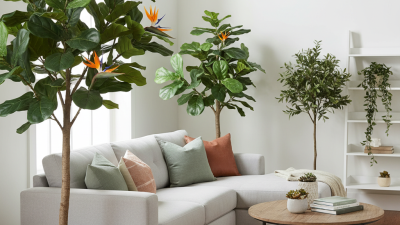
Tall artificial plants can transform your home decor. They add height and elegance to any space. These plants work well in corners, near furniture, or as statement pieces. They create a natural feel without the upkeep of real plants. You don't need to worry about watering or light conditions. It's perfect for busy lifestyles.
Another benefit is their versatility. Tall artificial plants come in various styles and colors. You can find tropical, minimalist, or classic designs. This variety allows you to mix and match with your existing decor. Consider the size of your room. Too many tall plants can overwhelm a small space. Balance is essential.
While they offer many advantages, some may find them less authentic. Real plants have a natural charm. They breathe and change. However, with artificial options, you get consistent beauty year-round. Look for quality materials. Sometimes the cheaper versions look plastic. That could detract from your intended look. Investing in higher-quality pieces can make a big difference.
Benefits of Tall Artificial Plants in Home Decor
Evaluating Different Types of Tall Artificial Plants for Your Space
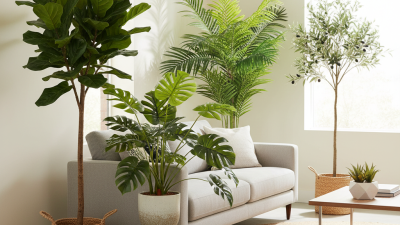
When choosing tall artificial plants for your home, consider the type that fits your space best. Some common options include palms, ferns, and bamboo. Each type brings a unique aesthetic. Palms can create a tropical vibe, while ferns offer a lush, greenery feel. Bamboo adds a touch of Asian minimalism. Assess your room's overall theme before selecting.
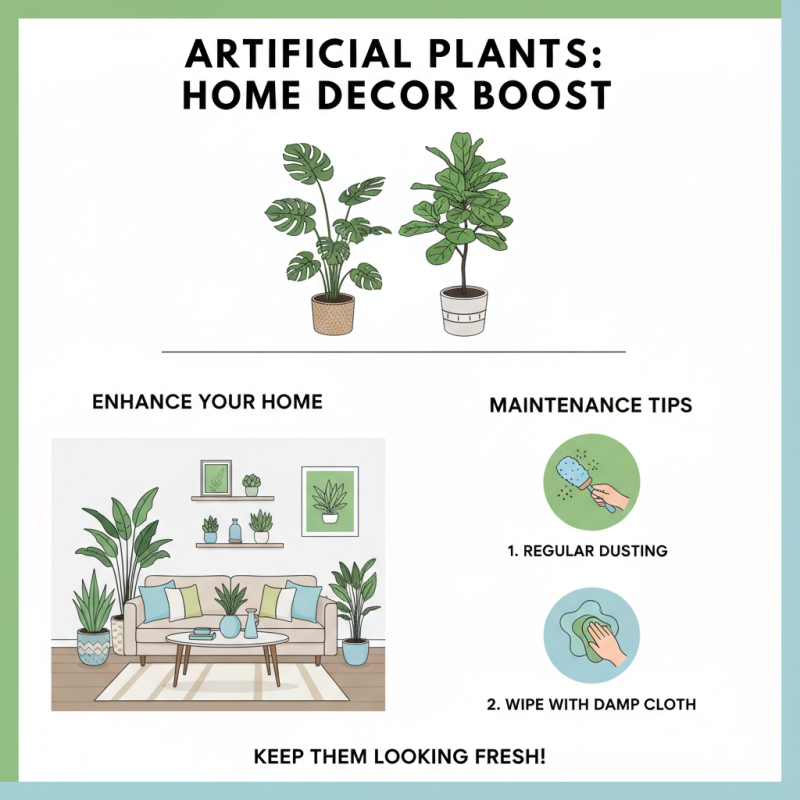
**Tips:** Measure your space carefully. Ensure the height of your chosen plant complements your furniture. Look for plants with realistic textures and colors. They can enhance your decor remarkably. Keep in mind, over time, even artificial plants may need a little cleaning to maintain their charm.
Consider the lighting in your home as well. Some plants thrive in brighter spaces, while others prefer dimmer conditions. It’s important to think about practicality too. Check the plant's stability, especially for high-traffic areas. You might find that a wobbly plant can lead to accidents.
**Tips:** Choose plants with sturdy bases. They should withstand occasional bumps. Sometimes, plants that look good might not be suitable for use in specific areas. Evaluate each plant’s size and weight against your interior layout. This thoughtfulness can prevent some disappointments down the line.
How to Choose Tall Artificial Plants for Your Home Decor?
| Plant Type |
Height (ft) |
Material |
Leaf Style |
Best Location |
| Fiddle Leaf Fig |
6 |
Plastic |
Broad, glossy leaves |
Living Room, Office |
| Rubber Plant |
5 |
Silk |
Large waxy leaves |
Bedroom, Hallway |
| Corn Plant |
7 |
Plastic |
Long, narrow leaves |
Entrance, Living Room |
| Palm Tree |
8 |
Polyester |
Feathery fronds |
Sunroom, Patio |
| Dracaena |
5 |
Fabric |
Strappy leaves |
Office, Bedroom |
Choosing the Right Size and Height for Tall Artificial Plants
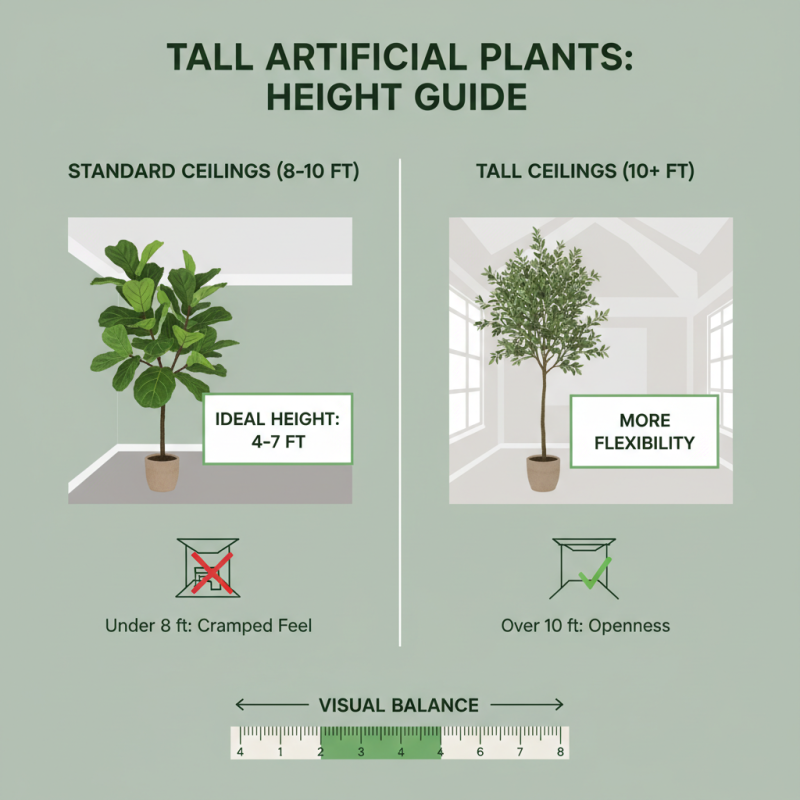
When selecting tall artificial plants, size and height play critical roles. Research from interior design experts indicates that the ideal height for tall plants should range between 4 to 7 feet. This range enhances the visual balance in most rooms. Shorter ceilings may lead to a cramped feel. On the other hand, ceilings over 10 feet offer more flexibility and openness.
Placement is equally important. A tall plant positioned in a corner can draw the eye upward. This method creates an illusion of space. However, it's worth noting that too large a plant may overwhelm smaller rooms. For example, a 7-foot plant may dominate a compact area. Some might find this arrangement unappealing or overpowering.
It’s essential to consider the overall decor style. A minimalist approach suggests using fewer but larger pieces. Conversely, eclectic designs might benefit from varied heights. A common mistake is not assessing the plant’s volume. An overly bushy plant can block light and movement. Balancing size, height, and volume ensures harmony in any room.
Selecting Colors and Textures to Match Your Interior Design
When selecting tall artificial plants for your home, consider how colors and textures harmonize with your interior design. Research shows that the right plant colors can enhance mood and energy levels. Warm tones like greens and golds evoke comfort, while cooler shades can instill calmness. Choose plants that reflect or contrast your wall colors for striking effects.
Tips: Look for plants with intricate textures. Leaves with varied shapes add depth to your decor. Industry data emphasizes that textured plants can create a more natural feel in artificial arrangements.
Don’t forget to balance the size of these plants with your room's scale. A large plant can dominate a small space. However, if the height and volume are well-proportioned, they can create stunning focal points. Sometimes, an oversized plant in a busy area may overwhelm other decor.
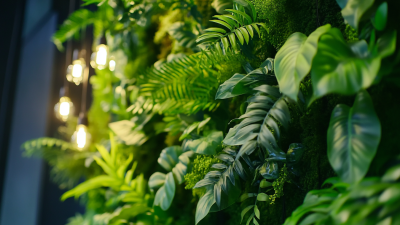
Choosing the right artificial plant can seem tedious. Pay attention to both the visual appeal and the materials. Materials affecting realism matter greatly. A fabric leaf may look fake compared to a well-crafted plastic one. Always analyze which elements feel right for you.