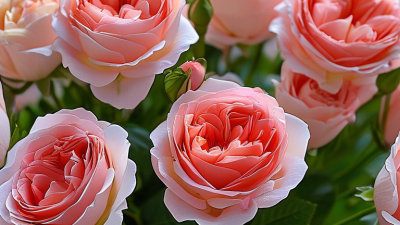
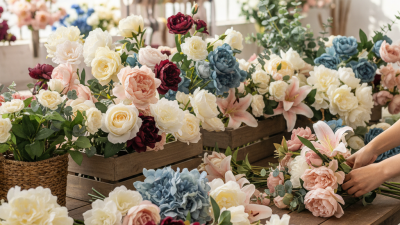
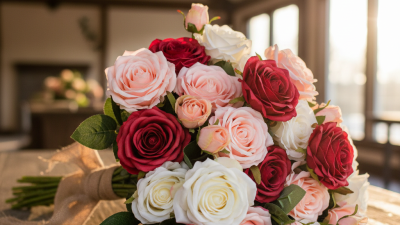
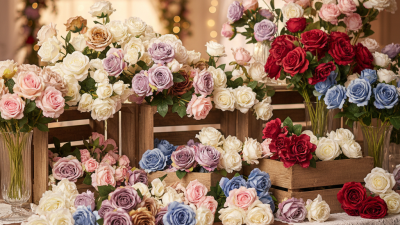
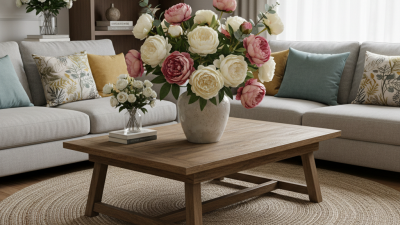
What is Faux Roses Bulk and Why Choose Them for Your Business?
The demand for Faux Roses Bulk is surging in various sectors, including events and retail. This growth is backed by a report from IBISWorld, which projects that the artificial flower market will reach $3 billion by 2025. Faux roses offer businesses a versatile product that appeals to eco-conscious consumers.
Expert floral designer, Sarah Melrose, states, "Faux roses are not just alternatives; they redefine elegance in decor." This highlights the strategic benefits of choosing faux flowers over natural options. They provide long-lasting beauty without the maintenance of real flowers.
However, it's crucial to consider the sourcing of these products. Not all faux flowers are created equal. Businesses must prioritize quality and ethical production. As the industry evolves, consumers seek authenticity, even in artificial flowers. Selecting the right Faux Roses Bulk supplier may define a brand’s reputation. It’s a delicate balance between trends and sustainability that deserves thoughtful reflection.
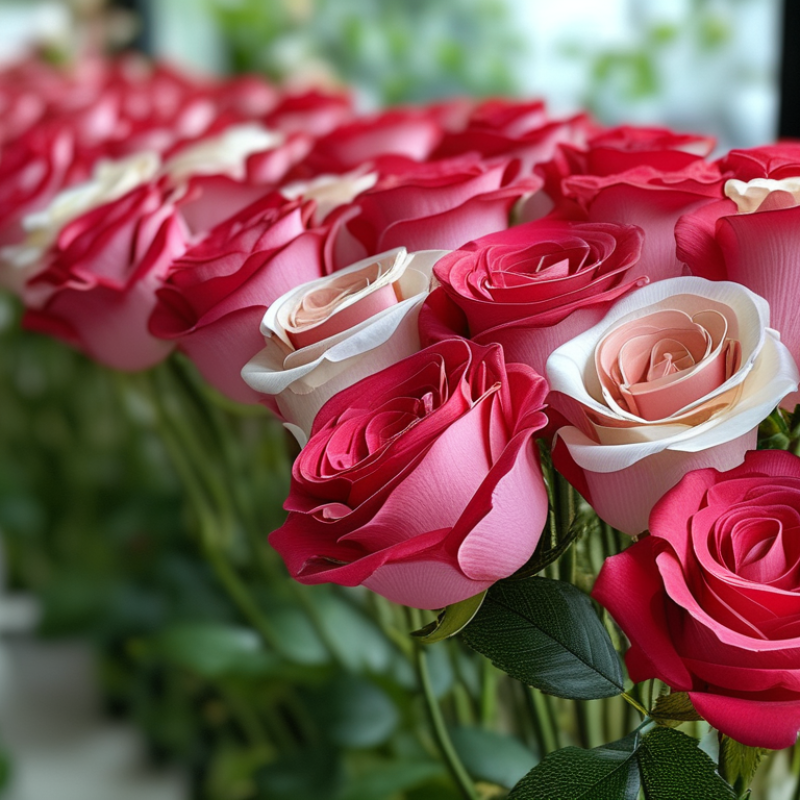
What are Faux Roses and Their Characteristics?
Faux roses are artificial flowers designed to mimic the beauty of real roses. They are made from various materials like silk, plastic, or foam. These materials allow faux roses to retain their shape and color for a long time, making them low-maintenance options for decor. Unlike fresh flowers, faux roses do not wilt, providing a consistent appearance. They are an ideal choice for businesses looking to maintain a vibrant, yet practical aesthetic.
One characteristic of faux roses is their versatility. They can be used in a variety of settings, from weddings to retail spaces. The color and style options are nearly endless, allowing businesses to find the perfect match for their brand. However, some people might notice the lack of scent, which can detract from the overall experience. Additionally, not all faux roses look equally realistic, and cheap versions may appear artificial. Quality matters when selecting faux flowers since it can affect brand perception.
Faux roses require thoughtful placement to avoid an overly artificial look. While they offer longevity, the initial investment in high-quality pieces can be significant. Business owners should weigh the pros and cons carefully. It is essential to consider how these flowers fit within the broader design strategy. If chosen wisely, faux roses can enhance ambience and create memorable experiences for customers.
The Benefits of Using Faux Roses for Businesses
Faux roses are an excellent choice for businesses looking to enhance their decor without the hassle of maintenance. They offer a vibrant, long-lasting alternative to fresh flowers. For cafes, event planners, and retailers, faux roses can create an inviting atmosphere that attracts customers. Their resilience against fading and wilting makes them ideal for various settings.
Using faux roses can lead to significant cost savings over time. Real flowers require regular care and replacement, which can add up quickly. Faux roses, however, can be reused year after year. This speaks to sustainability, as businesses reduce waste while maintaining beautiful aesthetics.
When selecting faux roses, focus on quality. Ensure they resemble real blooms closely; this attention to detail matters. Don't hesitate to mix colors and styles to create unique arrangements. Consider seasonal themes or special occasions for added variety. Embrace imperfections in arrangements, as these can add character and intrigue. Remember to assess lighting conditions to enhance their realistic appearance.
How to Choose the Right Faux Roses for Your Needs
When selecting faux roses, consider the material. High-quality faux roses are crafted from durable, realistic fabrics. These materials mimic the texture of real roses. Soft silk or high-grade polyester can make a significant difference in appearance. Affordable options may look artificial and lack elegance. Remember, your choice affects how customers perceive your brand.
Pay attention to color and size. Faux roses come in a variety of hues. Choose colors that align with your business branding. Size can alter the overall aesthetic. Smaller blooms can add subtlety, while larger ones make a bold statement. Mixing sizes can create a visually appealing arrangement. Think about your target audience as well. Certain styles may attract different demographics.
Reflect on your budget. While it’s tempting to choose the cheapest options, compromise on quality could hurt your reputation. Striking the right balance between affordability and quality can be challenging. Investing in better faux roses can lead to higher customer satisfaction. Quality products may reduce the need for frequent replacements, ultimately saving you money in the long run.
Applications of Faux Roses in Different Industries
Faux roses are remarkably versatile, finding applications across various industries. In the event planning sector, they add elegance and vibrancy to weddings and corporate events. Many planners choose faux roses for their durability. These flowers maintain their beauty throughout the event, without the need for water or refrigeration. This reliability allows for creative display options that real flowers may not support.
In retail, faux roses serve as attractive decor for shops and showrooms. They enhance the customer experience and create a welcoming atmosphere. Retailers appreciate how these flowers can be arranged to match seasonal themes or promotions. This flexibility encourages impulse buying while reducing maintenance costs associated with live plants.
Interior design also benefits from faux roses. Designers use them in home staging to create visually appealing spaces. However, not all faux flowers are created equal. Some may appear cheap or unrealistic. Designers often struggle with this challenge, seeking the right balance between affordability and authenticity. Finding high-quality faux roses can elevate a design project, while the wrong choice could detract from it.
Cost-Effectiveness and Sustainability of Faux Roses
Faux roses bulk offers a sustainable choice for businesses looking to enhance their floral arrangements. These artificial flowers maintain their beauty without the need for water or sunlight, making them an efficient option. According to the Floral Industry Report, about 70% of fresh flowers are imported, which can contribute to a significant carbon footprint. In contrast, faux roses are often made from recyclable materials, promoting eco-friendliness and longevity.
The cost-effectiveness of faux roses cannot be ignored. The initial investment may seem higher, but they require minimal maintenance. A study by the American Floral Endowment indicates that faux flowers can save up to 50% in long-term costs compared to fresh flowers. This efficiency is critical for businesses aiming to balance quality and budget. Additionally, they do not wilt or decay, allowing for year-round use without the expense of regular replacements.
While faux roses present many benefits, there are areas for reflection. Their appearance can sometimes fall short of the natural beauty of real flowers. Some consumers may still prefer the authentic scent and texture of fresh roses. Acknowledging these preferences is crucial for businesses when deciding on inventory. Adapting to market demands and finding a balance between aesthetics and sustainability will ultimately enhance the overall customer experience.