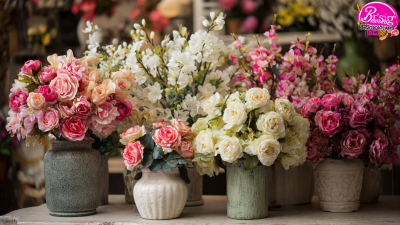
Buying silk flowers across borders can look simple on a catalog page. In practice, small details often decide the final quality. Petals Catalog Silk Flowers may display rich colors, realistic textures, and carefully arranged bouquets. Yet screen images can hide stiff petals, weak stems, or uneven dyeing. Experienced buyers inspect more than appearance. They compare fabric composition, petal edges, wire strength, finish, and product dimensions. A close photograph helps. A physical sample helps more.
This guide introduces ten practical tips for purchasing Petals Catalog Silk Flowers globally. It considers supplier experience, sample policies, packaging methods, communication, and delivery reliability. Buyers should request clear measurements and confirm color references before placing larger orders. Natural-looking flowers usually show layered petals, subtle shading, and flexible stems. Cheap products may look attractive initially, but crushed petals can reduce their value quickly. Ask how each item is packed. Ask whether replacement support is available. Keep written records of agreed specifications.
Global purchasing also requires patience and careful checking. Shipping times may change, and catalog descriptions may not explain every limitation. I have found that confident promises are less useful than consistent evidence. A supplier with detailed photos, responsive answers, and transparent terms deserves closer consideration. Still, no checklist removes every risk. Colors may vary slightly under different lighting. Some “silk” flowers may contain blended synthetic fabrics. That detail can disappoint buyers who assume a premium material. Thoughtful comparison protects budgets, presentation quality, and customer trust.

Petals catalog silk flowers are artificial blooms designed to imitate the shape, color, and texture of fresh petals. Despite the name, many are made from polyester, cotton, or blended fabrics. A reliable catalog should state the materials clearly. I learned this after ordering flowers that looked soft online but felt stiff in person. Photos can mislead.
These flowers serve many practical purposes. Event planners use them for wedding arches, table centerpieces, and guest-room displays. Retailers add them to window arrangements, while photographers prefer stable colors and reusable stems. They also suit homes where watering plants is difficult. A good arrangement needs more than attractive petals. Check the stem length, flower diameter, color variation, and edge finishing. Small differences matter.
Before buying globally, request a physical sample when possible. Compare it with the catalog image under natural light. Ask about packaging, production time, minimum quantities, and replacement policies. Compressed petals may recover with gentle steaming, but some fabrics can melt or lose their shape. Do not assume every supplier uses the same quality standard. I still find this part frustrating. Measure the shipping carton carefully, because oversized packaging can change the final cost. Keep invoices and product specifications for dependable purchasing records.
When buying silk flowers globally, quality begins with evidence, not attractive catalog images. Request close-up photos of petals, stems, stitching, and color transitions. A reliable supplier should explain fiber composition, dye stability, fire-safety information, and testing methods. Terms like “premium” mean little without measurable details. Check the sample. Real inspection reveals uneven edges, visible glue, stiff leaves, or a strong chemical smell.
For repeated orders, compare samples against the approved reference under daylight and warm indoor lighting. Good petals show layered shaping, clean veins, and controlled color variation rather than flat, printed tones. Bend a stem gently. It should recover without cracking or shedding surface fibers. Ask whether pigments can transfer onto light fabric after rubbing. This small test is practical, although it does not replace laboratory assessment. Packaging also matters: crushed petals may indicate weak protection during long-distance transport.
Independent certificates can support claims, but verify issuing bodies, test dates, product scope, and applicable destination requirements. Do not treat one certificate as proof of every safety feature. Request batch records when consistency matters for hotels, events, or retail displays. My own purchasing reviews often find that the cheapest option creates higher replacement costs. Still, appearance is subjective, and a strict checklist can miss the buyer’s intended atmosphere. Leave room for human judgment. Record defects honestly, including minor ones, and use them to improve future specifications.
Buying catalog silk flowers globally requires more than comparing attractive images. Check fiber content, petal finish, stem length, color codes, and package details. Request recent videos in natural light. Studio lighting can hide uneven edges and excessive plastic shine. I once approved a sample too quickly. The delivered petals felt stiffer than expected. That mistake improved my inspection process. Ask suppliers for recent production photos, export experience, and written quality standards. Verify business details through official records or established trade directories. Keep specifications, approvals, and revisions in one document.
Catalog prices rarely include sampling, packing, freight, duties, or payment fees. Compare landed cost, not unit cost. Request quotations at 100, 500, and 1,000 pieces. Compare minimum order quantities by color, style, and size. A low MOQ may bring a higher unit price. A large MOQ can trap cash in slow-selling colors. Ask for carton dimensions, gross weight, and shipping terms. Confirm whether pricing uses EXW, FOB, or delivered terms. Also check production lead time and reorder timing. These details affect margin.
Create a supplier table with MOQ, sample fee, production days, defect allowance, and response time. Use identical questions for every supplier. That makes comparisons fairer. Order a small pilot when possible. Inspect petal symmetry, stitching, odor, color consistency, and crushed packaging. A catalog may use “silk” loosely, so confirm the actual material. Some petals contain polyester blends. Ask whether dye lots can vary between batches. They can. Plan spare units for fragile designs, but avoid buying excess inventory before demand is proven.
10 Tips for Buying Petals Catalog Silk Flowers Globally
International delivery begins with correct product classification. Silk flowers usually fall under HS code 6702, but national tariff schedules may separate textile, plastic, or mixed-material items. Ask the seller for a detailed commercial invoice, packing list, material description, country of origin, and product photos. Keep evidence visible. A vague invoice can delay clearance or trigger a reclassification.
Check the destination customs authority before payment. Confirm import duty, value-added tax, brokerage fees, labeling rules, and any required plant-material declarations. Artificial flowers are not live plants, yet natural wood stems, seeds, or untreated fibers may receive extra scrutiny. The World Bank’s 2023 Logistics Performance Index surveyed 4,090 trade professionals across 139 countries. Customs performance remains a major logistics factor. Do not assume the seller knows your local rules.
Choose shipping terms carefully. Under DAP, the buyer commonly handles import charges. Under DDP, the seller may arrange them, but availability differs by country. UNCTAD’s Review of Maritime Transport 2024 states that over 80% of global merchandise trade moves by sea. Sea freight suits cartons, while air freight protects urgent, lightweight orders. Request carton dimensions, gross weight, insurance coverage, and tracking details. Ask before payment. I once underestimated brokerage charges on a small shipment, so I now compare the landed cost, not only the catalog price. Customs guidance can change, and online calculators are imperfect; verify uncertain details with a licensed broker or the destination authority.
| No. | Buying Tip | What to Check | Typical International Requirement | Recommended Action | Risk Level |
|---|---|---|---|---|---|
| 1 | Confirm the product description | Verify that the items are artificial or textile flowers, not fresh, dried, preserved, or plant-based flowers. | Customs authorities classify goods according to their material, construction, and intended use. A clear description helps prevent incorrect classification. | Use an invoice description such as “artificial decorative flowers made primarily of textile materials,” and list the materials used. | High |
| 2 | Request the correct HS classification | Ask for the proposed Harmonized System code and confirm it with the destination-country customs authority or a licensed customs broker. | Artificial flowers may fall under different tariff classifications depending on whether they are made mainly from textile, plastic, paper, or other materials. | Do not rely only on a generic code supplied by a seller. Check the current national tariff schedule before placing a large order. | High |
| 3 | Compare shipping methods | Compare postal service, express courier, air freight, and sea freight by cost, delivery time, tracking, and customs handling. | Delivery time and customs procedures vary by transport mode. Express shipments are usually faster but may include brokerage or handling charges. | Choose express or postal shipping for samples and small parcels; request a freight quotation for cartons or palletized orders. | Medium |
| 4 | Calculate the landed cost | Include product price, packaging, international freight, insurance, import duty, VAT or sales tax, brokerage, and local delivery. | Import taxes are generally calculated from customs value and may differ by country, product classification, trade agreement, and shipping terms. | Build a landed-cost worksheet before purchase and leave a contingency for inspection, storage, or carrier administration fees. | High |
| 5 | Clarify the Incoterm | Check whether the quotation is EXW, FOB, CIF, DAP, DDP, or another agreed delivery term. | Incoterms define responsibilities for transport, insurance, export formalities, delivery, and risk transfer, but they do not by themselves determine import taxes. | Record the agreed Incoterm and named place in the purchase order. Confirm who will act as importer of record and pay destination charges. | High |
| 6 | Prepare complete customs documents | Check the commercial invoice, packing list, transport document, country of origin, quantity, unit value, and currency. | Carriers and customs authorities commonly require accurate invoices and shipment details. Missing or inconsistent information can cause delays. | Ensure the invoice and packing list use matching product names, quantities, weights, values, and package counts. | High |
| 7 | Check import permits and plant-related rules | Determine whether the destination treats artificial flowers differently from fresh, dried, or untreated plant products. | Phytosanitary controls generally focus on regulated plant material, soil, seeds, and pests. Synthetic flowers normally do not require a plant-health certificate, but materials such as untreated wood or natural plant parts may trigger controls. | Confirm requirements with the destination’s agriculture or biosecurity authority, especially when packaging contains wood or the product includes natural components. | High |
| 8 | Review packaging and labeling | Check carton strength, moisture protection, country-of-origin marking, material information, and warning labels where applicable. | Labeling rules differ by destination and may apply to consumer products, packaging materials, textiles, or chemical treatments. | Request photos of packed cartons and confirm that wood packaging, if used, complies with applicable international treatment and marking standards. | Medium |
| 9 | Verify restricted substances and product safety | Ask whether dyes, coatings, adhesives, fragrance treatments, plastics, or metal components are used. | Some markets restrict chemicals or require documentation for consumer products, children’s products, decorations, or materials that may contact food. | Obtain a material declaration or safety information from the supplier and check destination-specific chemical and consumer-product rules before resale. | Medium |
| 10 | Plan for inspection, damage, and returns | Review tracking, insurance, delivery evidence, inspection procedures, claims deadlines, and return responsibility. | Customs may examine shipments, and carriers may impose deadlines for reporting visible or concealed damage. International returns can be expensive and may require export and re-import documentation. | Order a sample first, photograph the parcel on arrival, inspect quantities and colors promptly, and agree in writing on replacement or refund procedures. | Medium |
When buying silk flowers globally from a petals catalog, samples deserve more attention than attractive photographs.
Request several colors, sizes, and stem styles before placing a large order. Check petal edges, fabric density, wire strength, and color consistency under natural light. Rub a petal gently with a clean white cloth. Loose dye can reveal weak finishing. Measure the sample against the catalog dimensions. Small differences may affect event displays or retail packaging.
Payment terms can expose hidden risks.
Confirm the currency, deposit percentage, balance date, inspection period, and shipping responsibility in writing. A staged payment plan is usually safer than paying everything upfront. Link the final payment to an approved sample or inspection report. Keep invoices, messages, and revised specifications together. I once trusted a polished sample and overlooked the packing method. Several stems arrived bent. The mistake was mine, but the supplier also needed clearer instructions.
Long-term reliability appears through repeated behavior, not promises.
Track response times, production updates, sample accuracy, and problem-solving after delivery. Ask for recent buyer references with similar volumes. Reliable suppliers explain delays early and offer practical options. They also preserve agreed colors across batches, although slight variation can still occur. Review performance after every shipment. A supplier may be excellent during a small trial yet struggle with seasonal demand. Start modestly, document weaknesses, and allow room for changing your decision.