2026 How to Choose Realistic Fake Plants for Your Space?
Creating a harmonious environment often involves choosing the right décor. One increasingly popular option is realistic fake plants. These artificial greens bring life to any space without the hassle of maintenance. In a world where we seek convenience, they are both practical and aesthetically pleasing.
However, not all realistic fake plants are created equal. Some may look lifelike from afar, but closer inspection reveals their artificial nature. It’s essential to select options crafted with high-quality materials. This ensures they not only look good but also enhance your space effectively. Pay attention to details, such as texture and color, to avoid disappointment.
While the idea of incorporating realistic fake plants is enticing, it’s crucial to reflect on your choices. Consider the impact of these plants on your overall design. Will they add warmth? Or will they seem out of place? Thoughtful selection can transform your living area into a vibrant sanctuary, striking a balance between beauty and practicality.
Understanding Different Types of Realistic Fake Plants Available
When selecting realistic fake plants for your space, it’s essential to understand the various types available. Silk plants are a popular choice. They mimic the delicate texture of real leaves, offering a level of realism that is visually appealing. However, they can collect dust and may require regular cleaning to maintain their appearance.
Another option is plastic plants. These are often more durable and can withstand harsher conditions. They might lack the fine details found in silk varieties. Still, modern plastic plants often come with improved finishes that can trick the eye. Keep an eye out for variations in color to find something that fits your aesthetic. It’s important to choose wisely.
Lastly, there are faux arrangements. These can be a mix of different materials, sometimes incorporating foam or synthetic branches. They offer unique designs, perfect for adding character to any room. However, their shapes may not always fit well with your decorating style. Take time to explore the options before making a decision.
Realistic Fake Plants Popularity by Category (2023)
Evaluating Quality: Materials and Craftsmanship of Fake Plants
When choosing realistic fake plants, evaluating the quality is crucial. Materials and craftsmanship play a significant role in how believable a plant looks. Many consumers overlook the fact that not all faux plants are created equal. A recent industry report indicated that around 70% of shoppers prioritize material quality over price when selecting artificial greenery.
Plastic is a common material in fake plants, but its quality varies widely. Some plastics can appear shiny and unrealistic, while others are crafted to mimic natural textures. Consumers should look for plants made with high-grade polyethylene or polyester. These materials resist fading and damage. Furthermore, craftsmanship matters. Hand-painted details can enhance realism. But mass-produced items often lack this finesse, making them appear cheap and unconvincing.
While it's easy to fall for a beautifully staged display, not all plants will hold up in varying environments. Consider the light and humidity of your space. Some materials may degrade under UV light. Others might become brittle in dry conditions. Investing time in research can save you from a less-than-satisfactory purchase. Ask for samples whenever possible. Ultimately, realism comes down to careful selection.
Choosing the Right Style: Matching Fake Plants to Your Interior Design
When selecting fake plants, consider how well they match your interior design. Different styles create varying moods. For instance, sleek, minimalist spaces benefit from streamlined, simple designs. On the other hand, bohemian aesthetics shine with lush, diverse arrangements. Research shows that 75% of people believe greenery enhances their interior vibe.
Color and texture play crucial roles in this selection. A vibrant green faux plant may complement a modern space, while earthier tones work well in rustic settings. According to industry reports, textures attract attention—80% of shoppers prefer realistic materials. However, not all fake plants deliver near-perfect realism. Some may appear too glossy or 'plastic,' failing to evoke the organic charm that real plants bring.
Pay attention to size and scale. A massive fake tree can overwhelm a small room. Balance is key; too many small plants can look cluttered. Even a minimalistic approach requires thoughtful arrangement. Visit design forums to see how others navigate these challenges. You may find inspiring and imperfect solutions that resonate with your unique style.
Considering Size and Placement for Optimal Impact in Your Space
When incorporating realistic fake plants into your space, size and placement are crucial. A plant that is too small may get lost in a large room, while an oversized piece can overwhelm a small area. Measure your space first. This will guide your selections and ensure they fit harmoniously within your environment.
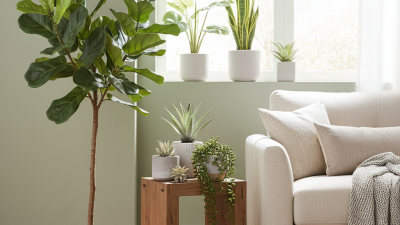
Consider the height of ceilings and width of furniture. For instance, tall plants should be placed near corners or empty walls to accentuate vertical space. A cascading design might work well atop a shelf or table. Ensure balance in your arrangement; a lone plant in a vast area can appear lonely. Grouping smaller plants can create a more impactful display, but avoid overcrowding.
Light and texture are vital too. Identify where natural light enters. Some plants thrive in bright light, while others prefer shade. Think about how these plants interact with your decor's color scheme. The wrong shade of green could clash with your chosen palette. Always reflect on your choices. Trial and error is part of the process.
Maintenance Tips for Keeping Realistic Fake Plants Looking Fresh
When incorporating realistic fake plants into your space, maintenance is key to preserving their fresh appearance. Regular dusting is essential. Use a soft cloth or a feather duster to clean each leaf gently. This prevents dust accumulation, which can dull their look. Consider using a damp cloth occasionally for deeper cleaning, but avoid soaking them. Water can cause damage over time.
Occasionally inspect for signs of fading or wear. Some materials can lose vibrancy when exposed to direct sunlight. If you notice any discoloration, moving them to a less sunny spot can help. Additionally, if you have artificial flowers, replace any wilted petals to enhance their visual appeal. Small details matter.
Another tip is to store them properly when not in use. A dedicated space keeps them safe from damage. Wrap them lightly in tissue paper for protection. Avoid cramming them together, as this can lead to bent leaves or broken stems. Regular care keeps your fake plants looking vibrant and inviting. They can complement any decor elegantly when maintained well.