What are Realistic Fake Plants and How to Choose the Best?
In today's world, many seek the charm of greenery without the hassle of maintenance. Realistic fake plants offer a perfect solution. These lifelike creations transform spaces, adding beauty without the stress of caring for living plants. They come in various forms, from vibrant flowers to lush foliage.
When choosing realistic fake plants, it's crucial to consider authenticity. Some may appear beautiful at first glance but lack detail upon closer inspection. This is where the challenge lies. A well-crafted fake plant should mimic the nuances of real plants, from the textures of leaves to the subtleties in color.
Not all realistic fake plants are created equal. Some may fade in sunlight or gather dust easily, diminishing their appeal. Reflecting on these factors can help you select the best options for your home or office. Investing in quality not only enhances your decor but also ensures longevity. Everyone deserves a touch of nature, even if it's artificial.
Understanding Realistic Fake Plants: Definition and Characteristics
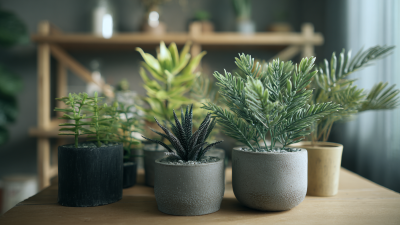
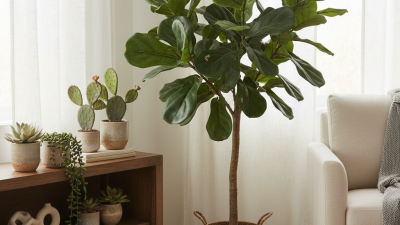
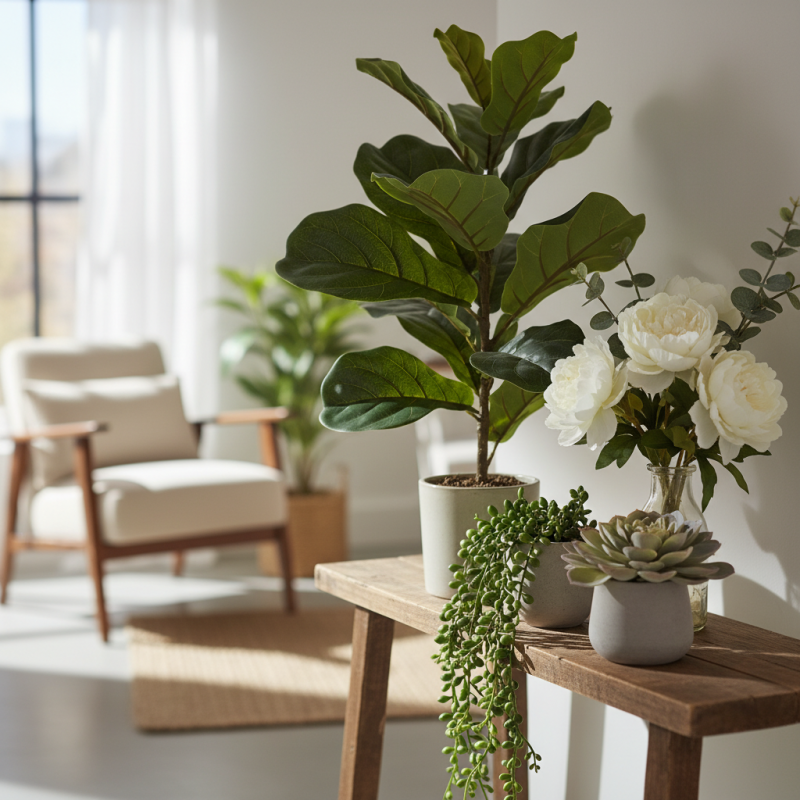
Realistic fake plants have become a popular choice for home decor. These plants mimic the look and feel of real greenery while offering a low-maintenance alternative. They come in various shapes and sizes, from small succulents to large fiddle leaf figs. Many people appreciate the convenience they offer. No watering, no sunlight needed, and no fear of wilting.
When choosing a realistic fake plant, pay attention to details. Look for variations in color and texture. A good fake plant will have leaves with different shades. Some may even have small imperfections, mimicking real growth patterns. Others might seem too perfect, lacking character. You might find some plants that look great from afar but reveal their artificiality up close. It's essential to consider how these plants will fit into your space.
Consider where you plan to place the plant. Rooms with plenty of natural light may benefit from more vibrant colors, while darker spaces might call for subtler tones. Think about the atmosphere you want to create. A visually striking piece can be a conversation starter, but an overly perfect plant might feel out of place. Embrace the imperfections; they can lead to a more authentic vibe.
What are Realistic Fake Plants and How to Choose the Best?
| Plant Type |
Material |
Characteristics |
Ideal Use |
Care Instructions |
| Faux Succulent |
Silicone, Plastic |
Realistic texture, vivid colors |
Desk decoration, terrariums |
Wipe clean with a damp cloth |
| Artificial Flower Arrangement |
Polyester, Plastic |
Bright colors, varied textures |
Home décor, events, gifting |
Dust regularly, avoid direct sunlight |
| Faux Tree |
Polyethylene, Wire Frame |
Lifelike leaves, sturdy trunk |
Living rooms, offices, large spaces |
Wipe with a damp cloth, reposition as needed |
| Faux Fern |
Plastic, Fabric |
Soft leaves, rich green hues |
Bathrooms, shaded areas |
Clean with a cloth, keep out of direct sunlight |
| Fake Cactus |
Ceramic, Plastic |
Distinct shapes, rugged look |
Deserts, modern décor |
Dust off, no water needed |
Types of Realistic Fake Plants: An Overview of Popular Options
When it comes to realistic fake plants, several types stand out. Faux succulents and cacti are particularly popular. They are often chosen for their low maintenance and ability to fit into diverse décor styles. A recent report shows that the market for artificial plants is expected to grow by over 5% annually. This trend reflects a strong consumer preference for realistic designs.
Another option includes faux ferns and tropical plants. These selections can bring a vibrant energy to any space. They mimic the lush appearance of live plants without the hassle of care. Various studies indicate that a well-placed fake plant can improve indoor air quality perceptions. Interestingly, the focus on realism in fake plants drives most consumers to seek those with intricate details.
However, potential buyers should remain cautious. Not all fake plants have the same quality. Some may appear overly glossy or unrealistic. The challenge is to find options that balance aesthetics with craftsmanship. Investing time into research can lead to better choices. Reviewing customer feedback is essential. It helps ensure you're selecting a product that truly satisfies your needs without compromising on realism.
Key Factors to Consider When Choosing the Best Fake Plants
When choosing realistic fake plants, several key factors come into play. First, consider the materials used. Some plants are made from polyester, while others may use plastic or foam. High-quality materials often look more authentic. Look for textures that mimic real leaves. Subtle color variations can add depth and realism.
Size is crucial. A large plant can serve as a stunning focal point, while smaller ones work well on shelves. Ensure the proportions suit your space. Don’t forget about the pot! A well-designed pot can enhance the overall appeal. Plain pots may look cheap; opt for something textured or colorful.
Tips: Pay attention to sunlight patterns in your room. Fake plants won’t need light, but placement can affect their appearance. Dust them regularly to maintain their look. If you notice faded colors, consider rotating them occasionally. This small adjustment can enhance their lifelike quality. Look for plants that emulate your favorite real ones. That personal touch makes a difference, even if it’s not perfect.
Evaluating Quality: How to Assess Realistic Appearance and Durability
When choosing realistic fake plants, evaluating their quality is crucial. Start by examining the leaves closely. A realistic plant should have varied shapes and sizes. Pay attention to color as well. Natural leaves often have subtle gradients. Fake plants with one-dimensional colors look less authentic.
Next, consider the texture. High-quality faux plants often mimic the feel of real foliage. Run your fingers over the leaves and stems. If they feel overly plastic, they might not be worth your time. Look for plants that have a slight sheen, as many real plants do. Durability is another factor. A plant may look beautiful but should withstand light handling. Check for any signs of wear or fading.
Sometimes, even high-quality plants can fall short. You might find a plant that looks perfect from afar. However, up close, you notice the seams or a glaring plastic finish. It’s essential to reflect on what really matters to you. Do you desire a plant that looks amazing or one that can endure everyday use? Finding the right balance can be a challenge and may require a few tries before you discover what you truly want.
Realistic Fake Plants Quality Evaluation
This chart displays the evaluation of different quality aspects of realistic fake plants. The ratings are on a scale from 1 to 10, with higher values indicating better quality.
Best Practices for Maintaining and Displaying Fake Plants in Your Home
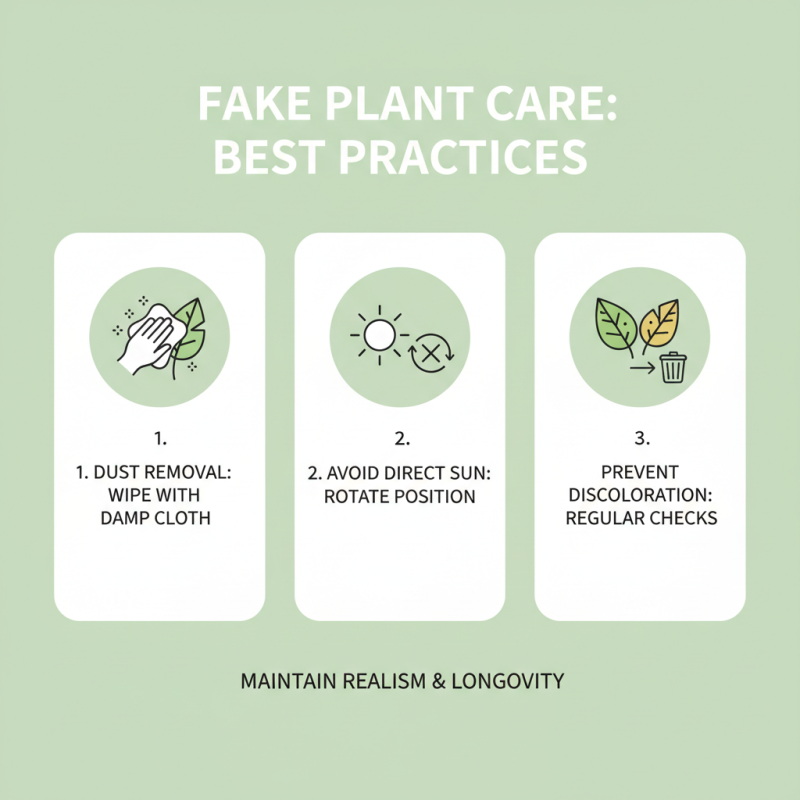
Maintaining fake plants can be surprisingly tricky. Dust can accumulate quickly, making them appear less realistic. Regular wiping with a damp cloth helps. Sometimes, you may notice unwanted discoloration. This can happen if they are placed in direct sunlight. Rotating their position can help preserve their color and overall look.
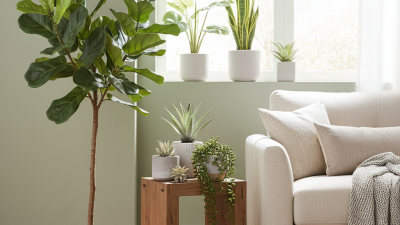
When displaying fake plants, think about composition. Grouping different sizes and textures can create a more dynamic display. Consider mixing faux and real plants for an organic feel. Be mindful of where you place them, too. Areas with high foot traffic might seem tempting but can lead to frequent dust buildup. Use soft lighting to enhance their visual appeal.
Lastly, remember that perfection is not the goal. Some fake plants may not look as lifelike as others. Embrace their quirks! A little imperfection can add character to your home decor. Reflect on how these elements fit your style and environment. Sometimes, less is more when it comes to decorating with greenery.