Top Tips for Choosing Exterior Artificial Plants for Your Home?
When enhancing the exterior of your home, selecting the right Exterior Artificial Plants is crucial. These plants can transform a dull space into a vibrant oasis. They provide an opportunity for creativity and personalization. However, making the right choice isn't always straightforward.
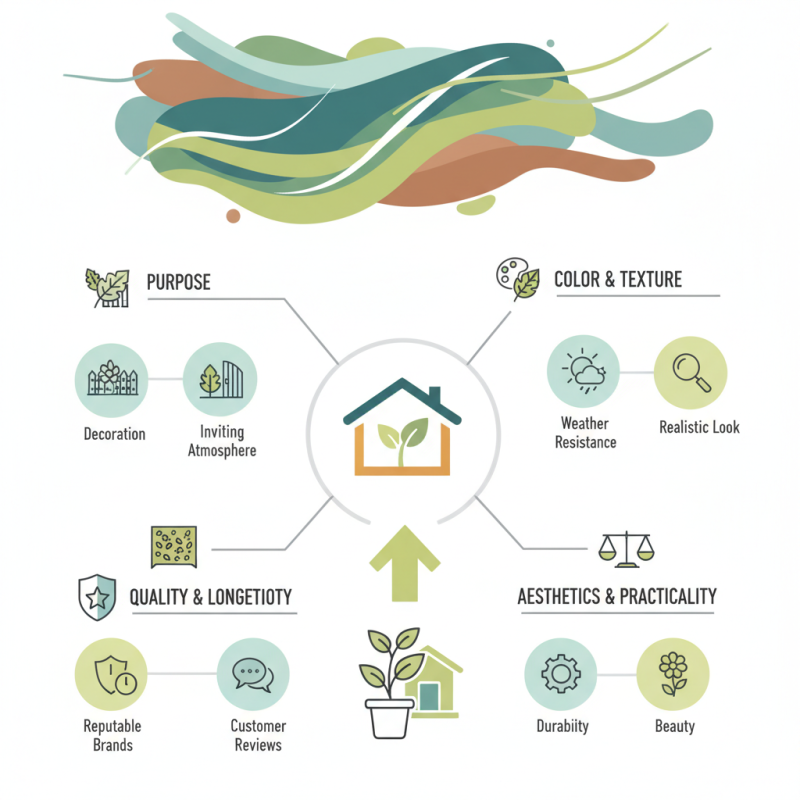
Consider the purpose of your plants. Do you want them for decoration, privacy, or to create an inviting atmosphere? Each need may suggest different plant types. Think about color and texture. Some materials might look realistic but may not withstand harsh weather conditions.
Finding high-quality Exterior Artificial Plants is essential for longevity. Research reputable brands. Read customer reviews. This can guide you in avoiding common pitfalls. Sometimes, the most pleasing option may not be the best long-term investment. Reflect on your choices. What might you need to adjust? Aim for balance between aesthetics and practicality. Your home deserves both beauty and durability.
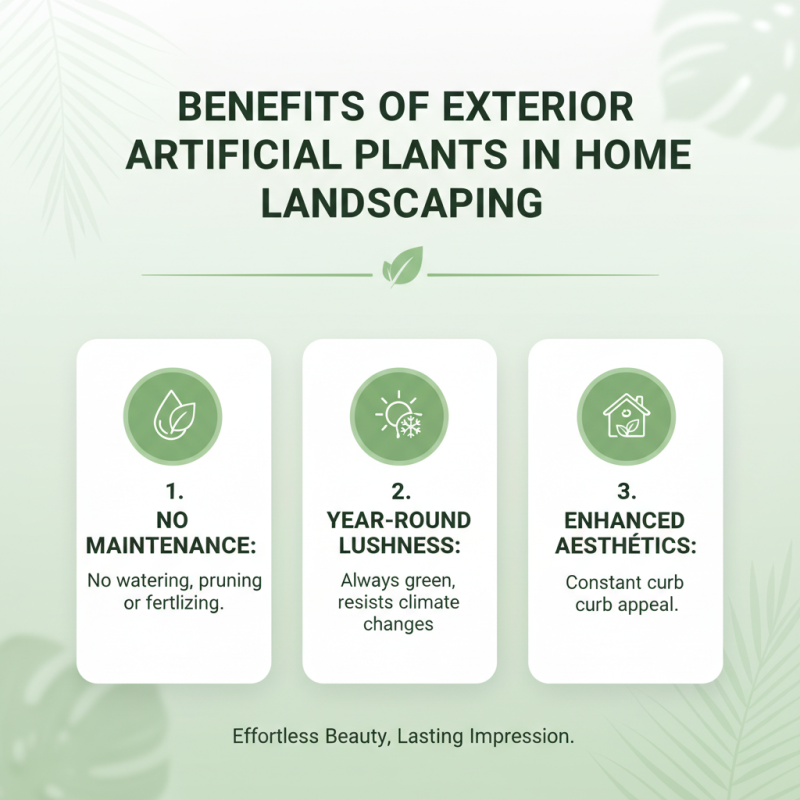
Benefits of Using Exterior Artificial Plants in Home Landscaping
When considering landscape design, exterior artificial plants offer numerous benefits. They provide vibrant aesthetics without the need for ongoing maintenance. These plants can stay lush and green year-round, regardless of climate conditions. This reliability enhances the overall look of your home and garden. You won’t need to worry about watering, pruning, or seasonal changes.
Choosing the right artificial plants requires some thought. Look for high-quality materials that mimic real foliage. Consider the size and scale. Larger plants can serve as focal points, while smaller ones can accent your overall design. Color is also crucial; look for shades that complement your home’s exterior. Don’t forget to consider UV resistance to prevent fading from sunlight.
Placement is key. Grouping plants in odd numbers can create a more natural look. Mixing different types of artificial plants adds texture and interest. Test different arrangements to find what resonates with your taste. It’s okay if it takes time to find the perfect combo. The process can be part of the fun in landscaping with artificial plants.
Factors to Consider When Selecting Quality Artificial Plants for Outdoors
When selecting quality artificial plants for outdoor use, consider the material. Look for UV-resistant options that withstand sunlight. High-quality plastics replicate real foliage. Some may fade over time, so check durability ratings.
The design matters too. Realistic textures and colors create a lifelike appearance. Pay attention to leaf shapes and vein details. Inconsistent designs can diminish the aesthetic. Choosing plants that suit your exterior style is crucial. Think about color schemes and planting arrangements.
Size is another key factor. Oversized plants can overwhelm small spaces. Conversely, small plants may get lost in large areas. Measure your space before buying. Consider maintenance as well. Some artificial plants require occasional cleaning. Evaluate your lifestyle and choose accordingly. This may lead to frustration if you can't keep up with upkeep.
Environmental Impact and Sustainability of Artificial vs. Natural Plants
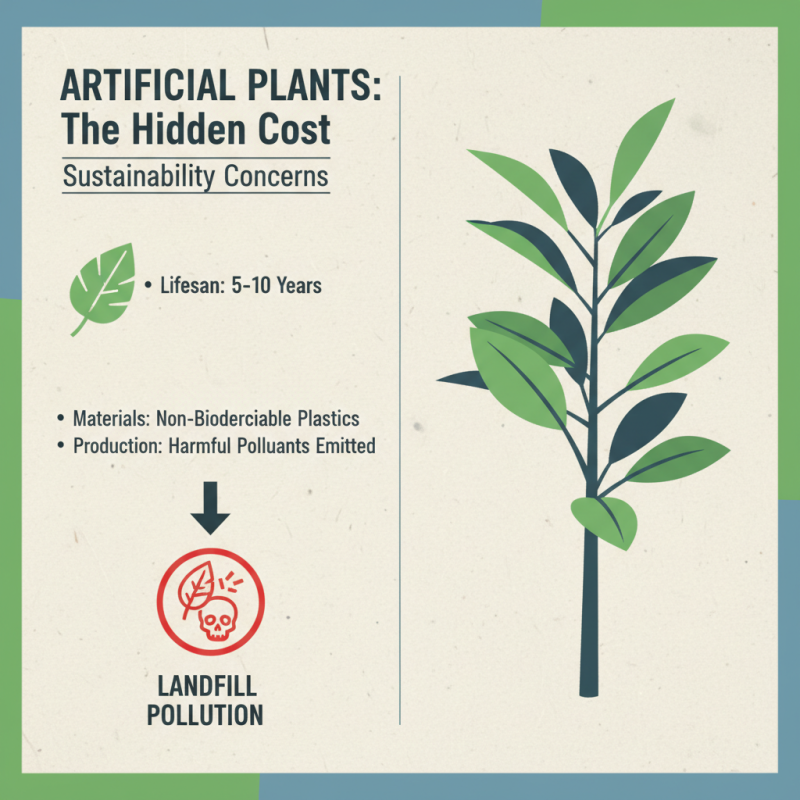
When considering artificial plants, it's vital to reflect on their sustainability. A report from the National Institute of Environmental Health revealed that artificial plants can last for five to ten years. However, they are often made from non-biodegradable materials like plastic. This raises concerns about their environmental impact. Many consumers may not realize that the production process for these items can emit harmful pollutants.
On the other hand, natural plants contribute positively to our environments. They improve air quality and support biodiversity. A study by the University of California showed that living plants absorb CO2 and produce oxygen, benefiting indoor air. Yet, they require water and maintenance, which can lead to resource depletion. Choosing artificial plants can reduce water usage, but they lack the eco-friendliness of their natural counterparts.
Not all artificial plants are created equal. Some manufacturers use recycled materials, minimizing waste. Understanding the life cycle of both types of plants is essential. Statistics show that only 9% of plastic is recycled globally. Thus, while artificial plants can be practical, it remains crucial to evaluate their long-term environmental effects carefully. Balancing aesthetics and sustainability is a challenge that many homeowners face today.
Comparative Analysis of Material Types for Durable Outdoor Artificial Flora
When selecting exterior artificial plants, it’s crucial to analyze the material types for longevity and realistic appearance. A recent survey shows that over 70% homeowners prefer UV-resistant fabrics, which can withstand harsh sunlight without fading. Materials like polyethylene are favored for their durability. They resist water and do not degrade easily, making them suitable for outdoor use. On the other hand, materials like silk may appear more lifelike but often fade and wear out faster.
Consider the environment where these plants will be displayed. For windy areas, heavier materials like resin can be more practical as they won’t topple easily. However, lighter options might be preferable for areas requiring regular rearranging. Depending on the local climate, select materials that resist moisture and temperature fluctuations. This can significantly impact the longevity of your plants.
Lastly, use these tips when making a choice: always check for warranties that indicate quality, and compare how different materials age in various conditions. Visual appearance isn’t everything; think about maintenance. Weigh the cost against how often these pieces need replacement. Reflecting on these factors can help ensure your outdoor space remains vibrant and appealing year-round.
Comparative Analysis of Artificial Plant Materials for Outdoor Durability
Trends in Design: Integrating Artificial Plants into Modern Home Exteriors
Incorporating artificial plants into modern home exteriors has become a powerful design trend. Many homeowners seek low-maintenance options that bring life and color to outdoor spaces. According to a recent industry report, nearly 40% of homeowners have considered using artificial plants for their exteriors. This shift is largely due to the durability and resilience that synthetic flora can offer.
When selecting exterior artificial plants, consider the local climate and exposure to the elements. UV-resistant products can withstand sun damage and retain their vibrant colors for years. Additionally, choose materials that mimic natural textures and colors. A realistic appearance greatly enhances the overall design. It’s essential to blend artificial plants with existing landscaping for a cohesive look.
Tips for choosing the right options include evaluating the scale of the plants in relation to your home. Pair larger artificial trees with spacious areas. For smaller spaces, opt for compact plants that don’t overwhelm. Utilize varying heights and textures to create visual interest. Remember, the goal is to enhance your outdoor aesthetic while maintaining a balance between natural and artificial elements.