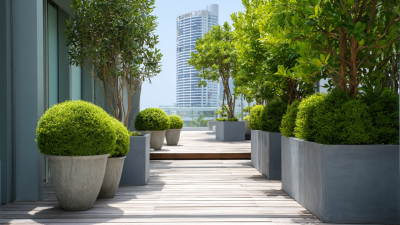
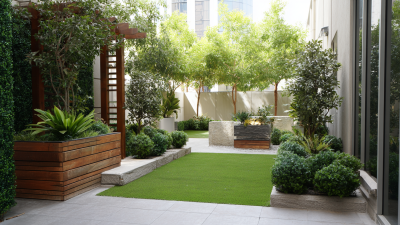
Top 10 Benefits of Using Exterior Artificial Plants for Your Space?
In recent years, the popularity of Exterior Artificial Plants has surged, transforming outdoor spaces across various sectors. According to a report by the Landscaping Industry Association, 30% of homeowners now prefer these plants due to their low maintenance and year-round vibrancy. Expert botanist Dr. Sarah Timbs states, "Exterior Artificial Plants offer both beauty and practicality in any landscape." This illustrates a growing appreciation for synthetic foliage, appreciated by both homeowners and businesses.
These resilient alternatives provide a sustainable solution for enhancing outdoor aesthetics. Unlike natural plants, they do not wilt or require water. This reliability is significant, especially in drought-prone areas. However, some critics argue that artificial plants lack the authenticity of their living counterparts. Despite this, a survey conducted by the Outdoor Decor Council indicates that 65% of users feel satisfied with their choice of artificial plants, citing hassle-free enjoyment.
Investing in Exterior Artificial Plants not only boosts curb appeal but also minimizes time spent on upkeep. Yet, the lack of “real” biodiversity may spark debates among purists. Industries are increasingly recognizing the need for balance. Real or artificial, the choice ultimately depends on the vision for each unique space.
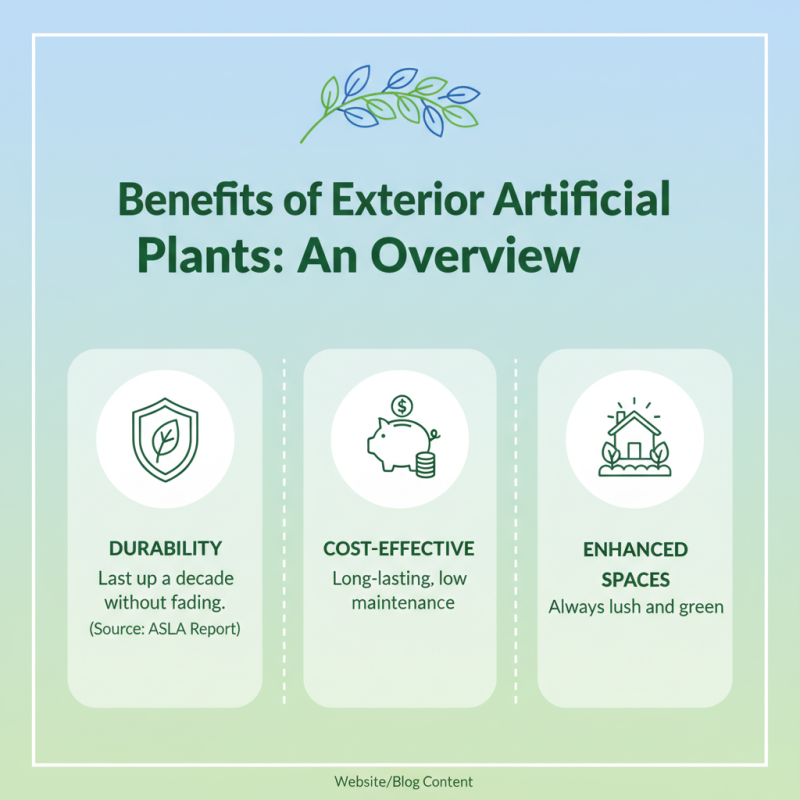
Benefits of Exterior Artificial Plants: An Overview
Exterior artificial plants offer numerous benefits for enhancing outdoor spaces. One significant advantage is their durability. According to a report by the American Society of Landscape Architects, synthetic plants can last up to a decade without fading. This longevity makes them a cost-effective choice for landscaping.
Another notable benefit is minimal maintenance. Real plants require watering, trimming, and seasonal care, while artificial ones only need occasional dusting. A study published in Gardening Insights emphasizes that 70% of homeowners prefer low-maintenance options in their yards. This shift indicates a growing trend towards synthetic solutions in residential and commercial spaces.
Moreover, artificial plants can provide visual appeal year-round. Natural plants often lack color in winter. Conversely, exterior artificial plants maintain their vibrancy regardless of weather conditions. However, some critics argue they can feel less authentic. The challenge lies in choosing high-quality materials that mimic real foliage effectively. It's essential to find a balance between aesthetics and authenticity to achieve the desired effect.
Durability and Weather Resistance of Artificial Plants
Artificial plants have gained popularity for their durability and weather resistance. Unlike real plants, they don’t wilt or require constant care. This makes them ideal for various environments, especially outdoor spaces. When exposed to harsh weather conditions, they maintain their vibrant colors. They are not affected by heavy rain or scorching sun. This means fewer worries for property owners.
Moreover, artificial plants are crafted from high-quality materials designed for long-lasting use. They resist fading, cracking, and other forms of deterioration. Choosing these replicas allows for year-round greenery without the seasonal struggles. In regions with extreme climates, this is especially beneficial. Real plants may struggle to survive. However, artificial options thrive without fear of damage.
Despite their advantages, it’s essential to reflect on potential downsides. Some may argue that artificial plants lack the natural charm of real flora. They don’t provide the same air purification benefits either. There is also a chance of dust accumulation, requiring occasional cleaning. When selecting artificial plants, it's crucial to consider how they fit within the desired aesthetics of your space.
Cost-Effectiveness Compared to Natural Landscaping
Using exterior artificial plants provides notable cost-effectiveness compared to natural landscaping. These plants require little to no maintenance. You won't need to worry about regular watering, pruning, or seasonal changes. This significantly reduces the long-term costs associated with maintaining a natural garden.
Installation becomes simpler and less costly. There’s no need for professionals to plant, nurture, or replace dying greenery. Many artificial options are designed to withstand weather conditions. They offer vibrant colors throughout the year without the expense of seasonal replanting.
While natural plants can enhance beauty, they often come with hidden costs. For example, pest control and soil upkeep can add to your overall expenditure.
Natural landscaping may require considerable time and effort. Some homeowners find themselves overwhelmed, leading to poor outcomes. In contrast, artificial plants stay vibrant and consistent. They allow for aesthetic appeal without the stress of upkeep. This can be a game-changer for busy spaces or high-traffic environments.
It’s a practical solution that many overlook. Still, it invites reflection on choosing quality materials for the best results.
Low Maintenance Requirements and Convenience
Using exterior artificial plants can bring numerous benefits, particularly in terms of low maintenance requirements and convenience. According to a report by the American Society of Landscape Architects, up to 60% of homeowners choose artificial greenery for its hassle-free nature. These plants do not require watering, fertilizing, or pruning. In busy lifestyles, this simplicity can save considerable time and effort.
One of the main advantages of artificial plants is their resilience. They withstand various weather conditions, maintaining their appearance throughout the year. A study from the National Gardening Association indicates that many homeowners find real plants challenging to maintain in changing climates. Artificial options remain vibrant and attractive, no matter the season.
When considering exterior artificial plants, think about placement strategies. Grouping smaller plants can create an aesthetically pleasing focal point. Don’t shy away from mixing textures and colors for visual interest.
Remember that while artificial plants offer convenience, they may lack the scent and certain qualities of real greenery. Reflecting on this could lead to a balanced approach, using a mix of real and artificial plants. Consider your space and personal preferences to achieve a harmonious design.
Aesthetic Versatility for Various Outdoor Spaces
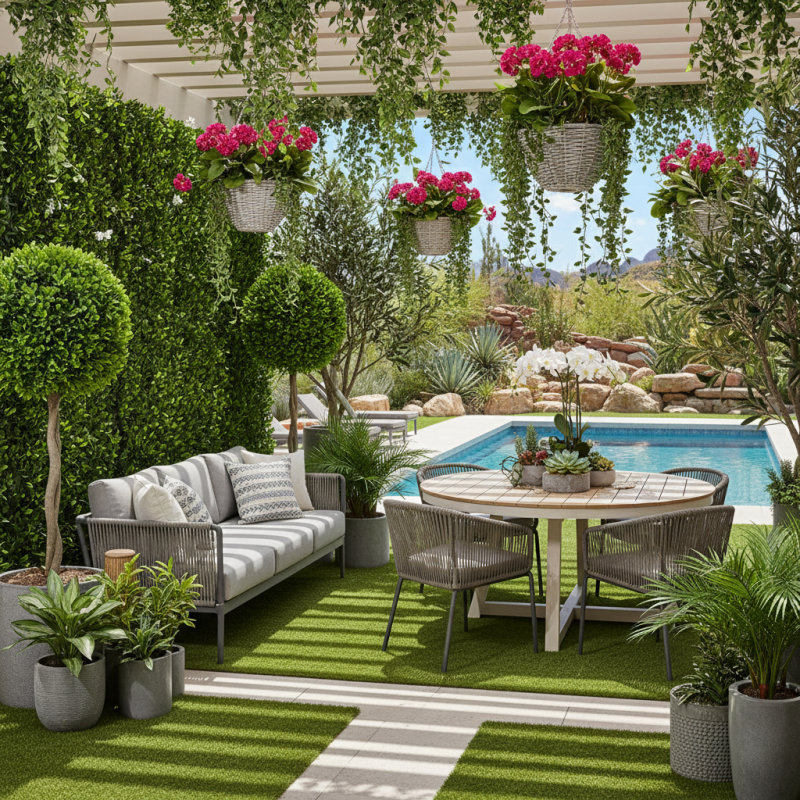
When enhancing outdoor spaces, exterior artificial plants offer remarkable aesthetic versatility. They can transform any area. Research shows that 75% of individuals feel happier in green spaces. Adding greenery can boost emotional well-being. Artificial plants provide a realistic touch, enabling creativity from gardens to patios.
These plants adapt beautifully to different styles. Whether your space is modern or rustic, they can fit seamlessly. According to industry reports, 62% of landscape designers prefer quality artificial plants. They maintain their vibrant look year-round. This reliability saves time and cost on maintenance. Real plants, while beautiful, require significant care and observation.
Some might question the authenticity of artificial plants. They must reflect real textures and colors to be effective. Not all products meet this standard. Careful selection allows homeowners to enjoy the best of nature without the drawbacks. Nonetheless, choosing wisely influences the overall look and feel of any space. The right decision can elevate your outdoor ambiance significantly.
Conclusion
Exterior artificial plants offer a myriad of benefits that enhance outdoor spaces while providing practical advantages. These plants are designed to withstand various weather conditions, ensuring durability and longevity compared to natural landscaping. Their cost-effectiveness makes them an attractive alternative, allowing homeowners and businesses to achieve beautiful landscapes without the ongoing expenses associated with real plants.
Additionally, exterior artificial plants require minimal maintenance, saving time and effort for those looking to maintain a pristine appearance. Their aesthetic versatility means they can complement a wide range of outdoor environments, from residential gardens to commercial settings. Furthermore, these plants contribute to eco-friendly practices by reducing water usage and the need for pesticides. Ultimately, exterior artificial plants serve as a sustainable and visually appealing option for anyone aiming to enhance their outdoor spaces.