Leave Your Message
- Phone
- E-mail
- Whatsapp
- Whatsapp

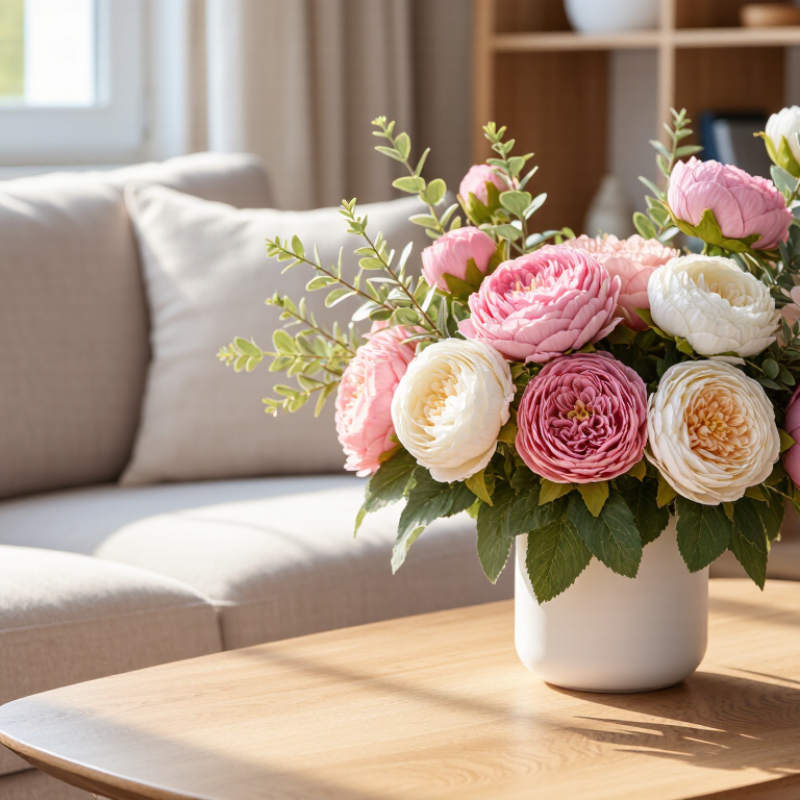
Choosing reliable China suppliers for Artificial Floral Arrangements For Home requires more than attractive catalog photos. Buyers must examine materials, craftsmanship, customization, and shipping consistency. A realistic arrangement should show natural color variation, flexible stems, layered petals, and believable foliage. Perfect symmetry can look artificial in the wrong way.
Floral designer Paula Pryke offers a useful principle: “Flowers should look as if they belong in the space, not merely fill it.” This idea matters when evaluating Chinese manufacturers. Strong suppliers study interior styles, seasonal palettes, and room proportions. They do not simply produce crowded bouquets with excessive glitter or plastic shine.
This guide introduces leading Chinese suppliers serving homes, hotels, retailers, and interior design projects. It considers silk flowers, preserved-style displays, tabletop arrangements, wall pieces, and custom wedding décor. Product photography matters, but physical samples matter more. Ask about fabric composition, colorfastness, stem wiring, fire-safety information, packaging tests, and minimum order quantities.
Details reveal experience.
A dependable supplier should answer clearly and provide consistent specifications. Factory audits, verified business records, export experience, and customer references add useful confidence. Still, no supplier is perfect. Some companies offer excellent design but limited quality control. Others provide stable production but lack creative flexibility.
Buyers should compare samples under daylight and warm indoor lighting. Check whether petals crease easily, whether the base remains stable, and whether leaves shed during handling. These small tests often expose larger weaknesses. The best China suppliers balance visual realism, practical durability, responsive communication, and reasonable pricing. This article helps buyers make that comparison with fewer assumptions and more evidence.
China Top Artificial Floral Arrangements For Home Suppliers
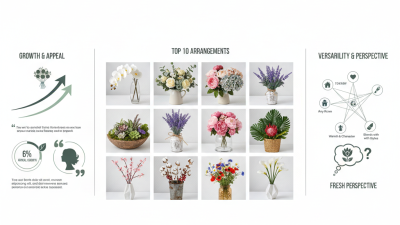
Artificial floral arrangements combine visual design with practical material choices. Common materials include polyester or silk-like fabric, plastic, paper, and wire stems. Fabric petals can show fine color gradients, while molded plastic often holds shape in humid rooms. A ceramic-style pot, foam base, and concealed wire support complete many home arrangements. Details matter. Check petal edges, stem joints, color transfer, and the stability of the base before approving a sample. Grand View Research estimated the global artificial flowers market at about US$1.3 billion in 2023, with projected growth through 2030. This market estimate signals demand, but it does not guarantee quality or sales for any supplier.
Types range from compact tabletop bouquets to tall floor arrangements, wreaths, and hanging greenery. For customs planning, HS heading 6702 covers artificial flowers, foliage, fruit, and parts, including certain articles made from them. The exact subheading can depend on construction and material, so confirm classification against the importing country’s current tariff schedule. Incorrect assumptions can delay clearance. Keep product descriptions, material lists, and clear photographs together when requesting a tariff review.
Tips: Ask suppliers for close-up sample photos and a finished-product sample. Measure the arrangement in its shipping carton, not only in a vase. Record the main materials and intended use on commercial documents, then have a customs broker verify the applicable code. Small inconsistencies happen; correct them before shipment.
| Arrangement Type | Common Materials | Typical Construction | Common Home Uses | Care and Practical Notes | HS Heading Reference |
|---|---|---|---|---|---|
| Mixed seasonal bouquet | Polyester or other textile petals; plastic stems and leaves; wire supports | Several flower varieties grouped and secured with a tie or wrap | Vases, dining tables, entryways, and seasonal displays | Dust gently; keep away from prolonged direct sunlight to reduce fading | 6702.90 may apply to artificial flowers made of textile or other non-plastic materials; classification depends on the article's materials |
| Single-variety rose bouquet | Textile or plastic petals; plastic or coated-wire stems; synthetic leaves | Multiple rose stems arranged together, sometimes with decorative wrapping | Living rooms, bedrooms, gifts, and table centerpieces | Shape flexible stems by hand; avoid excessive bending at the flower heads | 6702.10 for qualifying articles of plastics; 6702.90 for qualifying articles of other materials |
| Silk-look hydrangea arrangement | Polyester textile flower heads; plastic foliage; wire or plastic stems | Large clustered flower heads arranged in a compact bouquet | Vases, shelves, wedding-style home décor, and focal displays | “Silk flower” is a common retail description; many such flowers are made from polyester rather than silk | Often 6702.90 when made from textile materials; confirm the composition of the finished article |
| Artificial orchid display | Plastic or textile petals; molded plastic leaves; wire-supported stems | One or more flowering stems, sometimes presented with a pot or base | Desks, side tables, bathrooms, and low-maintenance décor | Wipe leaves with a soft, slightly damp cloth; keep any included container dry as appropriate | 6702.10 or 6702.90 may be relevant to the artificial flower article; an included pot or other components may affect classification |
| Artificial greenery and foliage arrangement | Plastic leaves, textile foliage, wire, and sometimes paper or other support materials | Leafy stems grouped in a vase or assembled as a standalone display | Shelves, mantels, entry tables, and spaces with limited natural light | Remove dust regularly; material and finish determine suitable cleaning methods | Heading 6702 covers artificial foliage and parts as well as artificial flowers; subheading depends on material |
| Wreath or wall arrangement | Plastic or textile flowers and foliage; wire frame; natural or synthetic base materials | Flowers and leaves attached to a circular or shaped support | Doors, walls, mantels, and seasonal home decoration | Check the frame and attachment method for indoor or sheltered-use suitability | 6702 may cover qualifying artificial flowers, foliage, and related articles; the finished composition should be reviewed |
| Table centerpiece | Mixed plastic and textile flowers; plastic foliage; wire stems; optional foam or other support | Low-profile arrangement designed to sit in a container or on a base | Dining tables, coffee tables, and reception areas at home | Confirm whether a container or decorative base is included when comparing product specifications | 6702.10 applies to qualifying articles of plastics; 6702.90 applies to qualifying articles of other materials |
| Mini potted floral arrangement | Plastic or textile flowers; plastic foliage; pot or container; optional filler material | Flower stems fixed into a small pot, often with a concealed support | Windowsills, desks, bookshelves, and small decorative spaces | Product contents vary; check whether the pot, filler, or other parts are included | Classification of a composite product may depend on its components and presentation; verify the applicable tariff treatment |
HS heading 6702 covers artificial flowers, foliage and fruit, and parts thereof; subheading 6702.10 identifies articles made of plastics, while 6702.90 covers other materials. The correct tariff classification of a finished arrangement can depend on its materials, components, and presentation. Confirm the applicable national tariff schedule and customs requirements before shipment.