Top Tall Artificial Plants for Global Buyers at Canton Fair 2026?
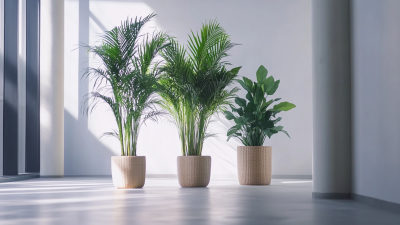
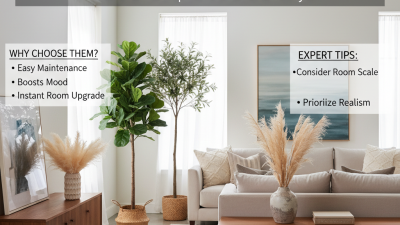
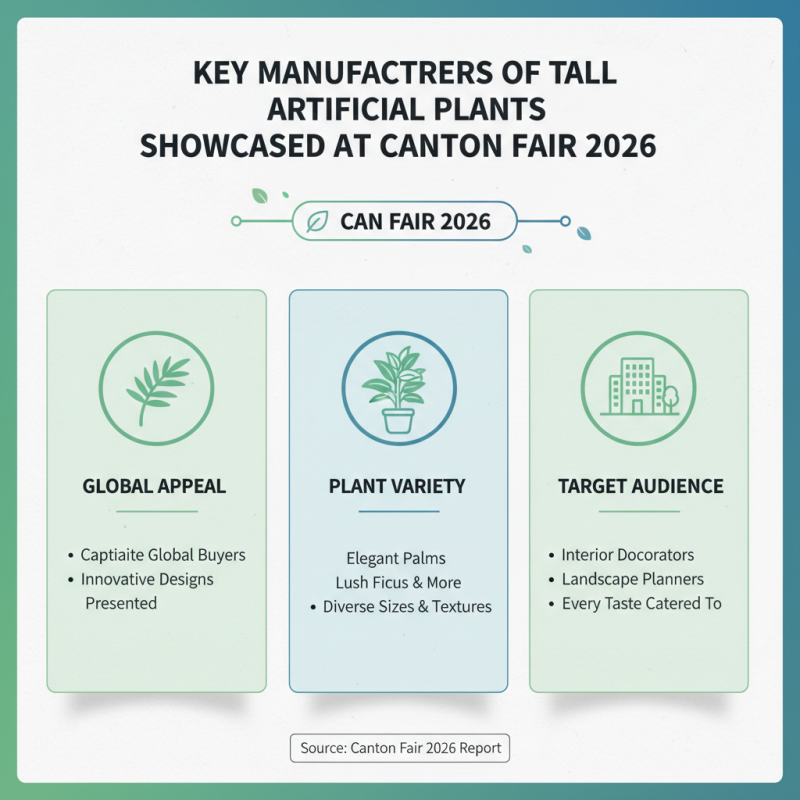
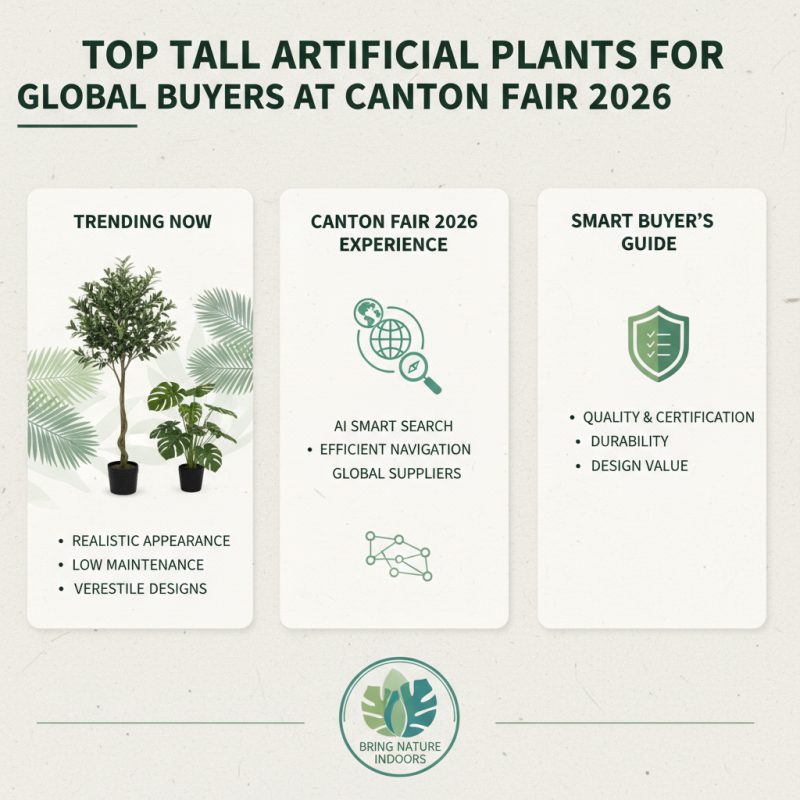
As the 2026 Canton Fair approaches, global buyers are set to discover an exciting showcase of products, including Tall Artificial Plants. These plants are gaining popularity due to their realistic appearance and low maintenance. At the fair, visitors can explore various designs that suit different decor styles.
Artificial plants enhance indoor spaces, bringing the beauty of nature indoors. Buyers will have the opportunity to find unique varieties that can transform any environment. The fair’s introduction of AI smart search and navigation will help buyers quickly identify suppliers specializing in high-quality Tall Artificial Plants.
While the selection is vast, it’s essential to consider factors like quality and certification. Not all products will meet the expected standards. Buyers should reflect on their choices and ensure they invest in pieces that truly add value. The fair promises an efficient experience in navigating through its extensive displays, making it easier than ever to find the perfect Tall Artificial Plants.
Top Trends in Tall Artificial Plants for 2026 Canton Fair
As the 2026 Canton Fair approaches, tall artificial plants are gaining attention. This trend reflects a growing demand for greenery in urban spaces. According to recent industry reports, the global artificial plant market is projected to reach $1.25 billion by 2026, highlighting the increasing popularity of these products. Many buyers appreciate the low maintenance and durability of tall artificial plants. They provide a touch of nature with none of the hassle.
Several styles are emerging in 2026, driven by aesthetic demands and functional needs. For instance, minimalist designs are often sought after. These plants can enhance modern interiors without overwhelming them. Additionally, a shift towards sustainability in design produces a range of eco-friendly options. Buyers often look for products made from recyclable materials. Such choices reflect a growing awareness about environmental impacts. Yet, some buyers may question the longevity and quality of less expensive options.
The color palette is also evolving, moving towards bolder greens and vibrant hues. This aligns with trends in biophilic design, which emphasizes connections to nature. While tall artificial plants provide visual interest, some might find it challenging to integrate them effectively in diverse settings. Balancing aesthetics with practicality remains a crucial point for buyers at the fair. The variety available promises exciting possibilities, but potential buyers must consider their unique needs carefully.
Market Analysis: Demand for Artificial Plants in Global Trade
The market for artificial plants is booming globally. Recent reports indicate that the industry is projected to grow at a CAGR of 6.5% through 2028. This rise is due to increasing demand from various sectors, including interior design, hospitality, and retail. Many consumers prefer artificial plants because they require low maintenance and longevity.
Sustainability concerns are also driving growth. The shift towards eco-friendly products is influencing purchasing decisions. In fact, about 45% of buyers consider energy-efficient and non-toxic materials crucial. However, sourcing and manufacturing challenges persist. Quality control remains a significant issue. Many buyers report inconsistencies in product quality from different suppliers.
The trend is evident at trade fairs like Canton Fair. Buyers seek innovative designs that replicate real plants. Interest in tall artificial plants is particularly high. They are seen as eye-catching centerpieces that enhance space aesthetics. However, as the market becomes saturated, differentiation will be key. Buyers must evaluate their options carefully to ensure they select products that stand out.
Innovative Designs and Materials in Tall Artificial Plants
The Canton Fair 2026 promises an exciting showcase of tall artificial plants designed for diverse buyers. Innovative designs are making waves this year, with a focus on materials that mimic nature. These plants can be crafted from eco-friendly materials. This is critical for sustainability.
Consider exploring varieties that feature vibrant colors and realistic textures. Look for designs that combine different plant types for a dynamic look. It's fascinating how interspersed foliage can create depth. Buyers are keen on styles that fit both modern and traditional spaces.
Tips: Choose plants with sturdy bases. This ensures they maintain balance. A tall artificial plant should be an eye-catching piece, not a falling hazard. Additionally, think about the setting. Some buyers overlook the importance of scale in decor. A perfectly designed plant can feel out of place in a cramped room.
Attention to detail is essential. Some plants may appear too glossy, making them look artificial. Striking a balance between vibrant and subdued colors can create harmony. Embrace imperfections in design; they often tell a story.
Top Tall Artificial Plants at Canton Fair 2026
Sustainability Practices in the Artificial Plant Industry for 2026
As the global demand for artificial plants grows, sustainability has become a key focus. The need for eco-friendly materials is increasing. Manufacturers are exploring innovative methods to create artificial plants that are both appealing and sustainable. Natural fibers, recycled plastics, and biodegradable materials are drawing attention. These choices are vital, as the pressure to reduce waste intensifies.
In the artificial plant industry, transparency is crucial. Many consumers now prioritize sustainability over convenience. However, challenges remain. Not all manufacturers are adopting green practices. Some continue to rely on harmful materials. Education on these issues is essential. Buyers must question the origins of products they choose. Businesses should tone down the marketing hype and provide honest insights.
Investing in sustainable practices requires effort. Companies must rethink their supply chains and production methods. While some strides have been made, the journey is ongoing. Ongoing research and development can lead to improvements. The future of artificial plants lies in balancing aesthetics with environmental responsibility.
Top Tall Artificial Plants for Global Buyers at Canton Fair 2026? - Sustainability Practices in the Artificial Plant Industry for 2026
| Plant Type |
Height (cm) |
Material Used |
Sustainability Certification |
Price Range (USD) |
| Fiddle Leaf Fig |
150 |
Polyethylene |
ISO 14001 |
50-70 |
| Rubber Plant |
120 |
PVC |
FSC Certified |
40-60 |
| Bamboo Palm |
200 |
Silk |
Green Seal |
80-100 |
| Dracaena |
150 |
Polyester |
EcoCert |
60-80 |
| Monstera Plant |
180 |
Vinyl |
Sustainable Choice |
70-90 |