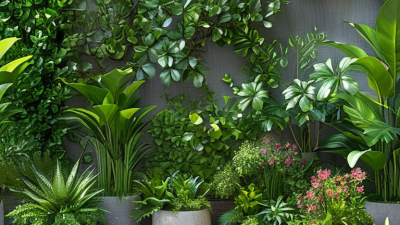
Artificial Green Plants For Outside are lifelike decorative plants made to bring lasting greenery to patios, balconies, entryways, and commercial landscapes. Unlike living plants, they need no watering or pruning. Still, outdoor use is not entirely effortless. Sunlight can fade leaves, wind can tip lightweight planters, and poor drainage can leave water trapped around the base. A realistic choice starts with the setting: note how many hours of direct sun reach the spot, whether it is exposed to gusts, and how close it sits to doors or walkways.
For a transparent illustrative expert voice, outdoor décor consultant Mara Chen might put it this way: “Choose for the conditions first; realism matters most when the plant still looks right after a season outdoors.” This is an original illustrative quotation, not a verified statement from a real industry professional. Look for UV-resistant foliage, sturdy stems, and a stable planter, then compare the plant’s color and leaf shape with nearby natural greenery. A narrow fern beside a shaded porch may look convincing, while glossy tropical leaves can feel out of place in a dry, windy corner. Details matter.
There is a trade-off. Even quality artificial plants can collect dust, and no finish stays perfect forever. Wipe the leaves occasionally, check the base after storms, and inspect fading as the seasons change. This guide explains what these plants are, which materials and designs suit different outdoor spaces, and what to check before buying. It also considers the limits—not every “outdoor” label tells the whole story.
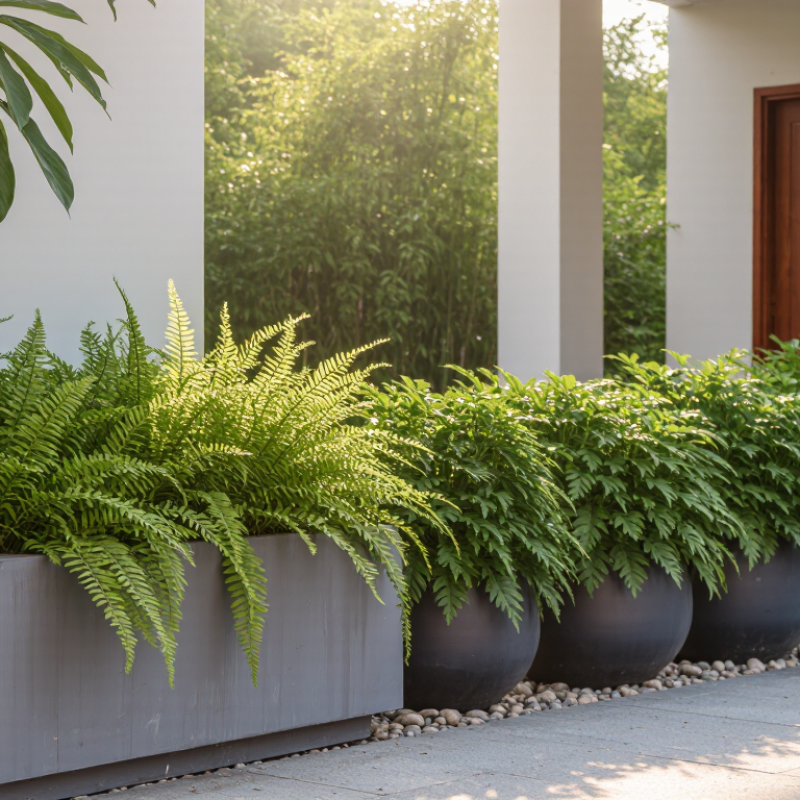
Artificial green plants for outside are manufactured foliage designed to stay decorative in exposed or partly exposed spaces. They commonly use molded plastic leaves, synthetic stems, and a frame or planter. Unlike living plants, they need no soil, watering, or sunlight to remain green. Their purpose is visual consistency, especially on balconies, patios, entryways, and shaded walls. Look for products specifically labeled for outdoor use. Indoor foliage may fade, crack, or become brittle after prolonged sun and rain.
Key features include UV-resistant materials, secure leaf attachments, and construction that allows water to drain rather than collect. Check the frame and fasteners, too; exposed metal can corrode, and strong gusts can loosen lightweight panels. Some foliage has varied leaf shapes and muted color tones, which can look more natural up close. Still, it may appear repetitive from a short distance. Dust and pollen also settle on the leaves, so occasional rinsing and inspection help keep them presentable. No artificial plant is truly weatherproof forever. Before installation, consider direct afternoon sun, wind exposure, and whether the mounting surface can support its weight.
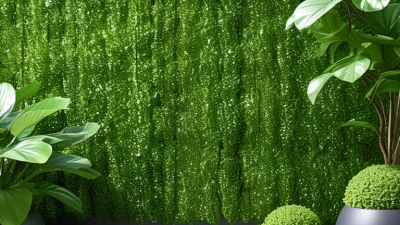
Artificial green plants for outside are built to withstand sunlight, rain, and everyday handling. Their performance depends on more than realistic color. The leaves, stems, joints, and supporting base all face different kinds of exposure.
Many outdoor leaves are molded from polyethylene or polypropylene, sometimes with UV-resistant additives to slow fading and brittleness. These treatments help, but they do not make foliage immune to prolonged sun. Check that leaves feel securely attached and do not crack when gently bent. Details matter. Thin plastic can look convincing at first, then lose color on a bright, exposed balcony.
Inside each branch, flexible wire helps shape the plant and hold its position in wind. A sturdy trunk or frame reduces wobbling, while a weighted planter can improve stability. For arrangements exposed to rain, drainage openings matter: trapped water may add weight or encourage grime around the base. Still, water can collect inside hollow stems if their openings face upward. That part is easy to overlook.
Outdoor-rated fabric may be used for softer leaves, but it can absorb moisture and take longer to dry. Materials also age unevenly; a shaded lower branch may stay vivid while the top fades. No construction avoids all wear. Rotate the plant occasionally, rinse away dust, and inspect its connections after strong weather.
Artificial green plants for outside are made to bring leafy color to patios, balconies, and entryways without regular watering. Many use plastic leaves and flexible stems, while better-finished options may include UV-resistant materials to slow fading. Outdoor use still takes a toll. Sun, wind, and heavy rain can shorten their useful life.
Common choices include potted shrubs, boxwood-style topiary, hanging vines, and artificial grasses. Low shrubs can soften a bare doorstep or fill gaps beside a walkway. Tall grasses work well in narrow planters, where real plants might struggle with limited soil. Hanging vines add coverage to a balcony rail or pergola. They look tidy. Sometimes too tidy.
For exterior spaces, match the plant’s scale to its setting. A compact fern can suit a shaded porch, while a dense hedge panel offers privacy along a small terrace. Secure lightweight pots so gusts cannot tip them, and avoid placing foliage where it blocks steps or drains. Check the product’s outdoor-use guidance before buying; not every artificial plant handles direct sun or wet weather equally well. Colors can fade unevenly, too, especially on exposed leaf edges. That detail is easy to miss. Cleaning dust with a soft brush or damp cloth helps the foliage look more natural, though a little visible wear may remain.
Artificial outdoor greenery includes UV-resistant foliage designed for exterior use. This qualitative guide compares how commonly used types may suit covered patios, partially sunny areas, and full-sun locations. Ratings are general guidance, not measured product-performance data; check each product’s outdoor and UV-resistance specifications.
Scale: 1 = limited suitability; 5 = generally well suited when made for outdoor use. Hedge panels and topiary are often used for screening and structure, while grasses, flowers, and hanging foliage add decorative accents.
Artificial green plants can brighten a patio, but outdoor conditions should guide the choice. Check the product details for outdoor use and UV resistance. Strong afternoon sun can fade ordinary plastic leaves, sometimes unevenly. Shade helps. On a covered porch, less weather-resistant foliage may last longer, while exposed spaces need sturdier materials.
Wind matters as much as sunlight. Lightweight stems can bend or blow loose, and dense arrangements may catch gusts. Choose a heavy planter or secure the insert inside one. For rainy areas, look for foliage that drains easily and pots with drainage holes. Standing water can stain surfaces or encourage mildew around trapped debris. That detail is easy to miss.
Heat can also affect artificial greenery, especially near glass, dark walls, or grills. Check any temperature guidance, and avoid placing leaves where they touch hot surfaces. Compare samples outside before buying; colors can look different in daylight. I would still expect some fading over time, even with UV-resistant materials. Rinse dusty leaves gently and inspect ties after storms. A little upkeep helps, though it will not make outdoor foliage maintenance-free.
| Artificial Greenery Type | Typical Outdoor Use | Best-Suited Conditions | What to Check When Choosing | Care and Placement Tips |
|---|---|---|---|---|
| Artificial boxwood panels or hedges | Privacy screens, fences, balconies, and patio dividers | Partly sunny or shaded areas; UV-rated versions are a better choice for regular direct sun | Look for UV-stabilized foliage, a sturdy backing grid, secure leaf attachments, and a stated outdoor-use rating | Fasten panels securely against wind. Rinse off dust occasionally and check ties or fixings after storms. |
| Artificial ornamental grasses | Planters, borders, entryways, and mixed container displays | Open, sunny areas when made with UV-resistant materials; sheltered positions help reduce wind damage | Choose flexible, securely attached blades and a weighted or well-anchored base. Confirm that the pot has drainage if it will collect rainwater. | Position away from strong gusts where possible. Remove debris from the foliage and avoid leaving water trapped in the container. |
| Artificial succulents | Small pots, tabletop displays, covered balconies, and outdoor arrangements | Bright patios and sheltered outdoor areas; direct sun tolerance depends on the product's UV protection | Check that the leaves and coloring are intended for outdoor exposure and that the arrangement can drain rather than hold rainwater | Use a sheltered spot in severe weather. Clean gently with a soft brush or a light rinse, following the product's care instructions. |
| Artificial trailing vines | Railings, pergolas, trellises, and covered walls | Mostly shaded or covered locations; exposed, windy, or very sunny sites need outdoor-rated foliage and secure attachment points | Look for UV-resistant leaves, durable connectors, and a design that can be firmly tied or clipped in place | Secure the vine at several points so it cannot flap in the wind. Inspect regularly for loose sections and accumulated dirt. |
| Artificial topiary shapes | Doorways, garden paths, patios, and formal container displays | Sunny or shaded settings, provided the foliage is rated for the expected exposure; sheltered positions protect the shape from strong wind | Check the frame's stability, the density of the foliage, the quality of the outdoor finish, and whether the base can be anchored | Place in a heavy planter or secure the base. Brush foliage back into shape and remove standing water from the planter. |
| Artificial palms and broad-leaf plants | Covered patios, poolside seating areas, and sheltered outdoor corners | Best in protected areas; prolonged direct sunlight and strong wind can fade or stress products not designed for outdoor use | Choose outdoor-rated leaves with UV protection, a strong central support, and a stable, weighted pot | Keep away from exposed, gusty locations. Rinse off dust as needed and let the foliage dry thoroughly. |
| Artificial flowering plants with green foliage | Window boxes, porch planters, and seasonal patio displays | Covered or partly shaded areas are generally less demanding; use UV-rated products for sunny locations | Check both flower and leaf materials for outdoor suitability, since colors may fade at different rates | Secure the arrangement against wind, clean gently, and replace or reposition pieces if noticeable fading occurs. |
What Are Artificial Green Plants for Outside?
Cleaning, Maintenance, and Expected Lifespan of Outdoor Artificial Plants
Outdoor artificial plants need less care than living greenery, but they are not maintenance-free. Dust, pollen, and bird droppings can collect on leaves and make them look dull. Dust builds up fast. Rinse the foliage gently with a garden hose or wipe it with a damp cloth. For stubborn marks, use mild soapy water and a soft brush, then rinse well. Avoid harsh cleaners and high-pressure sprays, which can fade colors or loosen leaves. Let the plants dry fully before placing them against a wall or in a planter.
Check plants every few weeks for loose stems, frayed edges, or water trapped in the base. Secure lightweight pots before strong winds arrive, and move plants under cover during severe weather when practical. Sunlight is often the biggest factor in wear. UV-resistant materials may slow fading, but no outdoor plant stays bright forever. Lifespan varies with exposure, weather, and construction; a sheltered, shaded display may last several years, while one in constant direct sun may fade sooner. Even then, color loss is hard to predict. Inspect the leaves at the start of each season, and replace sections when they become brittle or noticeably faded.