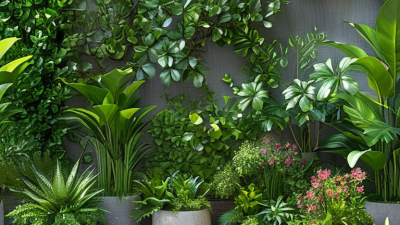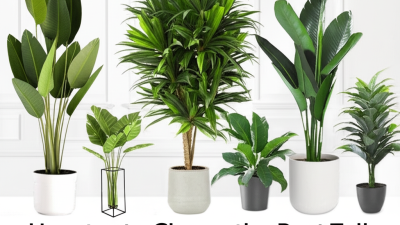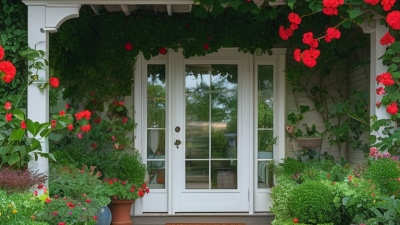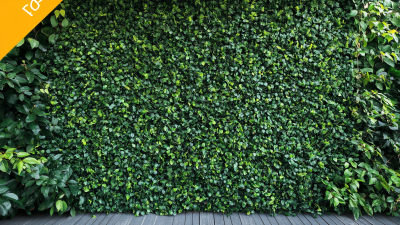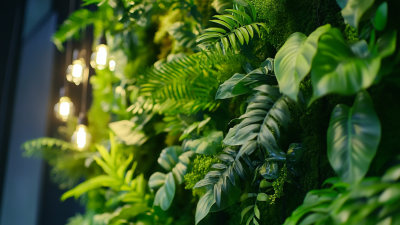
Why Choose Artificial Green Plants For Outside? The answer begins with practical outdoor experience. Real plants can struggle under intense sunlight, salty air, strong wind, or irregular watering. Quality artificial greenery offers steady color without pruning, fertilizing, or daily irrigation. It can soften a concrete balcony, frame a restaurant entrance, or brighten a shaded patio.
Landscape designer and artificial greenery specialist Mark Cullen says, “Outdoor plants should support the space, not create another chore.” This idea matters for busy homeowners and commercial property managers. Modern UV-resistant leaves can retain their texture through changing seasons. Weighted planters can also improve stability on exposed terraces. However, product quality varies significantly. Cheap plastic may fade quickly or appear overly glossy. That is an uncomfortable truth.
Look closely.
Choosing suitable Artificial Green Plants For Outside requires more than selecting attractive leaves. Consider UV protection, drainage, planter weight, wind exposure, and cleaning access. A dense artificial hedge may provide privacy, but it can also trap dust and look unnatural without varied leaf sizes. Natural-looking stems, muted color differences, and realistic shadows usually create a better result. Placement matters too. A plant beside a weathered wall may look convincing, while one beneath a bright spotlight can reveal every artificial detail.
This guide examines those practical choices carefully. It also questions the assumption that artificial greenery is always maintenance-free. Occasional washing, repositioning, and inspections remain necessary. Used thoughtfully, it can deliver lasting visual comfort, reliable presentation, and flexible outdoor design without demanding perfect growing conditions.
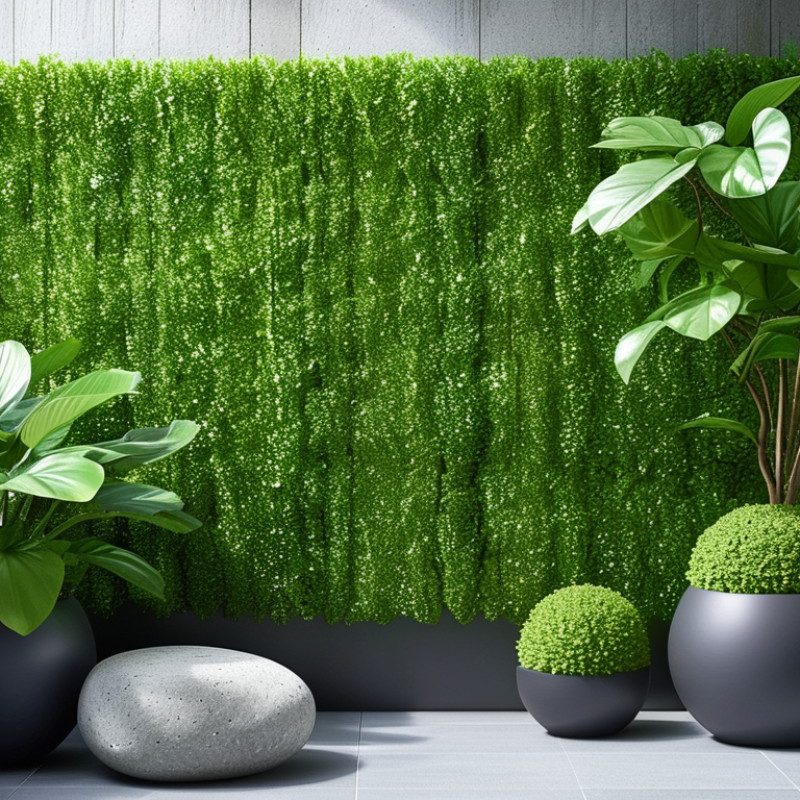
Artificial green plants for outdoor use are synthetic plants designed to withstand sunlight, rain, wind, and seasonal temperature changes. They usually combine UV-resistant leaves with weather-tolerant stems, pots, or frames. Unlike indoor decorative foliage, outdoor plants need materials that resist rapid fading and moisture damage.
You may see them on balconies, patios, entrance paths, restaurant terraces, and office courtyards. They create a steady green appearance where natural plants struggle with shade, poor soil, or irregular watering. A tall artificial grass planter can soften a concrete wall, while compact leafy plants can add privacy beside a seating area.
Look for clear outdoor-use specifications, strong leaf attachment, and drainage in the container. Secure taller plants against strong wind, especially on exposed balconies. Wipe away dust and inspect the foliage after storms.
Artificial plants reduce watering and pruning, but they are not maintenance-free. Some leaves may fade sooner than expected, and cheaper stems can become brittle in intense sunlight. That limitation deserves attention. A careful buyer should match the plant’s material, size, and anchoring method to the local climate.
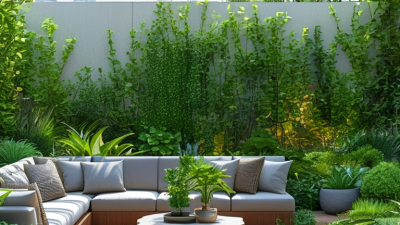
Artificial green plants can survive outdoors when their construction matches the exposure, not merely the appearance. UV radiation is the main enemy.
The World Health Organization’s Global Solar UV Index classifies 8–10 as very high and 11+ as extreme. These levels can fade pigments and weaken plastic over time.
Choose foliage labeled UV stabilized, with colorfast pigments and weather-resistant polymer stems. ASTM G154 and ISO 4892-3 offer recognized methods for testing UV, heat, and moisture resistance.
Ask for test duration and color-change results. “All-weather” alone proves little.
Water creates another problem. Closed pots trap moisture. Porous soil and metal fittings may encourage mold or corrosion. Use drainage holes, weighted bases, and stainless or coated supports.
Wind matters too. NOAA local wind records can reveal seasonal exposure, but a site inspection remains necessary. Place tall arrangements behind walls when gusts are common.
Artificial plants do not drink water, yet dust still dulls leaves. Rinse them gently and inspect seams each season. They are not maintenance-free.
I have seen leaves remain bright in shade, then fade beside reflective glass. That detail is easy to miss.
Heat cycling, hail, salt air, and freezing temperatures also test coatings. Even strong materials may fail early when installation ignores the site.
Outdoor artificial plants can make a bare patio feel finished within an afternoon. Their clearest benefit is steady visual color through heat, rain, and colder months. Unlike living plants, they do not need watering, pruning, fertilizing, or sunlight. This can reduce routine work for busy households and properties with difficult access. They also prevent soil spills around doorways and reduce standing water near containers. A realistic arrangement can soften concrete walls, balconies, entrances, and shaded corners. Small spaces benefit most.
Weather resistance matters more than appearance alone. Choose foliage designed for outdoor use, with UV-treated surfaces and stable, drainage-friendly containers. Secure tall planters carefully, especially on balconies or windy terraces. In practical maintenance work, loose containers often create more trouble than faded leaves. Even quality artificial foliage needs attention. Dust collects along leaf edges after dry weeks. A gentle rinse or soft cloth usually restores its appearance. Avoid harsh cleaning chemicals, which may weaken finishes over time. Some colors still fade, particularly under intense afternoon sunlight. Artificial plants are not maintenance-free. That is an important limitation. Their value comes from predictable care, lower water use, and year-round presentation. I would also leave space between plants, because crowded arrangements can look artificial and trap moisture against walls.
Artificial outdoor plants provide consistent greenery without the biological care requirements associated with living plants.
The chart uses a simple requirement index: 1 means the input may be required by a typical living outdoor plant, while 0 means artificial plants do not require that biological input. Actual living-plant needs vary by species, climate, and growing conditions.
Artificial green plants are increasingly used outside because they provide visual greenery without watering, pruning, or seasonal replacement. Grand View Research reported that the global artificial plants market was valued at approximately USD 1.6 billion in 2023, with continued growth expected through 2030. That demand reflects practical use, not only decoration. Still, outdoor products need UV-resistant materials, weighted bases, drainage, and secure anchoring. A beautiful planter can become dangerous in strong wind.
Where can artificial green plants be used outside? They work well on apartment balconies, restaurant terraces, hotel entrances, retail displays, office courtyards, and shaded residential patios. A narrow balcony may suit a 60-centimeter artificial hedge along its railing. Larger commercial areas can use tall palms beside seating zones or dense green walls to soften concrete surfaces. The U.S. Environmental Protection Agency notes that urban heat islands can make developed areas significantly warmer than nearby rural locations, so artificial greenery should not be presented as a replacement for living shade trees. It improves appearance, but it does not cool the air like real vegetation.
In practice, place artificial plants away from constant puddles and inspect them after storms. Dust, bird residue, and faded leaves are easy to overlook. They may look too perfect. That is sometimes the weakness. Mixing different heights, textures, and a few natural elements usually creates a more convincing outdoor setting.
| Outdoor Location | Why Artificial Green Plants Are Suitable | Typical Maintenance | Key Environmental Requirement | Recommended Applications |
|---|---|---|---|---|
| Balconies and Terraces | Adds greenery without soil, watering, or regular pruning; useful where space and drainage are limited. | Remove dust and loose debris periodically; secure planters or panels against wind. | Choose products labeled for outdoor use and install them away from unstable edges. | Privacy screens, railing planters, wall panels, and decorative containers. |
| Patios and Courtyards | Provides consistent color and structure in areas where natural plants may struggle with irregular care or limited soil. | Occasional cleaning with water and a soft cloth or brush; inspect bases after severe weather. | Use UV-resistant materials in direct sunlight to help reduce fading and material degradation. | Conversation areas, seating zones, outdoor dining spaces, and decorative corners. |
| Entryways and Porches | Creates a welcoming appearance throughout the year without watering near doors, walkways, or electrical fixtures. | Wipe foliage when visibly dusty and keep containers stable in exposed areas. | Select weather-resistant foliage and containers suitable for temperature changes. | Door surrounds, porch corners, stair landings, and pathway accents. |
| Commercial Façades and Storefronts | Maintains a planned visual appearance without daily watering, seasonal replacement, or trimming during business hours. | Schedule routine dust removal and check attachment points, especially on larger installations. | Use firmly anchored systems and materials rated for the site’s sunlight, rain, and wind exposure. | Retail entrances, hospitality areas, office exteriors, and branded-free architectural features. |
| Rooftop Gardens and Outdoor Lounges | Adds visual greenery without adding irrigation requirements or the ongoing weight of wet soil and living plants. | Clean surfaces periodically and verify that wind-resistant bases or anchors remain secure. | Confirm structural, wind-load, fire-safety, and access requirements before installation. | Relaxation zones, rooftop seating, screening structures, and decorative borders. |
| Poolside Areas | Provides greenery without soil entering the pool area and avoids leaf drop associated with many living plants. | Rinse or wipe surfaces when exposed to dust, splash, or pool chemicals; inspect metal components for corrosion. | Use moisture-resistant materials and keep products clear of heat sources, flames, and pool equipment. | Pool boundaries, cabanas, outdoor showers, and resort-style seating areas. |
| Fences, Walls, and Privacy Screens | Improves visual privacy and softens hard surfaces without the growth time, pruning, or irrigation required by climbing plants. | Remove leaves and dust; inspect fasteners and support structures after strong wind. | Choose UV-stabilized foliage and install with appropriate spacing and secure fixings for local weather conditions. | Boundary fencing, balcony dividers, garden walls, service yards, and screening partitions. |
Note: Outdoor performance depends on the product’s UV resistance, material quality, installation method, local climate, and exposure to wind, rain, heat, and chemicals.
Outdoor artificial plants can soften a bare patio, balcony, or entrance without regular watering.
However, outdoor selection requires more than choosing realistic leaves. Check the product specifications for UV resistance, waterproof materials, and temperature tolerance. Polyethylene foliage usually handles moisture well, while untreated fabric may fade or absorb water.
Look closely at the stems, leaf attachments, and pot drainage. A tall plant also needs a weighted base when exposed to wind.
Placement affects service life. Keep plants away from constant rubbing against walls, sharp railings, and areas where rainwater collects. Under a covered patio, colors may remain stable longer. In full sun, even quality foliage can gradually lose brightness.
Rotate containers every few months so one side does not fade unevenly. This small step is easy to forget.
Maintenance should be simple but consistent. Remove dust with a soft brush, then wipe leaves with a damp cloth and mild soap. Avoid harsh solvents, high-pressure washing, and abrasive sponges.
Inspect the pot after storms. Loose gravel, cracked bases, or bent stems can create safety problems.
I once placed a lightweight planter near an exposed gate, and one windy night moved it several feet. That mistake changed my approach: outdoor plants need anchoring, not just attractive appearance.
Read the care instructions, test a small hidden area before cleaning, and replace badly faded or brittle parts rather than forcing them to last.