Leave Your Message

10 Best Artificial Flowers For Home Decoration?

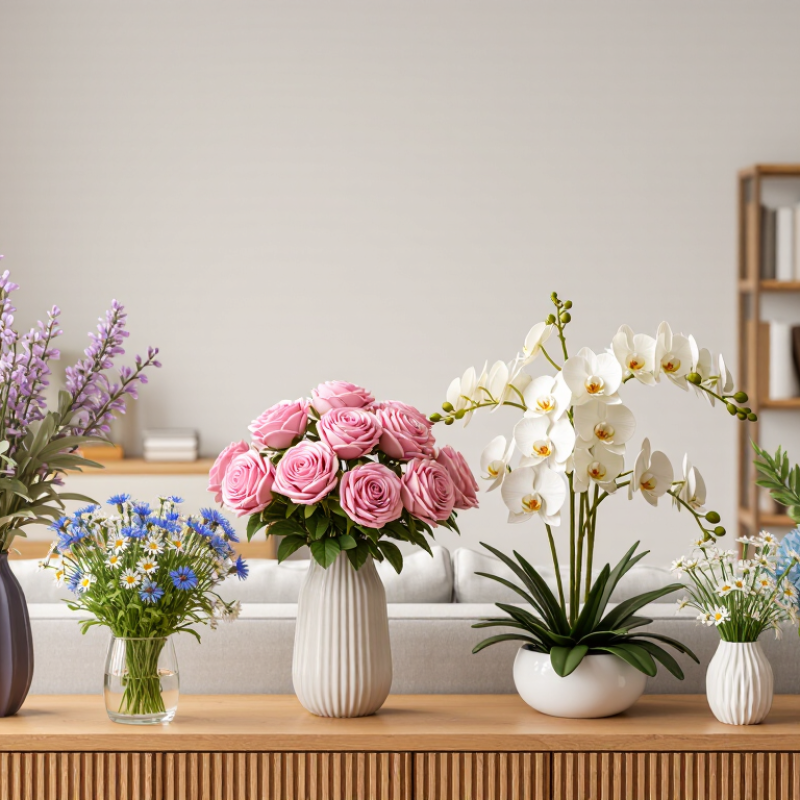
Artificial Flowers For Home Decoration can transform a quiet room without demanding daily watering, sunlight, or careful pruning. After testing arrangements in living rooms, bedrooms, and narrow entryways, I found that realistic texture matters more than bright color. Soft-touch petals, flexible stems, and natural-looking leaves create a convincing display beside a wooden console or ceramic vase.

This guide explores ten dependable choices for modern homes. It considers appearance, material quality, cleaning needs, placement, and long-term value. Silk roses may suit a traditional dining table, while eucalyptus stems can bring calm to a minimalist shelf. Faux orchids often look elegant in bathrooms, where real plants may struggle with limited light. Small wildflower bundles work well in kitchens and compact apartments.

Details matter. Look closely at the flower centers. Check whether the stems bend naturally. Avoid arrangements with identical petals or excessive plastic shine. No artificial bloom looks perfect in every setting. Some colors appear attractive online but feel harsh under warm lamps. That is worth remembering. Personal taste, room scale, and dust exposure can change the best choice. The recommendations here draw on practical decorating experience and common floral design principles, but they should remain flexible. A home should feel lived in, not staged like a showroom. Reliable care still helps: gentle dusting, occasional rinsing when suitable, and protection from strong sunlight can preserve the arrangement longer. With thoughtful selection, artificial flowers can offer beauty, convenience, and a softer atmosphere throughout the year.
10 Best Artificial Flowers For Home Decoration?

Artificial Flower Market: Grand View Research Projects 5.5% CAGR Through 2030

10 Best Artificial Flowers For Home Decoration?

The artificial flower market is gaining steady attention. Grand View Research projects a 5.5% CAGR through 2030. This growth reflects changing home habits, busy lifestyles, and demand for lasting decoration. Artificial flowers now appear in entryways, bedrooms, dining areas, and small offices.

The ten best choices include roses, peonies, orchids, tulips, hydrangeas, lavender, eucalyptus, cherry blossoms, sunflowers, and calla lilies. Roses suit traditional rooms, while orchids create a cleaner, modern look. Lavender adds a soft rural detail. Eucalyptus works well in tall ceramic vessels. Cherry blossoms can brighten a dark corner. Choose silk-like petals, flexible stems, and varied color tones. Perfectly identical flowers often look less convincing.

Material quality matters. Polyester petals usually resist wrinkling better than thin plastic. UV-resistant stems are useful near sunny windows, although fading can still occur. Dust also gathers between petals. A soft makeup brush and occasional gentle wipe can keep arrangements presentable. Avoid placing artificial flowers beside heating vents, where colors may weaken.

I have found that scale often matters more than price. A small vase can disappear on a deep shelf. An oversized bouquet may crowd a narrow table. Measure the space first. Leave visible gaps between stems. My own arrangements are not always balanced, and that is part of the learning process. Slightly uneven heights can feel more natural, but excessive symmetry still looks manufactured.
Material Comparison: Silk, Polyester, PE, and PVC Faux Blooms

10 Best Artificial Flowers For Home Decoration?

Material Comparison: Silk, Polyester, PE, and PVC Faux Blooms

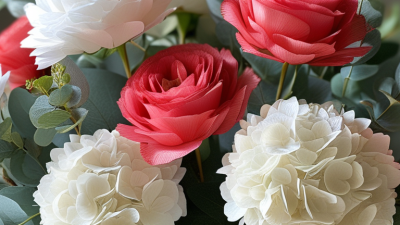
Choosing artificial flowers is not only about color. Material affects realism, texture, durability, and cleaning. In my experience, silk flowers create the softest visual effect. Their petals show gentle folds and absorb light naturally. They suit dining tables, bedrooms, and close viewing areas. However, delicate silk can collect dust and lose shape when crushed.

Polyester flowers usually offer better durability and lower maintenance. Their printed petals can look convincing, but poor finishing may appear flat or overly bright.

PE foliage has a firmer, molded texture and often gives leaves realistic veins. It works well in tall arrangements, entryways, and humid rooms.

PVC blooms are typically more affordable and water-resistant. Still, they may feel stiff, especially around thin petals. That weakness matters.

Tips: Touch samples when possible. Bend one leaf gently. A realistic stem should recover without looking brittle. Check the flower under warm and cool lighting, because glossy surfaces can become obvious near windows.

Mix materials carefully: silk petals, PE leaves, and a few polyester fillers can create stronger depth. Do not overfill the vase. Sparse spacing often looks more natural, though my own arrangements sometimes become too minimal. Depth improves with uneven heights, varied petal openings, and muted green tones.

The 10 Best Artificial Flowers Ranked by Realism, Durability, and Care

10 Best Artificial Flowers For Home Decoration?

The ten best artificial flowers are ranked here by realism, durability, and care. In my experience, high-quality silk peonies look the most convincing, especially when their petals show slight color variation. Realistic artificial orchids follow closely, with flexible stems and subtle roots that avoid a plastic appearance. Faux roses rank third because layered petals create believable shadows, although overly perfect blooms can look artificial. Artificial hydrangeas take fourth place, offering generous volume and strong color retention in shaded rooms.

Artificial tulips rank fifth for their simple shapes and sturdy stems. Their smooth petals need careful positioning. Faux eucalyptus ranks sixth because its muted leaves hide small imperfections and remain attractive for years. Artificial cherry blossoms place seventh, adding height and movement, but thin branches can break during storage. I prefer pieces with wired stems, since they can be adjusted without cracking.

Artificial lilies rank eighth for their elegant form, though bright pollen details may appear painted. Faux lavender ranks ninth because its narrow stems collect dust quickly. Artificial sunflowers take tenth place. They are durable and cheerful, yet large centers often reveal synthetic texture. No artificial bloom is perfect.

For care, I use a soft makeup brush on petals and a slightly damp cloth on leaves. Direct sunlight can fade even durable fabric. I once left pale flowers beside a window, and their color changed within months. That mistake still influences my placement choices. A covered vase also helps prevent dust from settling inside dense arrangements.

10 Best Artificial Flowers For Home Decoration? - The 10 Best Artificial Flowers Ranked by Realism, Durability, and Care
Rank Artificial Flower Overall Score Common Material Realism Indoor Durability Care Requirements Best Home Use
1 Artificial Orchid 9.4/10 Silk or high-quality polyester petals with molded stems Natural-looking petals, realistic roots, and convincing arching stems when carefully arranged 5–10 years indoors with limited sunlight exposure Dust gently every 2–4 weeks; keep away from direct sunlight and high humidity Entry tables, bathrooms, bedrooms, and minimalist interiors
2 Artificial Rose 9.2/10 Silk, polyester, or soft-touch latex petals Layered petals and natural color variation can closely imitate fresh roses 4–8 years indoors; petals may fade in strong sunlight Use a soft brush or cool hair dryer to remove dust; avoid soaking the petals Dining tables, living rooms, bedrooms, and romantic arrangements
3 Artificial Peony 9.0/10 Silk or polyester fabric with flexible wired stems Full, layered blooms provide a highly realistic appearance, especially in mixed bouquets 4–7 years indoors under normal household conditions Fluff the petals after unpacking and dust lightly; store away from compression Coffee tables, consoles, bedrooms, and seasonal displays
4 Artificial Hydrangea 8.8/10 Polyester or foam florets with reinforced stems Dense flower heads disguise the artificial stem and create a convincing volume 4–8 years indoors; pale colors can discolor near windows Shake gently or use compressed air on a low setting; keep flower heads dry Large vases, dining rooms, living rooms, and wedding-style décor
5 Artificial Tulip 8.6/10 Latex, silicone, or polyester petals with flexible stems Soft-touch latex versions often reproduce the smooth petals and slight bend of fresh tulips 3–6 years indoors; stems may need occasional reshaping Wipe with a damp microfiber cloth when appropriate and keep away from heat sources Kitchens, breakfast areas, side tables, and spring arrangements
6 Artificial Calla Lily 8.5/10 Latex, polyurethane, or coated fabric The simple trumpet-shaped bloom is easy to reproduce with a clean, realistic finish 4–8 years indoors when protected from direct heat and sunlight Wipe smooth surfaces with a soft damp cloth and reshape stems as needed Modern interiors, hallways, offices, and narrow vases
7 Artificial Eucalyptus 8.3/10 Plastic or fabric leaves with wire-supported branches Matte leaves and varied green tones look natural from normal viewing distance 5–10 years indoors; plastic foliage generally holds its shape well Dust leaves regularly with a feather duster or microfiber cloth; avoid oily cleaners Wall vases, shelves, bathrooms, and neutral-toned arrangements
8 Artificial Sunflower 8.1/10 Polyester fabric or molded foam petals with plastic centers Bright petals and textured centers are recognizable, although large blooms can look less natural up close 3–6 years indoors; yellow petals may fade in direct sunlight Dust carefully between petals and avoid bending the flower head repeatedly Kitchens, entryways, country-style rooms, and autumn décor
9 Artificial Lavender 7.9/10 Fabric florets or molded plastic spikes with synthetic foliage Slim flower spikes look convincing in grouped arrangements, though individual stems may appear uniform 5–10 years indoors with minimal color change away from sunlight Shake outdoors or use gentle cool air to remove dust; do not over-handle the spikes Small vases, shelves, bathrooms, and rustic or Provence-style décor
10 Artificial Cherry Blossom 7.7/10 Fabric or plastic blossoms attached to flexible branches Branch structure adds realism, but repetitive blossoms may be noticeable at close range 4–8 years indoors; thin branches require careful storage Dust with a soft brush and store upright or loosely wrapped to prevent bent branches Large floor vases, bedrooms, reception areas, and seasonal displays

Room-by-Room Selection for Living Rooms, Bedrooms, Kitchens, and Offices

Living rooms benefit from artificial flowers with visible volume. Peonies and hydrangeas create a soft, welcoming focal point on a coffee table. Tall lilies suit a narrow console, while sunflowers add warmth near a bright window. Roses work well in a simple ceramic vase beside books. I once overfilled a large vase, and the room looked crowded rather than elegant. Fewer stems often look more believable.

Bedrooms need quieter shapes and softer colors. Lavender brings a relaxed feeling to a bedside table, while pale tulips suit a dresser or reading corner. In kitchens, daisies and small cherry blossoms can brighten open shelves without blocking daily tasks. Keep arrangements away from cooking splashes.

Offices usually benefit from orchids or eucalyptus stems, because their clean forms occupy little desk space. Eucalyptus is foliage, not a flower, but it adds useful texture.

Tips: Choose silk-like petals, flexible stems, and natural color variation. Check the arrangement from different angles before buying. Dust leaves gently with a soft cloth every few weeks. Artificial flowers still need care. Avoid placing them in strong sunlight, since some colors fade quickly. Clear glass can expose unrealistic stems, so opaque pottery may help. I prefer uneven heights, although this choice is not always successful. A slightly imperfect arrangement can feel more lived-in than a perfectly balanced one.

Safety and Sustainability: UV Resistance, Flame Standards, and Recyclability

10 Best Artificial Flowers For Home Decoration?

Artificial flowers can brighten a room without watering, but safety should guide every choice. In my experience, UV-resistant petals stay more attractive near sunny windows, balconies, and glass doors. Look for clear UV-treatment details, not vague claims such as “long-lasting.” Even protected colors may fade after years of direct sunlight. I once underestimated this effect. A pale arrangement became uneven after one summer.

Flame performance also deserves careful attention. Artificial flowers are often made from polyester, plastic, foam, and thin wire. These materials are not automatically fireproof. Choose products with documented flame-resistance testing, and check the standards accepted in your location. Keep arrangements away from candles, heaters, fireplaces, and hot bulbs. Never cover vents with dense artificial foliage. A safety label helps, but sensible placement matters more.

Tips: Select tightly secured stems, non-shedding petals, and low-odor materials. For sustainability, prefer flowers made from one main material, recyclable packaging, and removable metal wires. Mixed fabrics, foam centers, coatings, and glued parts can make recycling difficult. Ask whether the arrangement can be separated before disposal. Some suppliers may provide limited recycling information, so verify it rather than trusting attractive wording. Reusing a vase and dusting petals with a soft brush can extend the display’s life. Still, artificial décor is not impact-free. Choosing fewer, durable pieces may be better than replacing cheap arrangements each season.