Leave Your Message

How to Choose Artificial Plants for Hanging Baskets?

Choosing the right artificial plants for hanging baskets can transform any space. They bring a touch of nature without the hassle of upkeep. However, not all artificial plants are created equal. It’s essential to consider their quality, look, and feel.

When selecting artificial plants for hanging baskets, focus on realistic details. Look for lifelike textures and vibrant colors. These aspects can enhance realism and make your arrangement more appealing. It's also vital to think about the material used. High-quality materials ensure longevity and better aesthetics.

While artificial plants offer convenience, they can sometimes seem less genuine. A poorly made plant may ruin the overall effect. Take time to reflect on choices. Visit local shops or online vendors to see options firsthand. Testing the products can guide you to a selection that meets your expectations.
How to Choose Artificial Plants for Hanging Baskets?

Choosing the Right Material for Artificial Hanging Plants

How to Choose Artificial Plants for Hanging Baskets?

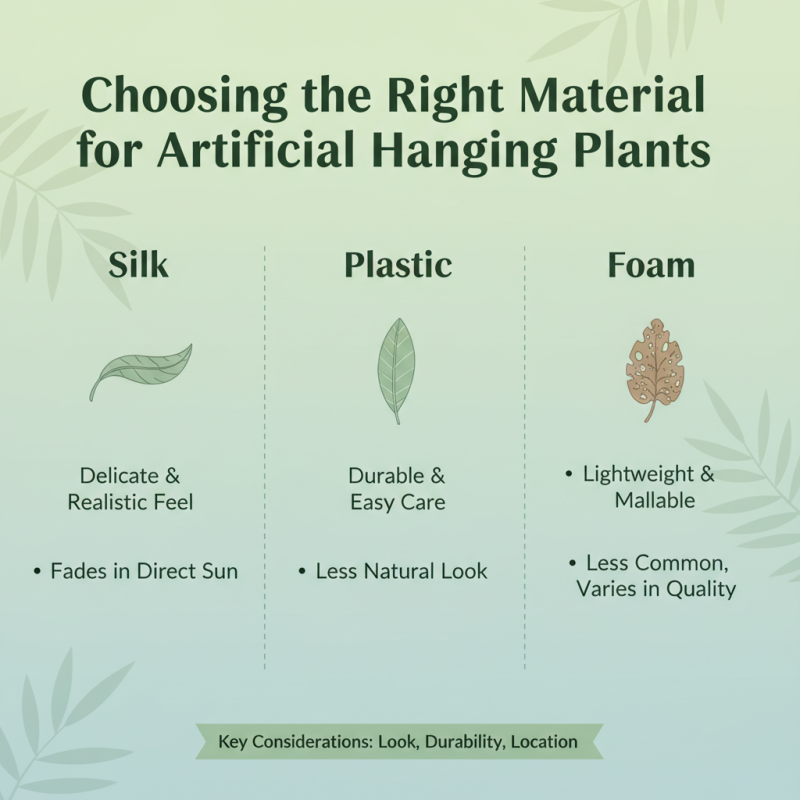
When choosing artificial plants for hanging baskets, the material matters significantly. Silk, plastic, and foam are common options, each with unique benefits. Silk offers a delicate look and feels realistic. However, it can fade over time if placed in direct sunlight. Plastic is durable and easy to care for but may lack the nuance of natural plants.

Foam is a lightweight alternative, suitable for various climates. While it may not look as lifelike, it resists moisture and is perfect for outdoor use. It's vital to consider the environment where the basket will hang. A combination of materials can sometimes offer the ideal aesthetic and practicality.

Color consistency is another point to ponder. Over time, even high-quality materials can lose their vibrancy. Regularly checking your hanging baskets ensures they remain visually appealing. Additionally, thinking about the potting method can enhance the overall look. Some prefer a simple approach, while others might need intricate designs. Balancing these factors will lead to a beautiful display.
Assessing Color and Texture for Realistic Appearance in Baskets

How to Choose Artificial Plants for Hanging Baskets?

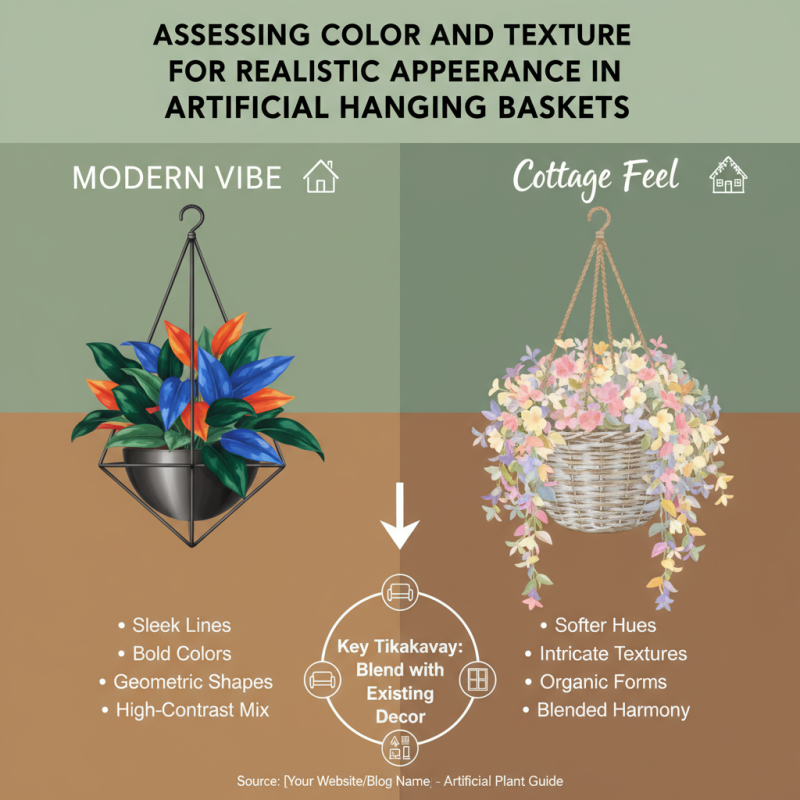
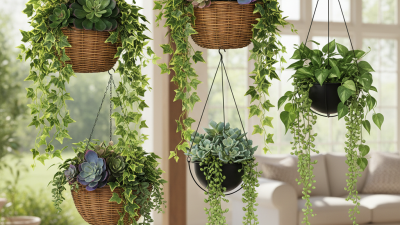
When choosing artificial plants for hanging baskets, color and texture play vital roles. A vibrant mix can create visual interest. Consider the overall aesthetic of your space. If your room has a modern vibe, choose plants with sleek lines and bold colors. For a cottage feel, opt for softer hues and more intricate textures. The goal is to blend the plants harmoniously with your existing decor.

Texture is equally important. Touch adds depth to any arrangement. Look for plants with varied leaf shapes and surface finishes. Some should be glossy, while others can mimic the rough feel of real leaves. This combination helps achieve a natural look. However, remember that over-saturation of color or texture can come off as artificial. Strive for balance. Sometimes, even the most beautiful arrangements may look too stark or too cluttered. Reassess the components. Adjust sizes and proportions to find the perfect fit.

Understanding UV Resistance Ratings for Outdoor Artificial Plants

When selecting artificial plants for hanging baskets, understanding UV resistance ratings is essential. UV exposure can degrade materials, resulting in fading and structural changes. Reports indicate that UV-resistant plants can maintain their appearance for longer periods. About 60% of outdoor artificial plants are rated for UV exposure, but not all are created equal.

Look for plants with a rating of at least 250 hours of UV exposure. This level ensures durability against sun exposure. In contrast, those rated below 100 hours often show signs of wear within months. The materials used play a significant role in UV resistance. Fabrics like polyethylene and polycarbonate are recognized for their durability. Yet, cheaper alternatives may fail to protect against fading effectively.

It's vital to consider your local climate. Areas with intense sunlight can significantly impact the longevity of artificial plants. The color stability of bright hues is often less reliable, fading faster than more muted tones. Reviewing product specifications is important but not always straightforward. Some brands might label their products as UV-resistant without clear ratings. Transparency in these ratings builds trust and guides better purchasing decisions.

How to Choose Artificial Plants for Hanging Baskets? - Understanding UV Resistance Ratings for Outdoor Artificial Plants

Plant Type UV Resistance Rating Material Suitable for Outdoor Use Maintenance Level
Faux Fern High (3-5 years) Polyester Yes Low
Artificial Ivy Medium (1-3 years) Plastic Yes Medium
Silk Potted Flowers Low (<1 year) Silk No High
Plastic Succulents High (3-5 years) Polypropylene Yes Low

Evaluating Maintenance Needs of Different Artificial Plant Varieties

When choosing artificial plants for hanging baskets, evaluating their maintenance needs is crucial. Some artificial plants require minimal upkeep, while others may need occasional cleaning and care. Most synthetic materials can withstand various weather conditions, but dust and dirt can accumulate over time.

Tips: Regularly dust your artificial plants with a soft cloth. For deeper cleaning, a damp cloth can help. Avoid harsh chemicals that might degrade the material.

Consider the complexity of the plant design. Plants with intricate details might require more attention to keep them looking fresh. Simpler designs tend to age better and require less frequent maintenance.

Tips: Select plants that match your aesthetic but also suit your lifestyle. Are you willing to invest time in upkeep, or do you prefer low-maintenance options? Remember, spending time on maintenance might lead to reflections on your choices.

How to Choose Artificial Plants for Hanging Baskets?

This chart illustrates the different types of artificial plants commonly used in hanging baskets and their associated maintenance needs. The types of plants are evaluated based on how often they require cleaning, replacement, and care on a scale of 1 to 5, where 1 represents low maintenance and 5 represents high maintenance.

Sizing Considerations for Hanging Baskets: Scale and Proportions

When selecting artificial plants for hanging baskets, scaling and proportion can significantly impact the visual appeal. According to industry experts, the ideal height of plants in baskets should be roughly one-third the height of the basket itself. This balance creates a cohesive design, making the arrangement appear natural and aesthetically pleasing. For example, a 12-inch hanging basket benefits from plants that are about 4 inches tall.

Proportions also play a crucial role. A report from the American Horticultural Society indicates that the width of the foliage should not exceed the basket rim by more than 6 inches. This guideline is particularly essential for smaller baskets, where oversized plants can overpower the container. Additionally, consider the overall weight of the arrangement. Lighter plants work well for smaller baskets to prevent sagging and ensure stability.

It's important to remember that not all artificial plants will fit every size basket. A common mistake is choosing plants that are too dense or voluminous, which can lead to a cluttered look. Striking the right balance of scale requires careful consideration and sometimes trial and error. Observing these guidelines can help create a more refined and visually appealing hanging basket.