Leave Your Message
- Phone
- E-mail
- Whatsapp
- Whatsapp

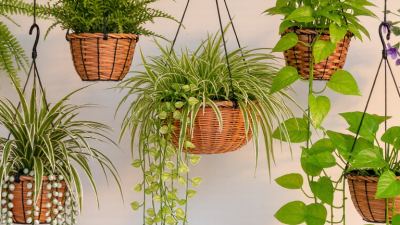
Artificial Plants For Hanging Baskets are changing how balconies, porches, and indoor corners receive seasonal color. Unlike living baskets, they need no watering schedule, pruning, or direct sunlight. That convenience matters in compact homes and commercial spaces where maintenance time is limited. Grand View Research’s Artificial Plants Market Size, Share & Trends Analysis Report 2023–2030 identifies continued market growth, supported by realistic materials and demand for low-maintenance décor. The report does not prove every product performs equally well.
That distinction deserves attention. A convincing hanging basket should combine UV-resistant foliage, flexible stems, balanced weight, and a liner that hides the container edge. Polyethylene leaves can look remarkably natural when their color varies slightly. Perfect symmetry often looks artificial. A few bent leaves may create a more believable silhouette, especially beside weathered brick or a matte-black railing.
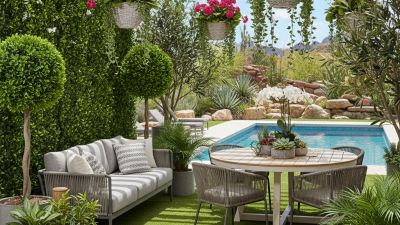
Placement changes the buying decision. Outdoor baskets require fade resistance, drainage-friendly construction, and secure hooks. Indoor baskets can prioritize softness, dust resistance, and lightweight frames. AmericanHort’s State of the Industry reporting continues to highlight consumer interest in plants, gardening, and related home experiences, yet artificial greenery serves a different purpose: dependable appearance without biological growth. That difference should not be ignored.
Small details matter.
This guide compares the best Artificial Plants For Hanging Baskets by realism, durability, safety, weight, and value. It also questions common assumptions. A cheaper basket may look attractive online but expose a shiny plastic underside in daylight. A premium option may last longer, but only when installed away from harsh weather and cleaned carefully. The ideal choice is practical, not merely photogenic.
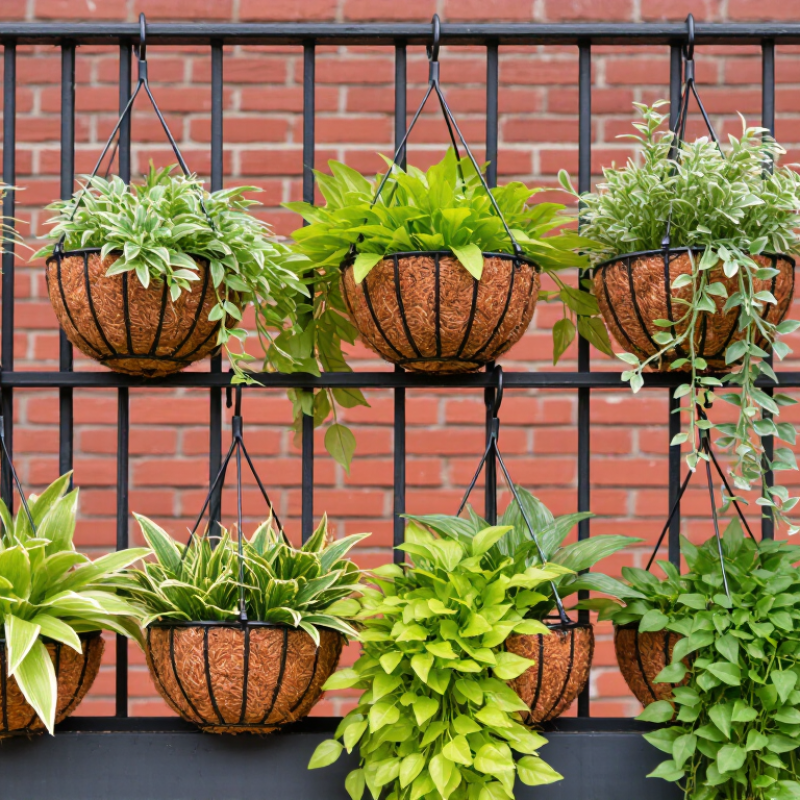
What Are the Best Artificial Plants for Hanging Baskets?
An artificial plant suits a hanging basket when it balances weight, shape, texture, and maintenance. Weight matters. A basket filled with metal stems can strain hooks, ceiling anchors, or balcony rails. Choose lightweight polymer foliage with flexible stems, especially for older structures. The container should also have a secure base and a broad rim. I once underestimated wind exposure; a beautiful basket became unstable after one storm.
The best foliage usually has trailing leaves, varied lengths, and realistic color changes. Completely uniform leaves often look artificial from the doorway. UV-resistant materials help reduce fading near bright windows, although no material stays perfect forever. According to Grand View Research’s 2024 artificial plants market analysis, the global market is expected to grow at roughly 5% annually through 2030. That growth reflects demand for durable, low-maintenance interior and exterior displays. However, market growth does not guarantee quality. Inspect the leaf edges, stem joints, and basket lining before buying. Look closely.
The 2024 National Gardening Association report found that about 75% of U.S. households participated in gardening during 2023. This suggests strong interest in greenery, including easier decorative alternatives. For hanging baskets, dust resistance and washable surfaces deserve attention. A damp microfiber cloth should clean the leaves without loosening them. Color accuracy remains subjective, and my own preference for muted greens may not suit every room. Test the basket at eye level, then view it from below. That perspective often exposes poor proportions.
| Artificial Plant Type | Overall Suitability | Why It Works in a Hanging Basket | Best Placement | Maintenance Needs | Recommended Basket Style | Realism Features to Look For | Important Considerations |
|---|---|---|---|---|---|---|---|
| Trailing Pothos | ★★★★★ | Long, cascading stems create a full, flowing display and naturally conceal the rim of the basket. | Indoor rooms, offices, covered porches | Dust leaves regularly; occasionally reshape the stems. | Round baskets, woven baskets, modern wall-hanging planters | Variegated leaf patterns, flexible stems, varied leaf sizes, matte rather than overly glossy surfaces | Choose flame-retardant materials for indoor commercial or public spaces where required. |
| Trailing Ivy | ★★★★★ | Its dense, trailing growth gives a classic hanging-basket appearance and provides good visual coverage. | Indoor areas and sheltered outdoor locations | Wipe or dust the leaves; trim or reposition long vines as needed. | Traditional wire baskets, rustic containers, shallow hanging bowls | Distinct leaf lobes, multiple shades of green, natural-looking vine branching | Secure long vines so they do not snag on walkways, furniture, or doorways. |
| Boston Fern | ★★★★☆ | Arching fronds create softness and volume, making it effective for filling a large basket. | Bathrooms, shaded rooms, covered patios | Dust individual fronds carefully and gently fluff compressed foliage. | Large coco-lined baskets, suspended bowls, decorative planters | Fine leaflets, layered fronds, natural variation in frond length and direction | Fine foliage can collect dust and may require more careful cleaning than broad-leaf plants. |
| String of Pearls | ★★★★☆ | Bead-like foliage provides a distinctive cascading texture while using relatively little visual space. | Bright indoor spaces and protected sunny areas | Light dusting with a soft brush; avoid crushing the rounded foliage. | Small minimalist baskets, ceramic bowls, geometric planters | Consistent but varied bead spacing, slender trailing strands, subtle color variation | Lightweight strands can look sparse if the basket is too large; select a size that matches the container. |
| Spider Plant | ★★★★☆ | Arching leaves and small plantlets create movement and a naturally layered silhouette. | Bright or moderately lit indoor areas, covered balconies | Dust the leaves and adjust the plantlets so they remain evenly distributed. | Simple round baskets, ceramic hanging pots, contemporary planters | Striped leaves, narrow pointed foliage, realistic offsets, flexible leaf tips | Very stiff or uniformly colored leaves can make the plant appear artificial. |
| Trailing Eucalyptus | ★★★★☆ | Soft green or blue-green foliage adds an airy, understated appearance to compact baskets. | Bright interiors, entryways, sheltered outdoor areas | Dust gently; rearrange stems to preserve an open, natural shape. | Metal baskets, neutral woven baskets, minimalist hanging planters | Rounded leaves, muted color gradients, slender branching stems, non-reflective finish | Some artificial versions have a strong plastic scent when new; air out the plant before installation. |
| Artificial Flowering Trailers | ★★★★☆ | Trailing flowers add color and can provide seasonal interest without watering or deadheading. | Covered porches, balconies, dining areas, event spaces | Remove dust from petals and leaves; inspect flowers for fading after prolonged sun exposure. | Coco-lined baskets, decorative porch baskets, colorful hanging bowls | Petal size variation, layered blooms, realistic foliage, restrained color saturation | Outdoor use requires UV-resistant materials; direct sun can fade untreated flowers. |
| Trailing Succulent Mix | ★★★★☆ | Different leaf shapes and textures create a low-maintenance, contemporary hanging display. | Bright rooms, sunny windows, protected patios | Dust each variety carefully and check that the arrangement remains balanced. | Shallow bowls, concrete-style planters, compact geometric baskets | Fleshy leaf forms, powdery color effects, varied heights, realistic stem junctions | Use drainage-free decorative containers only when the plants are clearly artificial and securely arranged. |
Selection tip: The most convincing artificial hanging baskets combine varied stem lengths, natural-looking leaf placement, a container sized to the foliage, and materials suited to the intended indoor or outdoor location.