How to Choose the Best Exterior Artificial Plants for Your Home?
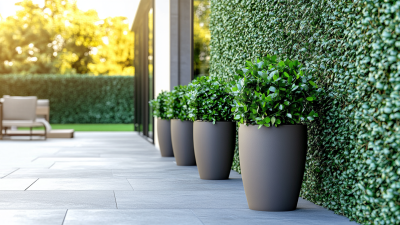
When choosing the best exterior artificial plants for your home, several factors come into play. According to industry reports from the National Association of Landscape Professionals, the demand for artificial plants has risen by approximately 30% in the past five years. This surge reflects a growing appreciation for low-maintenance and aesthetically pleasing options in outdoor design. Homeowners seek solutions that enhance curb appeal without the hassle of upkeep.
Exterior artificial plants are particularly appealing for busy families or those living in climate-challenged areas. These plants withstand extreme weather and require minimal care, making them an attractive choice. Recent surveys indicate that nearly 40% of homeowners believe that artificial plants significantly reduce landscaping costs over time. However, while they offer convenience, it's essential to consider potential drawbacks. For instance, not all artificial plants are created equal, and quality can greatly affect their appearance and durability.
In the end, selecting the right exterior artificial plants involves weighing the benefits against potential limitations. Find products that reflect your style while meeting your practical needs. Prioritize quality, colorfastness, and UV resistance. Ultimately, a thoughtful selection can enhance your home's exterior, contributing to both beauty and long-term satisfaction.
Understanding the Benefits of Exterior Artificial Plants for Your Home
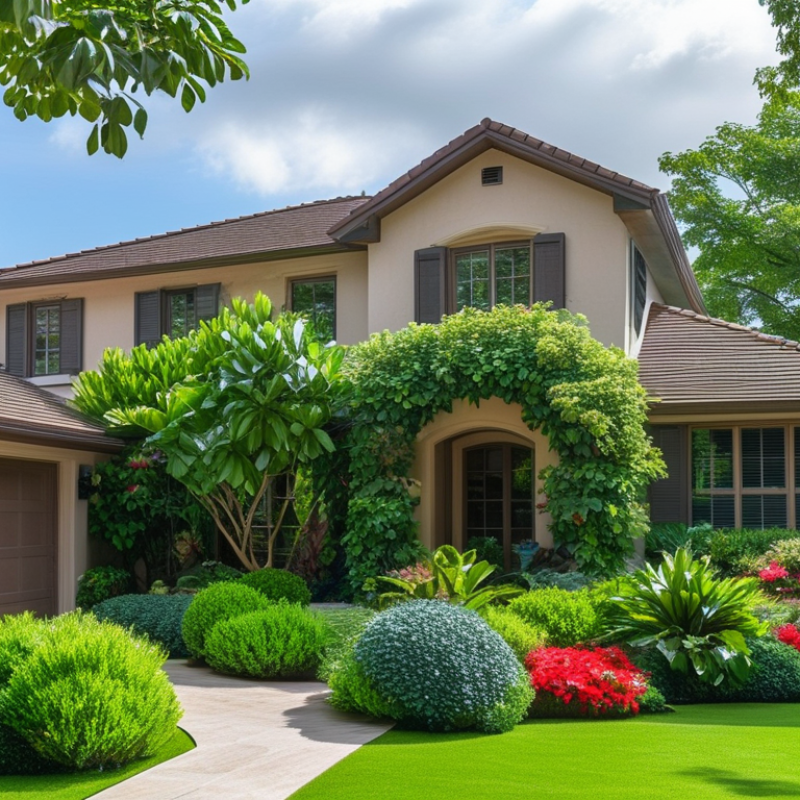
Artificial plants have gained popularity in recent years, especially for outdoor spaces. They offer a unique blend of aesthetic appeal and practical benefits. According to industry reports, the artificial plant market is projected to grow by over 10% annually. This increase highlights a growing recognition of their advantages.
One significant benefit of exterior artificial plants is their low maintenance requirements. Unlike natural plants, they do not need watering, pruning, or fertilizing. This can save homeowners both time and money. Additionally, artificial plants can withstand a variety of weather conditions without losing their vibrant appearance. They do not fade under sunlight or wilt during dry spells. This durability makes them reliable options for enhancing curb appeal.
Another advantage is their versatility. Artificial plants come in various shapes, sizes, and colors, making it easy to find the perfect fit for any home. A survey revealed that 75% of homeowners who use artificial plants noted an increase in their outdoor enjoyment. The right selection can transform a dull patio into a vibrant haven. However, some may find that, without the care of live plants, their selected pieces can appear less organic. Finding a balance between realism and maintenance is crucial for achieving a natural look.
Factors to Consider When Selecting Artificial Plants for Outdoor Use
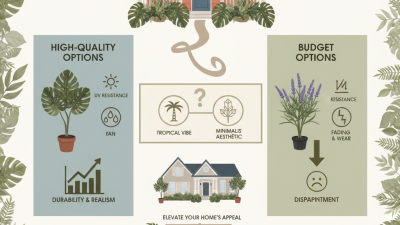
When selecting artificial plants for outdoor use, several key factors come into play. First, consider the material of the plants. UV-resistant polyethylene is preferred because it withstands fading from sunlight. Research indicates that plants made with this material retain their color 20% longer than other types. For instance, a report from the National Institute of Horticultural Technology found that high-quality artificial plants show minimal color degradation after several years outdoors.
Climate plays a crucial role as well. Different regions have varying weather patterns. If you're in a rainy area, look for waterproof alternatives. A study by the Garden Research Project highlighted that synthetic plants in wet climates should be designed with drainage systems to avoid water accumulation. Additionally, weight is significant. Heavier plants are less likely to blow away in strong winds, which can be a common issue in exposed areas.
Aesthetic considerations should also be addressed. While you want the plants to look realistic, it’s essential they fit your home’s style. Expert recommendations suggest mixing textures and colors to create a natural look. Often, interior decorators advise adding stones or mulch for added realism. Don’t overlook personal preference—choose plants that resonate with your lifestyle. Reflecting on these factors can lead to a more satisfying selection of exterior artificial plants.
Exterior Artificial Plants Selection Factors
Material Types: Comparing Plastic, Silk, and Other Artificial Plant Options
When selecting exterior artificial plants, the material type is crucial. Each option has unique characteristics, affecting both appearance and durability. Plastic plants are often the most affordable. They resist fading and are easy to clean. However, they can look less realistic compared to other materials. The shine from certain plastics can appear unnatural under sunlight, making them an imperfect choice if realism is a priority.
Silk plants offer a more lifelike appearance, capturing intricate details of leaves and flowers. They are soft to the touch and often more visually appealing. Yet, they may not withstand the elements as well as plastic. Exposure to UV rays can fade silk over time. You may find yourself needing to replace them more often. Other alternatives, like polyester blends or even foam materials, could be viable options. These can mimic the look of real plants while providing varying levels of durability.
Consider the placement and environment too. Some materials are better suited for shaded areas, while others thrive in sunny spots. A thorough evaluation of your space can guide you toward the right choice. Reflecting on your needs will help. Balance the aesthetic appeal with practicality for the best outcome. Each material has its pros and cons, so careful consideration is essential.
Assessing UV Resistance and Weather Durability for Long-lasting Use
When selecting exterior artificial plants, assessing UV resistance is crucial. According to recent industry reports, high-quality artificial plants must withstand UV exposure to prevent fading. Products tested for UV stability often have a lifespan of 3 to 5 years in direct sunlight. This factor significantly extends their visual appeal and utility for outdoor settings.
Weather durability is another key component. Research indicates that artificial plants with robust weather resistance can endure harsh elements, such as wind and rain. The best materials can resist cracking and peeling, ensuring longevity. Consideration of weather patterns in your area will help you select suitable options. Some products may show wear faster in humid climates, requiring more frequent replacement.
Reliable reviews and expert assessments can guide your choices. Look for artificial plants labeled as "weatherproof" or "UV-resistant." Yet, it's essential to reflect on the balance between aesthetics and durability. Beautiful designs may lack resilience. Additionally, cheaper options might save you money upfront but necessitate replacement sooner. Thus, a thoughtful approach is needed to ensure long-lasting enjoyment of your exterior spaces.
Choosing the Right Style and Scale of Artificial Plants for Outdoor Spaces
When selecting artificial plants for your outdoor spaces, style and scale are crucial. Different areas require different approaches. For instance, a large patio calls for bold plants, while a small balcony needs something compact. Consider the overall theme of your home. Will the plants blend seamlessly or stand out too much?
Think about the texture and colors of your selected plants. Realistic textures can enhance the appeal. Also, vibrant colors can brighten a dull corner. However, too much contrast may overwhelm the space. It’s essential to visualize how the plants will integrate with furniture and features. This can be tricky, especially with varying light conditions.
Moreover, don’t forget about maintenance. Although artificial plants need less care, they can still collect dust and fade over time. Reflect on how often you want to clean them. Some plants may require replacement sooner than others. Balancing beauty with practicality is vital for a successful outdoor arrangement. Aim for a combination that feels both inviting and manageable.
How to Choose the Best Exterior Artificial Plants for Your Home?
| Plant Type |
Size (Height) |
Recommended Placement |
Material |
UV Resistance |
| Faux Fiddle Leaf Fig |
5 ft |
Living Room, Entryway |
Plastic, Polyester |
Yes |
| Artificial Lavender |
2 ft |
Outdoor Patio, Balcony |
Silk |
Yes |
| Artificial Bamboo |
6 ft |
Garden, Pool Area |
Plastic, Iron Frame |
Yes |
| Silk Succulents |
Varied (5-12 inches) |
Desk, Tabletop |
Silk |
No |
| Potted Fake Palm |
4 ft |
Entryway, Living Room |
Plastic, Polyester |
Yes |