How to Choose Large Artificial Plants for Any Space?
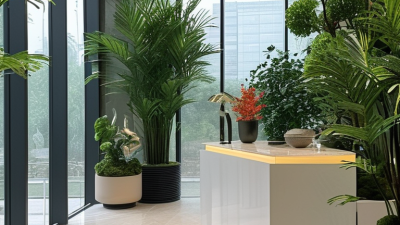
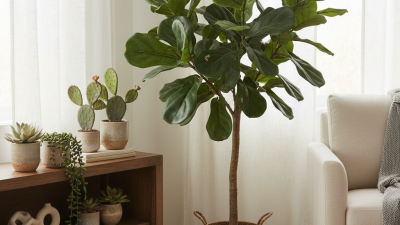
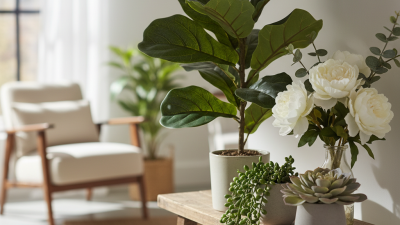
Choosing Large Artificial Plants is not simply a matter of filling an empty corner. It is a design decision involving scale, texture, movement, and practical use. A narrow hallway needs a slim, upright tree, while a spacious living room can support a broad canopy. The plant should look intentional, not oversized.
Hilton Carter, a well-known plant stylist and author, says, “Plants are a way to bring nature inside.” That idea also applies to realistic artificial greenery. Examine the leaves closely. Natural color variation, visible veins, and flexible stems usually create a more convincing appearance. A glossy plastic finish may look harsh beside linen, wood, or stone. It deserves reconsideration.
Measure the ceiling height first. Then check the planter width and walking clearance. A tall plant near a doorway can interrupt movement. A heavy base improves stability in busy rooms. UV-resistant materials are valuable near bright windows, although no artificial plant remains perfect forever. Dust still gathers. Some products need careful cleaning every few weeks.
I have seen beautifully styled spaces weakened by one common mistake: choosing height without considering volume. A 180-centimeter plant may still look small if its foliage is sparse. Conversely, dense leaves can overwhelm a compact office. Consider the room’s visual weight, furniture arrangement, and natural light. Realistic expectations matter. The best Large Artificial Plants do not imitate nature flawlessly; they support the room quietly, consistently, and with very little maintenance.
Define Space, Scale, and Light Conditions Before Buying Large Artificial Plants
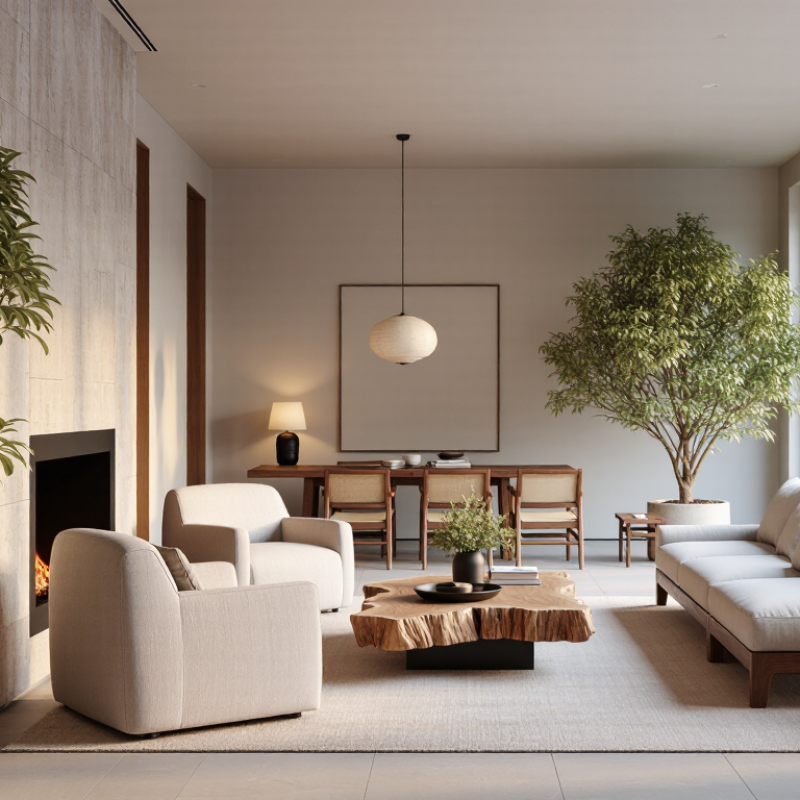
Before buying a large artificial plant, define the space precisely. Measure floor area, ceiling height, doorway width, and nearby furniture. A plant that looks elegant in a showroom may overwhelm a narrow apartment corner. The U.S. Environmental Protection Agency reports that people spend about 90% of their time indoors. That makes visual comfort important, even when the plant is not living.
Scale should follow the room’s strongest lines. In a room with a 2.4-meter ceiling, a 1.5- to 1.8-meter plant usually adds height without touching the ceiling visually. Leave walking clearance around the pot, especially beside sofas and entryways. The National Kitchen and Bath Association recommends clear circulation zones in residential planning, but decorative displays often ignore them. I have made that mistake myself. A beautiful plant can become an obstacle near a doorway.
Light conditions still matter, although artificial plants do not photosynthesize. Strong window light can fade leaves, while dim corners may expose dusty surfaces and plastic textures. The Illuminating Engineering Society notes that perceived brightness depends on light levels, contrast, and surface reflectance. Choose deeper greens for bright rooms and softer, varied tones for darker spaces. Check the plant from eye level. Too much symmetry looks manufactured. A slightly uneven shape often feels more natural. Allow cleaning access, too; large leaves collect dust quickly, and neglected dust can ruin the intended effect.
Compare PE, PVC, and UV Resistance Using ASTM G154 Testing Standards
How to Choose Large Artificial Plants for Any Space?
Large artificial plants need more than a convincing shape. Their material must match the room, sunlight, humidity, and cleaning routine. PE usually provides a thicker, more natural leaf structure. PVC remains flexible and economical, but unprotected PVC can become brittle or fade under prolonged sunlight. The polymer alone does not guarantee durability. UV stabilizers, pigments, thickness, and manufacturing quality matter just as much.
ASTM G154
ASTM G154 provides a controlled method for comparing UV resistance. It uses fluorescent ultraviolet lamps, condensation, and repeated exposure cycles. A practical test can examine color change, cracking, chalking, and tensile loss after 500 or 1,000 hours. ASTM G154 does not convert test hours directly into outdoor service years. That limitation matters. A product passing laboratory exposure may still struggle beside a hot, reflective window.
Compare samples under identical conditions. Place PE and PVC leaves in the same test cycle, then inspect green color, surface texture, and flexibility. Test the sample. A slight whitening on leaf edges can signal early degradation. PlasticsEurope reported 413.8 million tonnes of global plastics production in 2023, showing the scale of material use but not its weathering quality. For a balcony or sunroom, request ASTM G154 results and ask which cycle, lamp type, temperature, and exposure duration were used. Indoor spaces may need appearance testing more than UV protection, yet large windows can create unexpectedly intense exposure.
My own caution: “UV-resistant” is too vague without measured retention data.
Match Plant Height and Canopy Width to Traffic Flow and Ceiling Clearance
How to Choose Large Artificial Plants for Any Space?
Choosing large artificial plants starts with movement, not color. Measure the walking route before selecting a plant. A tall plant beside a doorway can make entry feel narrow. A wide canopy near a desk may interrupt chairs, bags, and daily movement. Keep the plant’s widest leaves outside the main traffic path. For busy areas, choose a narrower canopy with leaves that rise upward. In open corners, a fuller canopy can soften empty space without creating an obstacle.
Ceiling clearance matters just as much. Measure from the floor to the lowest ceiling feature, including beams, lights, and sprinklers. Leave at least 30 centimeters above the highest leaf for a natural appearance and easier maintenance. Very tall plants can make low ceilings feel crowded. They also look less convincing when the top presses against the ceiling. I have found that people often measure plant height but forget the pot and base. That small mistake changes everything.
Tips: Mark the plant’s footprint with masking tape. Walk around it with a chair, cart, or shopping bag. Check the view from standing and seated positions. Choose a stable, weighted base in active areas. Follow local fire-safety and access requirements.
Do not judge scale from a product photo alone. Camera angles can hide a broad canopy. Ask for exact height, width, and pot dimensions before ordering. A slightly smaller plant may work better than an impressive one that blocks circulation. Recheck the space after placement. Sometimes the first arrangement looks good, but daily movement proves otherwise.
How to Choose Large Artificial Plants for Any Space? - Match Plant Height and Canopy Width to Traffic Flow and Ceiling Clearance
Practical sizing guidelines for selecting large artificial plants according to ceiling height, circulation space, and visual balance.
| Space Type |
Typical Ceiling Height |
Recommended Plant Height |
Suggested Canopy Width |
Minimum Clear Walkway |
Best Placement |
Selection Notes |
| Compact Apartment Entry |
8–9 ft
(2.4–2.7 m) |
4–6 ft
(1.2–1.8 m) |
18–28 in
(46–71 cm) |
36 in
(91 cm) |
Into a corner or beside a console |
Choose a narrow trunk and compact foliage so doors and daily circulation remain unobstructed. |
| Open-Plan Living Room |
8–10 ft
(2.4–3.0 m) |
5–7 ft
(1.5–2.1 m) |
24–40 in
(61–102 cm) |
36–42 in
(91–107 cm) |
Behind a sofa or in an unused corner |
Use a fuller canopy to soften empty vertical space, but keep foliage outside the main walking route. |
| Dining Area |
8–10 ft
(2.4–3.0 m) |
4–6 ft
(1.2–1.8 m) |
18–30 in
(46–76 cm) |
36 in
(91 cm) |
Corner away from chair pull-out zones |
Avoid low, spreading branches that can interfere with chairs, serving paths, or sightlines across the table. |
| Office Reception Area |
9–12 ft
(2.7–3.7 m) |
6–9 ft
(1.8–2.7 m) |
30–48 in
(76–122 cm) |
42–48 in
(107–122 cm) |
Beside reception seating or along a wall |
Select a substantial silhouette that provides scale without blocking the reception desk, signage, or entrance view. |
| Retail Display Zone |
9–14 ft
(2.7–4.3 m) |
6–10 ft
(1.8–3.0 m) |
24–48 in
(61–122 cm) |
42–48 in
(107–122 cm) |
At display edges or in designated feature areas |
Keep the canopy clear of merchandise and maintain an open customer route around the plant. |
| Hotel or Event Lobby |
10–18 ft
(3.0–5.5 m) |
7–14 ft
(2.1–4.3 m) |
36–72 in
(91–183 cm) |
48–60 in
(122–152 cm) |
Large corners, columns, or seating boundaries |
Use taller plants in high-volume spaces, leaving generous clearance for luggage, groups, and accessibility needs. |
| Restaurant Waiting Area |
9–12 ft
(2.7–3.7 m) |
5–8 ft
(1.5–2.4 m) |
24–42 in
(61–107 cm) |
42–48 in
(107–122 cm) |
Near seating or at the end of a queue |
Use a medium-width canopy to define the waiting zone without narrowing queue or service access. |
| Covered Patio or Atrium |
10–16 ft
(3.0–4.9 m) |
7–12 ft
(2.1–3.7 m) |
36–60 in
(91–152 cm) |
48–60 in
(122–152 cm) |
Perimeter corners or beside structural posts |
Confirm exposure to moisture, wind, and sunlight before selecting materials and securing the planter. |
Sizing rule:
Measure from the finished floor to the lowest ceiling obstruction, then keep the plant below that point with visible breathing room. For active routes, preserve at least 36 inches of clear passage; use 42–60 inches where carts, luggage, wheelchairs, or two-way traffic are expected.
Verify Fire Safety with ASTM E84 Class A or NFPA 701 Ratings
When choosing large artificial plants, fire safety should guide more than color and height. Look for documentation tied to the exact foliage, trunk, pot, and backing materials. ASTM E84 Class A indicates low flame-spread performance during a specific tunnel test. It does not mean the plant is fireproof. It may also apply only to a tested material assembly.
NFPA 701 is often relevant to fabrics, films, and decorative textiles. It measures flame propagation under defined conditions. A fabric-covered planter may need this test, while plastic leaves may require different evidence. Ask the supplier for the full test report, test method, product code, and report date. Do not rely on a small label alone. Details matter here.
Place tall plants away from heaters, candles, cooking equipment, and electrical panels. Keep corridors, doors, and exit signs clear. In public interiors, confirm requirements with the local authority or fire professional. A Class A result and an NFPA 701 result are not interchangeable. The correct rating depends on the material and installation. I still find this easy to overlook when a plant looks convincingly realistic. A rating is evidence, not a magic shield. Check damaged leaves, loose fabric, and dusty surfaces during routine inspections. Missing documentation should be treated as a warning, not a minor inconvenience.
Evaluate Maintenance, Warranty Length, and Five-Year Ownership Costs
How to Choose Large Artificial Plants for Any Space?
A large artificial plant should be judged by five-year ownership cost, not its showroom price. Maintenance usually includes dusting, repositioning, leaf repair, and occasional replacement. A tall plant near an entrance may collect visible dust within weeks. Textured leaves often need more cleaning than smooth leaves. My first spreadsheet was too optimistic. I forgot staff time.
Use a simple cost model: purchase price, delivery, installation, annual cleaning, repairs, and disposal. Then subtract covered warranty claims. The U.S. Bureau of Labor Statistics reported 2.9% consumer-price growth in 2024. Use that figure as a cautious annual inflation assumption, rather than freezing today’s service costs. IFMA’s facilities-management benchmarking research also treats labor and replacement as important operating expenses. Ask whether the warranty covers fading, broken stems, cracked containers, and commercial use. A short warranty can signal higher replacement risk. Coverage details matter more than impressive wording.
Tips: Request a written five-year estimate before buying. Compare one low-cost plant with one stronger, warranty-backed option. Check cleaning instructions and replacement-part prices. Photograph the plant at delivery. Keep invoices. Also inspect it under your actual lighting, not only bright showroom lights. Artificial foliage can look realistic from two meters away, yet repetitive leaf patterns become obvious nearby. That is a small detail, but it affects long-term satisfaction.
How to Choose Large Artificial Plants for Any Space?
Maintenance, warranty length, and estimated five-year ownership costs
Estimated costs assume one large artificial plant, routine dusting, occasional cleaning, and replacement of minor accessories over five years. UV-rated plastic plants generally require the least maintenance, while preserved moss and artificial flowering plants need more frequent care. A longer warranty can reduce replacement risk, but the lowest total ownership cost is not always the product with the longest warranty.