What Are the Top Artificial Plants For Hanging Baskets?
Artificial Plants For Hanging Baskets are moving beyond basic plastic decoration. They now combine realistic texture, UV-resistant materials, and lightweight construction. Grand View Research valued the global artificial flowers market at approximately USD 1.73 billion in 2022. It also projects a 5.7% compound annual growth rate from 2023 to 2030. These figures suggest stronger interest in low-maintenance greenery, especially for balconies, porches, offices, and shaded interiors.
Interior plant expert Hilton Carter often emphasizes that plants should “bring life into a space.” That principle also applies to convincing artificial displays. The best hanging baskets should show varied leaf sizes, natural color changes, and believable trailing movement. A basket with identical leaves can look artificial within seconds. A slightly imperfect arrangement often feels more authentic.
Material choice matters. Research and Markets identifies durability, appearance, and maintenance savings as key factors influencing artificial plant purchases. For outdoor baskets, buyers should check UV protection, fade resistance, drainage design, and secure hanging hardware. For indoor use, dust-resistant leaves and flexible stems create a more natural silhouette beside windows or staircases.
This guide examines the top Artificial Plants For Hanging Baskets by realism, durability, upkeep, and value. Some premium products still look disappointing under close inspection. That is worth admitting. A basket may photograph beautifully yet reveal stiff stems in person. The strongest choices are not always the most expensive. They simply balance visual detail with practical placement.
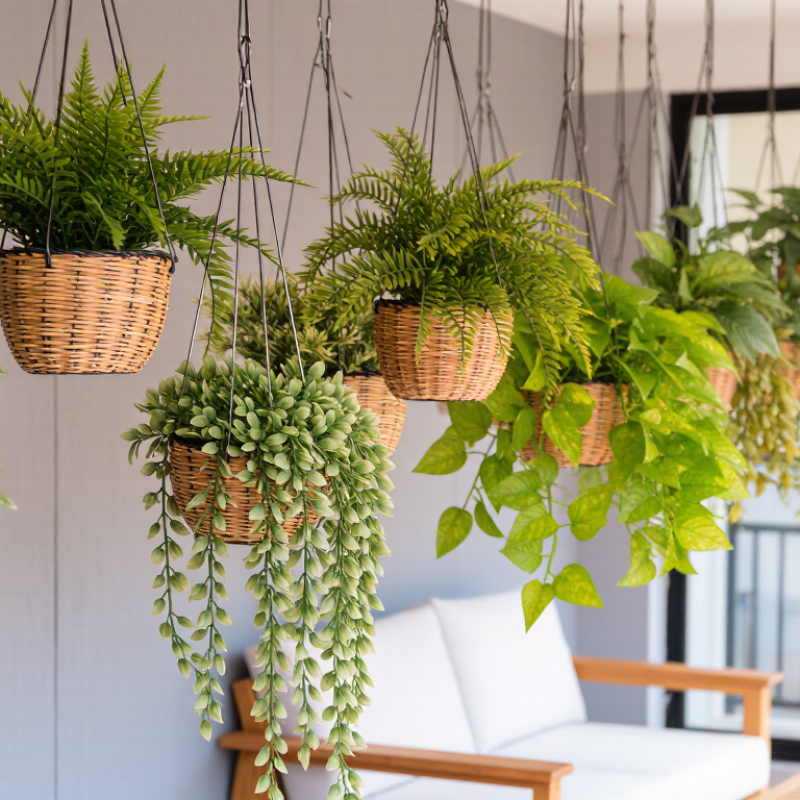
Types of Artificial Plants Best Suited for Hanging Baskets
What Are the Top Artificial Plants For Hanging Baskets?
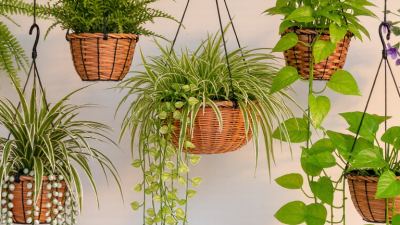
Trailing ivy is one of the most convincing choices for hanging baskets. Its flexible vines fall naturally over the rim and soften balconies, porches, and empty corners. Artificial pothos also works well because its heart-shaped leaves create visible layers. Choose foliage with varied green shades, not one flat color. In my experience, mixed tones hide small dust marks better.
Artificial ferns suit shaded spaces where delicate, arching leaves can fill the basket. Their fine fronds create movement, especially near a doorway or covered patio. For a cleaner appearance, artificial eucalyptus offers narrow leaves and a relaxed, silvery color. It looks effective in simple baskets with natural textures. However, overly dense foliage can appear artificial from close range.
Artificial flowering plants add seasonal color without watering or fading indoors. Petunias, trailing geraniums, and small hanging blossoms are practical options. Look for flexible stems and secure leaf attachments before installation. UV-resistant materials matter outdoors, but they do not prevent every color change. Strong sunlight can still dull cheaper foliage over time. I once chose a very full basket, and it looked impressive initially, but the weight pulled the hook forward. A lighter arrangement would have been safer and more balanced. Wipe leaves gently with a damp cloth, and inspect the hanger regularly for loosened parts. Keep it simple.
Key Features to Consider When Choosing Artificial Hanging Plants
What Are the Top Artificial Plants For Hanging Baskets?
Choosing artificial hanging plants requires more than attractive leaves. Grand View Research estimates that the global artificial flowers market reached about US$1.8 billion in 2023, with growth expected through 2030. The figure varies by report scope, but it reflects rising demand for durable decorative greenery. Trailing ivy, fern, eucalyptus, and string-style foliage work well because their leaves create movement below the basket. Look for dense, layered stems rather than flat plastic clusters. Realistic color variation matters, too.
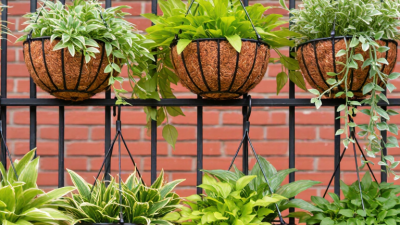
Check the material before choosing a plant for a bright balcony. UV-resistant polyethylene or polyester can reduce fading, but “UV-resistant” is not a lifetime guarantee. Ask about test duration and outdoor-use guidance.
A stable hanging basket should have reinforced loops, balanced weight, and corrosion-resistant hooks. It should not swing heavily when watered or moved. Small details matter.
Cleanability is often overlooked. Select leaves with a smooth or lightly textured surface, so dust can be removed with a damp cloth. The U.S. Environmental Protection Agency identifies dust control as a practical part of healthier indoor environments, although artificial plants do not purify air. Avoid designs with sharp wire ends or loose decorative pieces. Check dimensions carefully; a plant can look full online but appear sparse in a large basket. I still prefer slightly imperfect foliage. Excessive uniformity can make the display feel manufactured.
Top Artificial Plant Choices for Different Basket Styles
What Are the Top Artificial Plants For Hanging Baskets?
Basket style should guide the plant choice, not the other way around. For shallow wire baskets, use trailing ivy, artificial string-of-pearls, or small fern sprays. Their narrow stems fall through open gaps and create movement without hiding the frame. Woven rattan baskets suit fuller foliage, such as eucalyptus, pothos, or rounded philodendron leaves. These shapes soften the basket’s hard edges.
A 2023 report from Grand View Research identifies rising demand for realistic artificial plants in residential interiors, driven partly by low-maintenance décor. Still, “realistic” varies widely.
For modern metal baskets, choose structured plants with clean lines. Artificial snake-plant leaves or compact grasses work well above kitchens and balconies. Use one dominant texture, then add only a few smaller stems. Too much variety can look crowded from below.
Large baskets need heavier visual weight, so broad monstera-style leaves can balance their depth. Small baskets benefit from delicate trailing vines instead.
The Global Wellness Institute’s 2022 wellness design research connects natural visual elements with more restorative indoor environments, although artificial foliage cannot provide the biological benefits of living plants. That limitation matters.
Check the basket from standing height. Leaves should spill gently, not form a stiff curtain. Dust gathers quickly on hanging foliage, especially near windows. Choose wipeable leaves and secure the insert before installation.
I sometimes prefer fewer stems; empty space makes the arrangement feel less manufactured. A little unevenness helps, too. Perfect symmetry can look strangely artificial.
How to Arrange Artificial Plants in a Hanging Basket
Artificial hanging baskets look convincing when their shapes feel natural, not perfectly repeated. Trailing ivy, faux fern, eucalyptus, and small flowering stems work well together. Choose one dominant plant with long, flexible vines. Add fuller foliage around its base. Keep the arrangement visually balanced.
Place the tallest stems near the basket’s center or back. Let two or three vines fall over the front edge. Turn some leaves sideways, so the basket does not look flat. Shorter filler plants should cover visible gaps between stems. A little asymmetry usually looks more realistic. Perfect symmetry can feel artificial.
Secure each stem with floral wire or concealed foam inside the basket. Test the basket at eye level before hanging it. I often trim one vine after installation because excessive length makes the display look heavy. That mistake is easy to miss from a table. Use a sturdy hook, especially with a deep basket and dense foliage. For a sunny doorway, select UV-resistant materials, though fading can still happen over time. Dust the leaves gently with a soft, dry cloth every few weeks. Avoid overfilling the basket. Leaves need breathing space.
Care and Maintenance for Long-Lasting Artificial Hanging Displays
Artificial hanging baskets can remain convincing for years when their materials suit the location. Trailing ivy, fern, petunia, and eucalyptus-style stems create natural movement. UV-resistant foliage works best on sunny balconies. Interior baskets need softer textures and less rigid leaves. Check that the basket frame feels secure before adding full stems.
Dust settles quickly on leaves, especially near open windows. Wipe each leaf with a dry microfiber cloth every two weeks. For heavier dirt, use lukewarm water and a small amount of mild soap. Rinse carefully, then let the foliage air-dry completely. Do not scrub delicate fabric petals. They may flatten or lose their shape. A soft makeup brush can clean narrow fern fronds without pulling them loose.
Outdoor displays need closer inspection after storms. Look for faded leaves, rusted hooks, loose ties, and trapped water inside the basket liner. Although artificial plants do not need watering, moisture can encourage unpleasant odors and weaken some materials. I once ignored a loose hanging hook, and the basket tilted badly after strong wind. That mistake changed my routine. Now I check every connection monthly and move exposed baskets during severe weather. Rotate indoor baskets occasionally, too. Uneven sunlight can make one side fade faster, even when the arrangement appears artificial.
Top Artificial Plants for Hanging Baskets: Care and Maintenance Schedule
Recommended annual frequency for keeping artificial ivy, ferns, pothos, flowering baskets, and succulents clean and secure.
Dust removal is the most frequent task because hanging foliage collects airborne particles. A gentle wash every three months helps refresh larger leaves and flowers, while monthly inspections can identify loose stems, weakened hooks, or fading caused by direct sunlight. UV-resistant materials are preferable for outdoor displays, but all artificial plants benefit from periodic shade checks and careful cleaning.