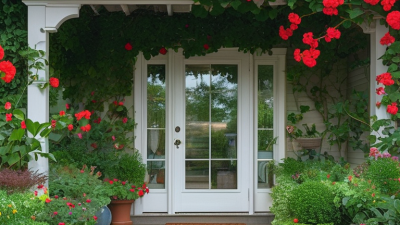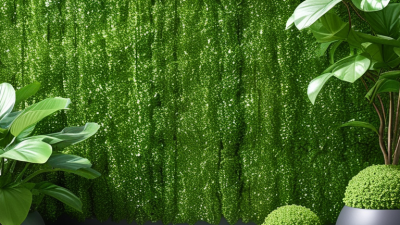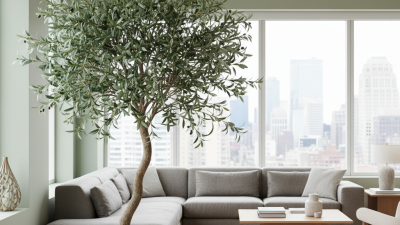
Choosing the right Fake Vines Spotlight can transform a plain wall into a warm, natural-looking feature. Yet appearance alone should not decide the purchase.
In my experience, convincing results depend on light quality, vine density, wiring, and placement. The best options create soft illumination without exposing harsh bulbs or tangled cables. A warm white glow often suits bedrooms, reading corners, and reception areas. Cooler light may work better in modern offices or display spaces. Details matter.
Look for flame-retardant materials, secure clips, stable power connections, and clear product instructions. Outdoor models should include suitable weather protection and sealed connectors. Check the stated brightness, timer settings, and energy use before installation. Many decorative lights appear similar online, but their construction can differ greatly. That assumption can become expensive.
This guide compares popular Fake Vines Spotlight options through practical design and safety considerations. It examines brightness, flexibility, durability, maintenance, and overall visual balance. For bedrooms, low heat and gentle illumination are especially important. For patios, weather resistance and dependable mounting deserve more attention. Never place lighting near damaged sockets, overloaded extensions, or easily heated fabrics. Read the manufacturer’s guidance carefully.
A beautiful display needs practical thinking.
No option is perfect. Some vines look lush but produce weak light. Others shine brightly yet reveal plastic leaves or stiff stems. I have found that careful spacing often improves the result more than buying the most expensive model. This guide also recognizes that personal taste matters. The strongest choice should fit the room, the user’s habits, and realistic maintenance expectations.
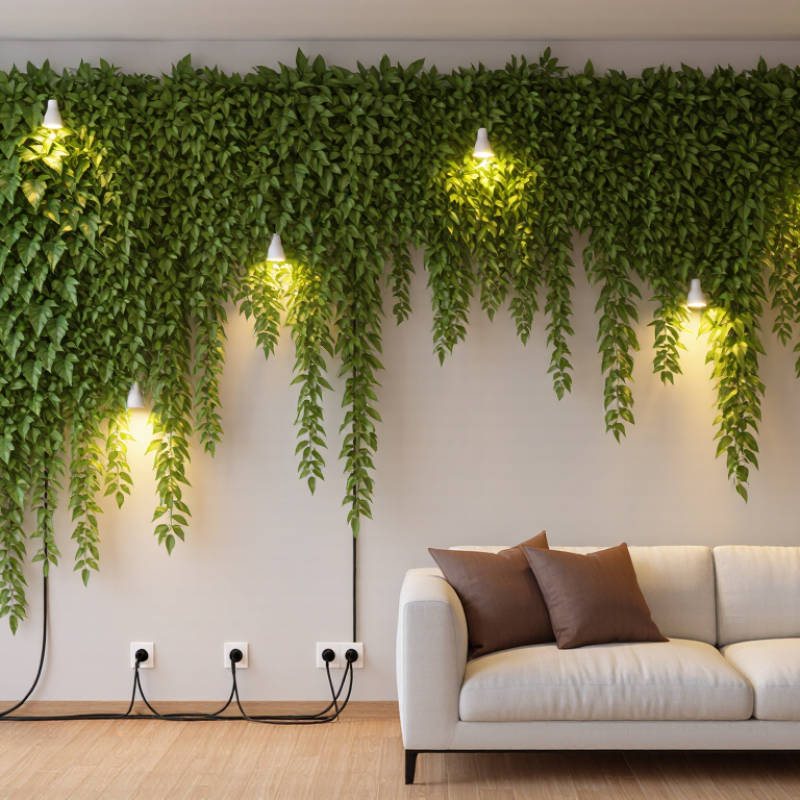
Fake vines with spotlights combine decorative foliage with small, concealed light sources. The vines usually contain flexible plastic leaves, fabric stems, or wired branches. Spotlights may sit behind the leaves, along the stem, or near the wall. When switched on, they create soft pools of light across shelves, headboards, balconies, or event backdrops. Warm white light feels intimate, while green or colored light creates a more theatrical effect. Battery-powered versions work well where outlets are unavailable. Plug-in models usually provide steadier brightness for longer displays.
Tips: Measure the display area before buying. Check the cable length and power rating carefully. Hide wires behind stems, but avoid tight bends. Use clips instead of heavy tape on painted walls. Dust can reduce brightness, so clean the leaves gently with a dry cloth. I prefer adjustable spotlights because fixed beams can leave dark patches.
The best option depends on the room’s purpose and available power source. For a reading corner, focused light is more useful than scattered glow. For a party wall, wider beams may look more balanced.
I once placed bright lights too close to artificial leaves, and the display looked harsh rather than natural. That mistake changed my approach.
Soft diffusion and spacing matter more than maximum brightness.
Fake vines do not replace proper task lighting, either. They decorate first and illuminate second.
Check heat levels during extended use, especially in enclosed spaces.
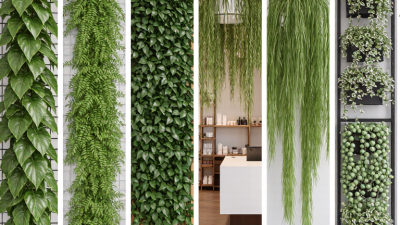
For spotlight displays, the best fake vines depend on texture, heat tolerance, and light reflection. UV-resistant polyethylene vines suit bright windows and outdoor-facing displays. Their molded leaves keep a sharper silhouette under narrow beams. Polyester vines work better indoors, especially when layered around shelving or wall fixtures. They feel softer, but cheap fibers can look flat.
A 2024 Grand View Research analysis projects continued growth in the artificial flowers and plants market through 2030, driven partly by low-maintenance décor demand. That trend supports using realistic foliage in retail, hospitality, and event displays. For dramatic spotlights, choose vines with varied leaf sizes and matte surfaces. Glossy leaves may create harsh white reflections. Mixed greenery usually looks more natural than one repeated leaf pattern.
LED spotlights are the safer practical choice near artificial foliage. The U.S. Department of Energy reports that LEDs use at least 75% less energy and last up to 25 times longer than incandescent bulbs. Keep vines away from hot housings, even with LEDs. I often leave more clearance than the installation guide suggests. It can feel excessive. Yet shadows, dust, and tangled stems change the final effect. A small sample test reveals these problems before installation, although it does not replace checking the fixture’s temperature and ventilation requirements.
Material, shape, and light transmission decide whether a fake vine looks natural under a spotlight. Polyethylene leaves usually hold crisp veins and resist moisture better than thin fabric. PVC can appear glossy, especially under narrow beams. Grand View Research’s Artificial Plants Market report identifies low-maintenance décor as a major demand driver, but appearance still depends on close inspection. I have found that matte PE leaves create softer highlights. That difference matters beside a wall.
Leaf shape controls shadow quality. Broad leaves produce bold, recognizable silhouettes. Narrow leaves create finer patterns and distribute light more evenly. A dense vine may block its own illumination. Leave small gaps between stems. A 24-degree spotlight can reveal layered depth, while a wider beam reduces harsh shadows. The Illuminating Engineering Society recommends evaluating illuminance, beam spread, and visual comfort together, rather than judging brightness alone. That advice is often missed. Brighter is not always better.
Tips: Choose translucent leaves when you want gentle green filtering. Test the vine at its final distance and angle. Compare warm 2700–3000K light with neutral 3500–4000K light. DOE lighting research shows color quality changes how surfaces and materials are perceived. Check for plastic glare from several viewing positions. A sample may look convincing online, yet fail under direct light. My own preference is imperfect layering: a few darker leaves, visible stems, and controlled gaps usually look more believable than perfect density.
What Are the Top Fake Vines Spotlight Options?
When comparing fake vines with spotlights, start with realism and construction. Look closely at leaf variation, visible veins, stem flexibility, and surface texture. A completely glossy finish often looks artificial under direct lighting. Check the vine’s length, leaf density, and hanging weight against your wall or ceiling. Polyethylene leaves usually feel more natural than thin plastic film, but material quality varies. Ask for UV-resistance testing when the vine will sit near a sunny window. The claim may be vague. That deserves skepticism.
Lighting specifications need equal attention. Compare lumen output, color temperature, beam angle, timer settings, and dimming support. Warm light around 2700–3000K usually creates a softer indoor effect, while higher color temperatures can expose plastic edges. The U.S. Department of Energy reports that LED lighting uses at least 75% less energy and lasts up to 25 times longer than incandescent lighting. That makes LED spotlights practical for long display hours. Still, energy efficiency cannot fix poor positioning. Place the light slightly above and forward, rather than directly behind the leaves. Check the adapter, cable length, low-voltage design, and relevant electrical safety certification. For covered outdoor areas, an appropriate IP rating matters. Grand View Research estimated the global artificial plants market at about US$8 billion in 2023, with continued growth projected through 2030. More products do not mean better choices. Compare measurable specifications, inspect close-up photos, and request replacement-part information before buying.
| Spotlight Option | Recommended Fake Vine Style | Typical Light Output | Power Source | Typical Runtime | Recommended Placement | Key Features to Compare | Overall Suitability |
|---|---|---|---|---|---|---|---|
| Warm-White Micro-LED Vine Lights | English ivy, eucalyptus, or mixed-leaf vines | 100–250 lumens per 2–5 m light set | Battery pack or USB | 8–40 hours for battery models; continuous operation for USB models | Bedrooms, shelves, headboards, and event backdrops | Color temperature of approximately 2,700–3,000 K, wire flexibility, timer function, LED spacing, and heat production | ★★★★★ |
| Solar Uplight with Faux Vine Cover | Ivy, fern, or trailing pothos vines | 80–150 lumens per light | Solar panel with rechargeable battery | 6–10 hours after a full day of direct sunlight | Balconies, patios, garden walls, and outdoor planters | IP65 or higher weather resistance, panel size, charging performance, automatic dusk sensor, and ground-mount stability | ★★★★☆ |
| Clip-On LED Spotlight | Dense eucalyptus, monstera, or large-leaf tropical vines | 150–300 lumens per spotlight | Replaceable batteries or USB rechargeable battery | 8–20 hours, depending on brightness setting | Bookcases, wall displays, retail-style décor, and photo areas | Adjustable beam angle, clip strength, dimming levels, color temperature, and cable or battery accessibility | ★★★★☆ |
| USB COB Light Strip Behind the Vine | Long ivy garlands, hanging vines, and dense privacy panels | 300–600 lumens per 1.5–3 m strip | USB power adapter, power bank, or computer USB port | Continuous operation while connected to power | TV walls, desks, wall panels, and indoor feature walls | Strip length, adhesive quality, heat dissipation, dimming control, bend radius, and cable routing | ★★★★★ |
| Rechargeable Puck Spotlight | Minimalist vines, ficus branches, and compact hanging plants | 100–200 lumens per puck | Built-in rechargeable lithium battery | 6–12 hours per charge, depending on brightness | Cupboards, shelves, niches, and areas without nearby outlets | Magnetic or adhesive mounting, charging port location, motion sensor, timer settings, and battery replacement availability | ★★★★☆ |
| Adjustable RGB Spotlight | Fern, tropical, monstera, and decorative mixed-leaf vines | 300–700 lumens per light | AC power or USB power | Continuous operation; lower brightness uses less energy | Entertainment rooms, parties, displays, and accent walls | White-light quality, color-adjustment range, remote or app control, beam angle, flicker performance, and memory settings | ★★★★☆ |
| Low-Voltage Garden Spotlight | UV-resistant ivy, boxwood panels, and outdoor hanging vines | 300–800 lumens per spotlight | Low-voltage outdoor transformer system | Continuous operation with a timer or photocell | Outdoor walls, pergolas, fences, and large planters | IP65–IP67 rating, cable length, connector sealing, transformer capacity, corrosion resistance, and ground-spike durability | ★★★★★ |
Comparison note: The specifications above represent common market ranges for comparable lighting configurations rather than data from a specific company or brand. For the fake vine itself, also compare leaf density, UV resistance, flame-retardant treatment, material safety, color variation, stem flexibility, length, hanging hardware, cleanability, and whether the foliage looks natural under both warm and cool light.
What Are the Top Fake Vines Spotlight Options?
How Can Fake Vines Be Installed and Maintained Around Spotlights?
Installing fake vines near spotlights requires distance, stable fixings, and heat awareness. Choose vines labeled for indoor decorative use, preferably with tested flame-resistance information. Do not assume “silk” or “plastic” means safe. NFPA research on electrical distribution and lighting equipment recorded about 32,000 U.S. home fires annually during 2016–2020. Lighting fixtures were involved in this risk category. The figure deserves attention, even for small decorative projects.
Keep leaves and stems outside the spotlight’s ventilation openings. A practical starting point is a 15-centimeter gap, unless the fixture instructions require more. Never wrap vines around the housing, cable, or transformer. Use removable clips instead of adhesives near warm surfaces. Check that the spotlight carries recognized electrical safety certification. A qualified electrician should inspect permanent wiring, outdoor installations, or damp locations. My own caution is simple: low-voltage lighting reduces some risks, but it does not remove heat or faulty-connection hazards.
Tips: Dust artificial leaves monthly with a soft brush. Inspect browned edges, brittle stems, loose clips, and flickering lights. Turn fixtures off before cleaning. Replace damaged vines promptly. For outdoor use, select materials rated for ultraviolet exposure and moisture. The U.S. Department of Energy reports that LED lighting commonly uses at least 75% less energy than incandescent lighting, producing less operating heat. Still, ventilation matters. A cooler lamp can remain unsafe when covered.
The chart shows conservative minimum clearances for placing artificial vines near common spotlight types. Cool LED fixtures generally require less separation, while halogen and high-heat fixtures require more space.
For installation, choose UV-resistant faux ivy, eucalyptus, fern, or pothos vines; keep foliage away from bulbs, vents, and moving parts, and never allow leaves to touch a hot fixture. Inspect indoor installations about every 30 days and outdoor installations after severe weather. Always follow the spotlight manufacturer’s clearance instructions when they specify a greater distance.