What Are Large Artificial Plants?
Large Artificial Plants are oversized decorative replicas designed to bring the shape and visual presence of trees, palms, and leafy plants indoors. They are commonly made with molded trunks, fabric or polymer foliage, and weighted pots. Some models include wired branches that can be adjusted by hand. The result can soften a bare lobby, frame a reception desk, or add height beside a living-room sofa. No watering is needed. Dusting still is.
Scale matters more than a dramatic product photo suggests. Measure ceiling height, doorway width, and the floor area around the pot before choosing a tree. Check leaf color in the room’s actual lighting; glossy foliage can look convincing online but overly bright beside matte furniture. Quality varies, too. Inspect branch connections, trunk texture, pot stability, and whether the leaves hold their shape after unpacking. A small detail can change the whole effect.
A trustworthy expert quotation needs a verifiable source. No article or citation was supplied here, so attributing a sentence to a named industry specialist would risk inventing authority. A practical design principle for this guide is simple: “Choose the plant for the room, not just for the photograph.” Use that idea to compare height, density, materials, and maintenance needs. Large Artificial Plants can look natural from across a room, yet close inspection may reveal repeated leaves or stiff stems. That is worth considering. The goal is not to imitate every botanical detail; it is to create a believable, well-scaled focal point that suits the space.
Definition and Key Characteristics of Large Artificial Plants
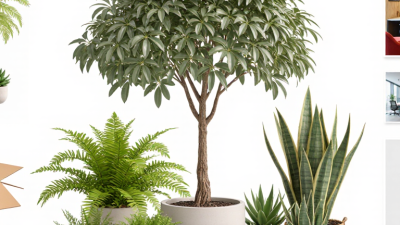
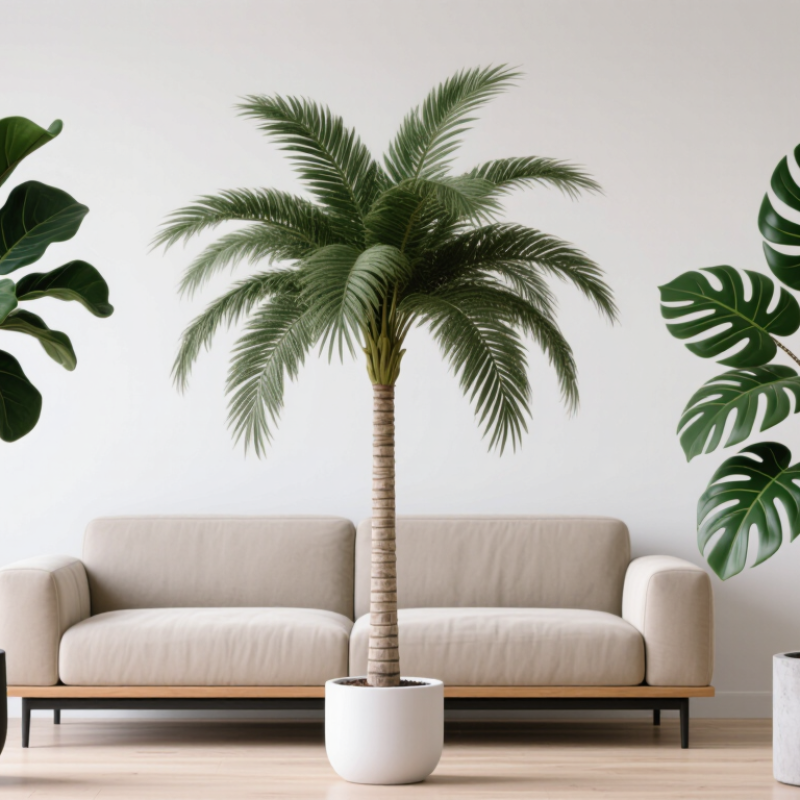
Large artificial plants are life-sized decorative replicas designed to bring the visual scale of indoor greenery into a room. They may represent trees, palms, or broad-leaf plants, and can stand several feet tall. Their leaves and trunks are commonly made from molded plastic, polyester, or other synthetic materials. Internal wire supports help shape branches, while a pot or weighted base keeps the plant upright. They do not grow. That matters.
Key characteristics include height, canopy width, leaf shape, surface texture, and overall stability. Better-made examples vary leaf angles and include subtle color differences, rather than repeating identical shapes across the plant. Check the dimensions against the room: a wide crown can crowd a walkway, even when the pot fits neatly in a corner. Materials also affect appearance and use. Some are intended for indoor display, while others have finishes designed to withstand sunlight; product specifications can clarify this. Dust gathers on broad leaves, so occasional wiping is still needed. Artificial plants keep their shape, but they cannot respond naturally to changing light or seasons. From a distance, a convincing silhouette may work well; up close, seams or stiff leaves can show. That trade-off is easy to overlook.
Common Types and Materials Used in Their Construction
Large artificial plants are built around a stem framework, then layered with leaves, fronds, or flowers. A wire core gives branches shape and lets users bend them slightly. The outer parts are often molded polyethylene (PE), polyvinyl chloride (PVC), or polyester fabric. PE can create softly textured leaves; PVC often forms firmer, glossy foliage. Fabric suits fine details, but may collect dust more readily. Feel matters.
Material choices reflect a much larger manufacturing landscape, not a direct measure of artificial-plant composition. Plastics Europe’s Plastics – the Fast Facts 2023 reports global plastic production of 400.3 million tonnes in 2022. Textile Exchange’s Materials Market Report 2023 estimates that global fiber production reached 116 million tonnes that year, with polyester making up 54 percent. These figures help explain why plastic and synthetic fibers are widely available; they do not show how much goes into decorative plants. That distinction is easy to miss.
Construction also varies by scale. Small tabletop plants may use a molded stem and a weighted pot, while tall floor plants need a sturdier trunk and a heavier base. Some trunks combine a metal support with foam or plastic bark. Check the leaf edges, branch joints, and pot stability: these details reveal more than a product’s height alone. One caveat: realistic finishes can hide mixed materials, so care instructions may not tell the full story.
What Are Large Artificial Plants? Common Types and Materials Used in Their Construction
Representative densities of materials commonly used for artificial foliage and structural supports.
Polyethylene and PVC are commonly used for molded leaves, while polyester fabric can create softer foliage. Steel wire or frames provide support. Values are approximate representative material densities; the actual weight of a plant also depends on its design and construction.
How Large Artificial Plants Are Designed and Manufactured
What Are Large Artificial Plants?
Large artificial plants are built from repeated parts, not simply enlarged versions of small desk plants. Designers study a real species, noting its branching pattern, leaf shape, color changes, and overall silhouette. They then plan a frame that can support the finished plant without looking stiff. A tall indoor tree may use a metal or reinforced-plastic trunk, with wired branches added by hand. Small details matter.
Leaves are commonly cut or molded from plastic, fabric, or a combination of materials. Their edges may be tinted, veined, or gently bent to catch light more naturally. PlasticsEurope’s Plastics – the Fast Facts 2024 report estimates global plastics production at 413.8 million tonnes in 2023. That figure covers all plastics, not artificial plants, but it shows the scale of the material supply behind many molded components. Material choice affects leaf flexibility, weight, surface finish, and how well parts hold their shape.
During assembly, workers attach foliage in layers, checking spacing and balance as the crown takes form. The plant may then be shaped by hand, packed, and inspected for loose leaves or visible joins. Not every specimen looks convincing from every angle. That is a useful reminder: design samples should be viewed at full height and from normal room distance, not only on a workbench.
Typical Uses in Homes, Offices, and Public Spaces
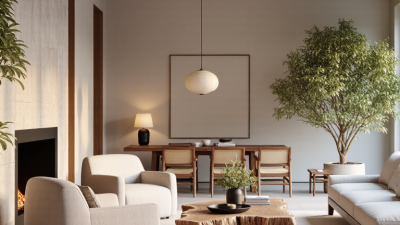
Large artificial plants are floor-standing decorative plants designed to fill visual space in a room. Their height can soften empty corners, frame a doorway, or add greenery beside a sofa. At home, a broad-leaf plant near a window can create a focal point without needing sunlight. A narrow tree may suit a hallway where a wide pot would block movement. Measure the space before choosing one; impressive height can quickly feel crowded.
In offices, artificial plants are often placed in reception areas, meeting rooms, and shared workspaces. A leafy arrangement beside a desk can make a bare corner feel less stark, while taller plants can help define a waiting area without building a partition. They need no watering schedule, which is useful in rooms with limited natural light. Still, dust shows on broad leaves. A quick wipe now and then matters.
Public spaces use larger artificial plants to add visual warmth in hotels, clinics, restaurants, and event venues. Groups of varied heights can make an entrance feel welcoming, and stable pots help keep arrangements in place near busy walkways. They can be practical where real plants might struggle with changing temperatures or frequent foot traffic. But placement takes judgment. Too many identical shapes can look stiff, and a carefully chosen arrangement may need occasional adjustment as the space changes.
Advantages, Limitations, and Care Requirements
Large artificial plants bring the visual scale of indoor greenery without demanding regular watering or specific light conditions. A tall faux fiddle-leaf fig can fill an empty corner, soften a bare wall, and add privacy beside a desk. They work well in rooms where real plants struggle, such as dim hallways or air-conditioned offices. No pruning. No fallen leaves.
That convenience has limits. Plastic and fabric leaves do not grow, release moisture, or change naturally with the seasons. Close up, repeated leaf shapes or shiny surfaces may look less convincing. Large plants can also collect dust and occupy more floor space than expected. Measure the pot and canopy before placing one; a narrow doorway may become awkward to use. Sunlight can fade some materials over time, so a bright window is not always the best spot.
Care is simple, but not absent. Wipe broad leaves with a soft, slightly damp cloth, and use a small brush around stems and textured edges. Let the parts dry fully. Avoid soaking the plant or using harsh cleaners, which may affect color or finish. Check the base occasionally, especially in busy rooms, and secure a tall plant if it feels unstable. I’ve found that rotating it now and then helps expose hidden dust, though it can also reveal an overly uniform side. That matters. A little repositioning can make the display feel more natural.