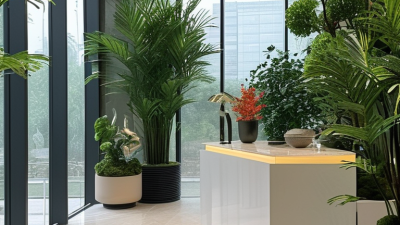
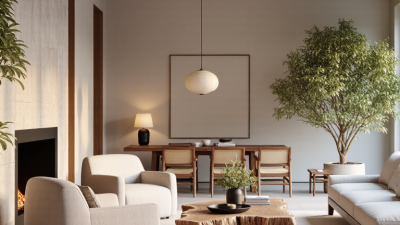
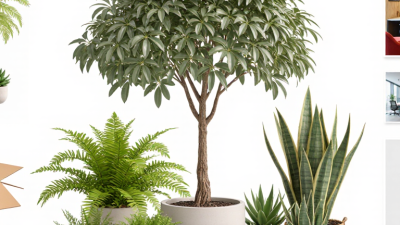
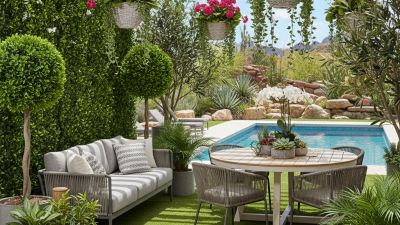
What Are the Top 10 Tall Artificial Plants for Home?
Tall Artificial Plants can give a room height, privacy, and a softer edge without adding watering to your routine. Yet the best choice is not simply the tallest one. A narrow ficus beside a bookcase feels very different from a broad palm near a bright window. Scale matters. So do leaf texture, pot stability, and how closely the foliage resembles a real plant.
The market is growing, but that figure needs context. Grand View Research estimated the global artificial plants market at about US$1.7 billion in 2022 and projected a 4.5% compound annual growth rate from 2023 to 2030. That estimate covers artificial plants broadly; it does not prove that every tall model is durable or convincing. For a home, practical details matter more: measured height, branch shape, materials, and care requirements. A product photograph can hide a sparse trunk. It happens.
Interior designer Nate Berkus has said, “Your home should tell the story of who you are, and be a collection of what you love.” That is a useful lens for choosing artificial greenery: a plant should suit the room, not merely fill an empty corner. This guide compares ten popular tall styles, including fiddle-leaf figs, palms, and olive trees. It considers appearance, placement, upkeep, and value, while noting where product claims deserve a closer look. Some options look lovely online, but less convincing up close. We’ll keep that distinction in view.
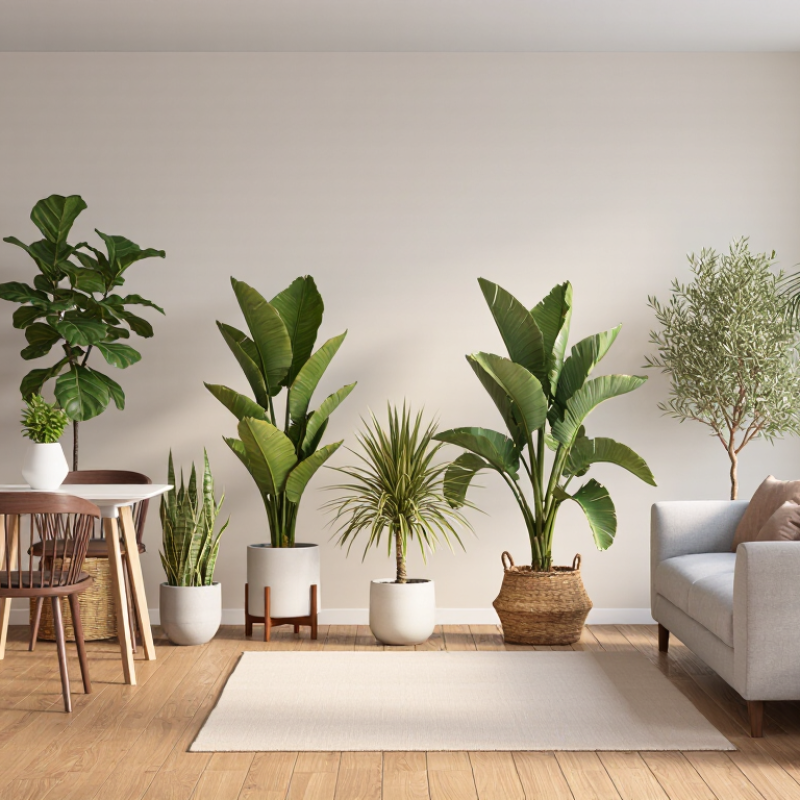
Define Tall Artificial Plants by Listed Height, Canopy Width, and Pot Dimensions
To compare the top 10 tall artificial plants for a home, read height, canopy width, and pot dimensions together. Listed height often runs from the pot’s base to the highest leaf, but flexible stems may be measured upright. Check whether the planter is included. A six-foot listing can appear shorter when branches are relaxed or angled.
Canopy width describes the plant’s broadest spread, not necessarily its shape from every side. A slim 12-inch canopy may fit beside a reading chair, while a 30-inch spread can crowd a narrow hallway. Look for product photos from several angles, and allow extra room for leaves that extend beyond the stated width. Measurements help, but they are not perfect.
Pot dimensions matter for both appearance and placement. A tall plant in a small, lightweight pot may look top-heavy beside a sofa; a wide pot can cover more floor than expected. Compare the listed pot height and diameter with your available space, including nearby furniture and baseboards. Measure the corner. Also check whether the decorative pot shown is included or merely a photo prop. That detail is easy to miss, and it can change how the plant fits your room.
What Are the Top 10 Tall Artificial Plants for Home? - Define Tall Artificial Plants by Listed Height, Canopy Width, and Pot Dimensions
Representative dimensions for common tall artificial plant styles. Listed height is the approximate overall height, including the pot; canopy width is approximate.
| No. |
Artificial plant style |
Listed height |
Approx. canopy width |
Pot dimensions (H × W) |
Suitable room placement |
| 1 |
Areca palm |
6.5 ft (198 cm) |
36 in (91 cm) |
8 × 9 in (20 × 23 cm) |
Brightens an empty corner or living-room area |
| 2 |
Ficus tree |
6.5 ft (198 cm) |
30 in (76 cm) |
8 × 9 in (20 × 23 cm) |
Living room, study, or entryway |
| 3 |
Fiddle-leaf fig |
6 ft (183 cm) |
30 in (76 cm) |
8 × 9 in (20 × 23 cm) |
A focal point beside a sofa or console |
| 4 |
Bird of paradise |
6 ft (183 cm) |
30 in (76 cm) |
8 × 9 in (20 × 23 cm) |
Open corners and larger rooms |
| 5 |
Olive tree |
6 ft (183 cm) |
24 in (61 cm) |
7 × 8 in (18 × 20 cm) |
Dining room, hallway, or neutral decor scheme |
| 6 |
Bamboo palm |
5.5 ft (168 cm) |
30 in (76 cm) |
7 × 8 in (18 × 20 cm) |
A corner that benefits from a soft, leafy silhouette |
| 7 |
Monstera |
5 ft (152 cm) |
30 in (76 cm) |
7 × 8 in (18 × 20 cm) |
Living rooms or home offices with a tropical look |
| 8 |
Dracaena |
5 ft (152 cm) |
24 in (61 cm) |
7 × 8 in (18 × 20 cm) |
Narrow corners or beside a bookcase |
| 9 |
Eucalyptus tree |
5 ft (152 cm) |
24 in (61 cm) |
7 × 8 in (18 × 20 cm) |
Bedroom, entryway, or understated interior |
| 10 |
Snake plant |
4 ft (122 cm) |
18 in (46 cm) |
7 × 8 in (18 × 20 cm) |
Compact corners, offices, or narrow hallways |
Dimensions are typical approximate sizes for these artificial plant styles; actual measurements vary by design and manufacturer. Pot width refers to the diameter of a round pot.
Compare 10 Popular Forms: Palms, Fiddle-Leaf Figs, Olives, and More
Tall artificial plants can change a room’s proportions without needing a sunny window. Areca and bamboo palms bring airy, narrow fronds to empty corners, while a kentia palm looks calmer beside a sofa. Check the crown width, not just the listed height; broad leaves can crowd a walkway. Small detail, big difference.
Fiddle-leaf figs have bold, sculptural leaves that suit clean interiors, but sparse spacing between leaves can make them look less convincing. Olive trees offer a lighter silhouette, with fine leaves and muted tones that work near pale walls. A ficus benjamina feels fuller and more traditional. For a dramatic look, bird of paradise has large, upright leaves; it can seem oversized in a low-ceilinged room.
Yucca and dracaena forms have strong, vertical lines, making them useful beside cabinets or narrow windows. A rubber tree gives a denser, darker shape, though shiny leaves may look artificial under direct lighting. Inspect leaf edges, trunk texture, and how securely the base sits. A heavy planter helps. Still, some visible seams may remain, and that can be disappointing. Measure the space with the plant’s full spread in mind, then compare samples against your room’s actual light and furniture.
Evaluate Materials and UV Claims Using ASTM G154 Test Data
A tall artificial plant can brighten a dim corner, but a sunny window tests its materials. Compare leaf fabric, stem coatings, and UV claims across your ten candidates. Polyester leaves may feel soft, while plastic foliage can hold sharper shapes. Neither material alone proves lasting color. Look for a report that names the tested components, not just the plant’s general material.
ASTM G154 exposes materials to fluorescent ultraviolet light and controlled moisture or heat cycles. Ask for the cycle details, exposure duration, and before-and-after measurements. Color change, cracking, and brittleness matter more than a vague “UV resistant” label.
That matters.
A test on a small leaf sample may not represent a finished plant with different dyes, coatings, or thick stems. Results also cannot predict every home: direct sun, glass, and seasonal heat vary.
Not a guarantee.
Treat test data as a useful comparison, not a precise lifespan promise. I’d still inspect the foliage in daylight; photographs can hide fading, and test reports can leave details out. A little uncertainty belongs in the buying decision.
Check Fire-Test Documentation Against Applicable ASTM E84 or NFPA 701 Standards
When choosing among the top ten tall artificial plants, inspect the fire-test paperwork, not just a small safety label. Leaves, stems, coatings, and pot materials may behave differently when exposed to heat. Ask for a report covering the exact product or representative materials. Ask for the report. Check the laboratory, test date, specimen preparation, and standard edition.
ASTM E84 measures surface flame spread and smoke development under specified test conditions. NFPA 701 evaluates flame propagation in textiles and plastic films, using criteria such as afterflame and char length. These tests are not interchangeable, and neither automatically proves that a complete artificial plant is fireproof. The suitable standard depends on the product’s materials and intended use. A missing detail matters.
NFPA’s 2020 Home Fires Involving Decorations report estimated an average of 790 home structure fires involving decorations each year. That figure covers decorations broadly, not artificial plants specifically, but it shows why placement and documentation deserve attention. Keep tall foliage clear of lamps, heaters, and candles. A supplier’s summary may be convenient, yet the underlying test report is more useful. Read the scope carefully; it can be easy to assume the whole plant was tested when only a material sample was.
Match Plant Scale, Stability, and Care Requirements to Each Room
A tall artificial plant should suit a room’s ceiling, walkway, and visual weight. Measure the available floor space before choosing a pot; a broad canopy can crowd a narrow corner. Bird-of-paradise, areca palm, and kentia palm shapes bring height to open living rooms, while slender bamboo, dracaena, and cypress silhouettes fit tighter spaces. Fiddle-leaf fig, rubber tree, olive tree, and eucalyptus designs offer different leaf shapes for bedrooms, offices, or entryways. Their proportions matter more than the advertised height.
Stability deserves a close look. In a busy entry or beside a sofa, choose a sturdy planter with a weighted base, and keep the branches clear of doorways. For rooms with curious children or pets, avoid placing a tall, light pot where it can be pulled or bumped. It can still tip. I have found that a small amount of concealed weight inside the planter often helps, though the base should remain level and secure.
Care is simple, not absent. Dust broad leaves with a soft cloth, and clean narrow foliage gently to avoid bending stems. Keep plants away from strong direct sunlight; some finishes may fade over time. A bright corner can still work, but rotate the plant occasionally and check its color. Kitchens and bathrooms may collect grease or moisture on leaves, so choose an easy-to-wipe design and inspect it now and then.
What Are the Top 10 Tall Artificial Plants for Home?
Compare approximate height ranges to help choose a plant that suits each room’s scale.
Height ranges are approximate and vary by product. Match the plant to the available floor and ceiling space; secure tall or top-heavy arrangements in a stable planter. Artificial plants do not need sunlight or watering, but benefit from occasional dusting and protection from prolonged direct sun.