Leave Your Message

What Are Realistic Fake Plants Made Of?

Realistic Fake Plants are designed to imitate the color, texture, and movement of living greenery without regular watering or sunlight. Their appearance depends on carefully selected materials, not magic. Most leaves use polyethylene or polyester, while stems often contain flexible plastic and an internal wire. These layers help create natural bends, soft edges, and believable surface details.

Polyethylene is common because it can be molded with convincing veins and varied shades of green. Polyester fabric may produce softer leaves, especially in ferns, palms, and flowering designs. Some premium products use polyurethane for a more rubbery texture. The stems may include steel wire, wrapped in plastic, paper, or synthetic fibers. Touching them can reveal the difference. Still, high-quality construction often feels surprisingly natural.

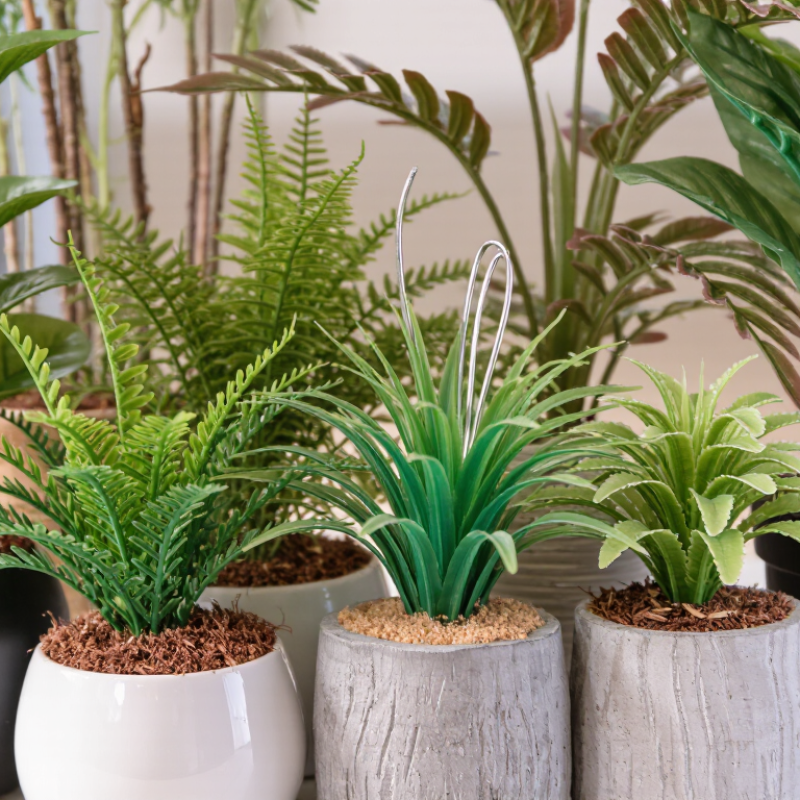
The pot matters too. Manufacturers may use ceramic, cement, plastic, or wood-look composites. Artificial soil is usually made from foam, moss fibers, bark pieces, or dyed sand. These details hide the base and make the plant appear rooted. However, “realistic” is not a universal standard. One plant may look convincing from across a room but artificial up close. Small flaws remain.

Material labels deserve attention. Look for clear product descriptions, stable construction, and care instructions from established sellers. Some plastics may fade near strong windows, while fabric leaves can collect dust quickly. Cleaning also requires restraint; harsh chemicals may damage coatings or change colors. Understanding what Realistic Fake Plants are made of helps buyers compare quality, durability, safety information, and environmental impact with more realistic expectations.
What Are Realistic Fake Plants Made Of?

Materials Commonly Used in Realistic Fake Plants

What Are Realistic Fake Plants Made Of?

Realistic artificial plants usually combine several materials, not one synthetic leaf. Polyester fabric is common for broad leaves because it accepts detailed printing and soft edge shaping. Manufacturers may coat it with polyurethane, adding body and moisture resistance. Smaller leaves often use polyethylene or PVC. These plastics can be molded with raised veins, varied thickness, and uneven color. That variation matters. Perfectly uniform green usually looks artificial.

Stems commonly combine flexible metal wire with plastic or rubber-like coatings. This hidden wire lets you bend a branch without snapping it. Trunks may use foam, fiberglass, or molded plastic around a stronger core. Larger plants sometimes include weighted cement or sand-filled bases for stability. In practice, convincing results come from mixing textures. A soft leaf beside a rigid stem can still reveal the imitation. No material is flawless. Heat, sunlight, and dust gradually change its appearance indoors.

Tips:

Feel the leaves before buying. Good pieces often have subtle texture, layered tones, and naturally uneven edges. Check the stem’s flexibility and the base’s weight. For dusty rooms, choose washable plastic leaves. Near bright windows, look for UV-resistant materials. A realistic photograph can mislead. Surface feel often tells more.

How Artificial Leaves and Stems Are Constructed

Realistic artificial leaves usually begin as thin sheets of polyester, polyethylene, or flexible PVC. Manufacturers add pigments in several tones, rather than using one flat green. Moulds press the sheets into natural curves, raised veins, and slightly uneven edges. Some leaves receive a matte coating to reduce the plastic shine. Others use fine flocking, which creates a soft, dusty surface.

The stems need both structure and flexibility. A central wire, often wrapped in plastic or paper, supports the branch without making it rigid. Foam or molded polymer may thicken the stem near each leaf joint. Workers then attach leaves at changing angles, because repeated spacing looks artificial. Small colour shifts near the veins can imitate aging or minor sun exposure.

Details matter.

A convincing branch is not perfectly clean. Real leaves differ in size, tilt, and thickness. Some artificial versions miss this balance. Their veins may look too sharp, while their edges remain unnaturally smooth. I would inspect the underside, leaf joints, and wire bends before judging quality. Loose coatings, visible seams, or identical leaf shapes can reveal rushed construction. Better pieces often combine molded texture with hand-adjusted positions, although hand finishing can also produce small inconsistencies. Those imperfections may look more believable than flawless symmetry.

Techniques That Create Natural Colors and Textures

Realistic fake plants are usually made from polyester fabric, polyethylene, PVC, polyurethane foam, and wire. Each material serves a different visual purpose. Polyester carries fine printed veins. Polyethylene forms flexible leaves with soft edges. PVC creates sturdy stems and glossy surfaces. Steel wire inside the stem provides controlled bending.

Color begins with layered pigments, not one flat green. Manufacturers mix yellow, blue, brown, and small amounts of black to imitate chlorophyll variation. Digital printing adds pale veins and tiny stress marks. Grand View Research estimated the global artificial flowers market at approximately USD 1.5 billion in 2023, with continued growth expected through 2030. That demand encourages more detailed finishing, especially for interior landscaping.

Texture requires physical treatment. Molds press shallow ridges into leaves before cooling. Heat shaping then creates natural curls, bends, and uneven margins. Some surfaces receive a matte coating, while others use fine flocking to imitate velvet or young foliage. The International Organization for Standardization recommends controlled color assessment under standard lighting, yet showroom lighting can still change the result. That remains a practical weakness. Overly perfect leaves look synthetic. Slight color drift, irregular edges, and visible vein depth often feel more convincing. Still, coatings may fade near windows, and dense dust can flatten delicate textures. Manufacturers should test samples under daylight, warm LEDs, and repeated handling before approving production.

Synthetic Soil, Pots, and Supporting Components

What Are Realistic Fake Plants Made Of?

Synthetic soil, pots, and supporting components shape how realistic an artificial plant looks. The foliage may attract attention, but the base often determines its credibility. Many realistic displays use shredded polyurethane foam, molded plastic fibers, or preserved-looking synthetic moss. These materials imitate soil texture without attracting insects or retaining water. Dark brown tones and uneven surfaces usually appear more convincing than perfectly smooth filler.

The pot can be ceramic, lightweight plastic, fiberglass, or molded composite material. A heavier outer pot helps prevent tall plants from tipping. Inside, manufacturers may add sand, small stones, cement, or recycled mineral pieces for stability. I have found that a slightly irregular rim often looks more natural than a flawless finish. Real plants rarely appear perfectly manufactured.

Supporting components remain mostly hidden. A central metal rod can strengthen the trunk, while flexible wire helps branches hold their intended shape. Floral foam, foam blocks, or expanding support materials may secure the stem inside the pot. Some arrangements use artificial roots, bark pieces, or textured resin near the surface. These details matter at close range. However, excessive filler can make the plant look staged and heavy. Product specifications should identify the materials clearly, especially for indoor use and cleaning requirements. Synthetic soil can also collect dust, which many buyers underestimate.

Factors That Affect Durability, Safety, and Appearance

Realistic fake plants are usually made from polyethylene, polyester, PVC, polyurethane foam, and flexible metal wire. Polyethylene often forms thick, textured leaves, while polyester creates softer surfaces and detailed color patterns. PVC can provide stiffness, but low-quality PVC may feel shiny or release a strong odor. A faint smell does not always prove danger, yet it deserves attention. Choose products with clear material information and allow them to air out before indoor use.

Durability depends on sunlight, heat, moisture, and handling. Direct sunlight can fade green pigments and make plastic brittle. Dust also settles into raised veins, gradually reducing the plant’s natural appearance. A sturdy wire stem should bend slightly without cracking. However, realistic texture can create a weakness: rough coatings may peel after repeated wiping. I sometimes prefer a simpler leaf with stable color over a highly detailed one that deteriorates quickly. Safety matters too. Check for secure parts, smooth cut edges, and suitable flame-resistance information when placing plants near heat sources.

Tips: Test one leaf gently before buying several pieces. Rub it with a clean, damp cloth and inspect the color afterward. Keep artificial plants away from radiators and strong windows. Use a soft brush for dust, rather than harsh cleaners. If children or pets share the space, avoid loose berries, tiny leaves, and easily detached wire ends. Do not assume a higher price guarantees safer materials. Clear labeling and careful construction are stronger evidence.

What Are Realistic Fake Plants Made Of? - Factors That Affect Durability, Safety, and Appearance

Common materials used in realistic artificial plants and the practical factors that influence their performance.

Material Typical Plant Component Durability UV and Moisture Resistance Appearance and Texture Safety Considerations Typical Service Life Best Use
Polyethylene (PE) Leaves, stems, molded foliage, and outdoor plant parts High
Flexible and resistant to impact and cracking
High
Performs well outdoors when UV stabilizers are added; does not absorb water
Can be molded with realistic veins, curves, and matte finishes Generally stable in normal use; select products tested for indoor air quality and outdoor weathering Approximately 5–10 years outdoors, depending on sunlight and formulation Outdoor arrangements, large leaves, and high-touch areas
Polyvinyl Chloride (PVC) Leaves, thin stems, vines, and molded decorative foliage Medium–High
Flexible grades resist bending; thin parts may become brittle over time
Medium
Requires UV protection to reduce fading and surface cracking
Produces smooth, sharply defined leaves with consistent color and detail Should be kept away from high heat and open flames; reputable products should meet applicable chemical-safety requirements Approximately 3–8 years indoors; less in intense, unprotected sunlight Affordable indoor foliage and detailed molded leaves
Polyester Fabric Soft leaves, flower petals, fabric foliage, and hanging plants Medium
Lightweight and flexible, but edges can fray or collect dust
Low–Medium
May fade with prolonged direct sunlight; moisture can stain untreated fabric
Offers soft folds, layered petals, and a more natural textile appearance Should be kept dry and away from flames; washable or treated versions are easier to maintain Approximately 3–7 years indoors under normal handling Flowers, soft foliage, and decorative indoor arrangements
Polyurethane (PU) Foam Soft-touch leaves, succulents, moss-like surfaces, and realistic foliage inserts Medium
Light and tactile, but can tear or deform under pressure
Low–Medium
Direct sunlight and heat can accelerate fading and surface breakdown
Provides a soft, slightly flexible texture that can imitate thick leaves Keep away from heat and ignition sources; damaged foam should be replaced to prevent crumbling Approximately 2–6 years indoors, depending on handling and light exposure Small succulents and soft-touch premium-looking foliage
Polyester or Nylon Mesh Fine petals, fern fronds, leaf veins, and lightweight structural layers Medium
Resists stretching but can snag or deform if handled roughly
Medium
Performance depends on dye, coating, and UV exposure
Creates translucent petals and delicate, layered leaf structures Use products with secure edges and low-shedding finishes, especially around children and pets Approximately 3–7 years indoors Delicate flowers, ferns, and lightweight decorative stems
Galvanized or Coated Steel Wire Internal stems, bendable branches, and leaf supports High
Maintains shape and supports heavier foliage
High
Galvanizing or coating helps reduce rust; exposed damage can allow corrosion
Provides realistic branch positioning and adjustable shape Wire ends should be fully covered to prevent cuts or punctures; avoid products with exposed sharp points Approximately 5–15 years indoors; outdoor life depends on coating and moisture exposure Adjustable stems, tall trees, and structured arrangements
Polypropylene (PP) Pots, foliage bases, molded stems, and structural plant parts High
Good fatigue resistance and low weight
Medium–High
UV stabilizers improve outdoor performance; unprotected material can fade
Produces clean molded forms, though the surface may look more uniform than fabric Generally suitable for normal household use; keep away from high heat and flames Approximately 5–10 years, depending on UV exposure and part thickness Planters, bases, rigid stems, and durable outdoor components
Natural Wood or Preserved Wood Trunks, branch sections, supports, and decorative containers Medium–High
Strong and visually authentic, but can split or deteriorate if poorly sealed
Medium
Requires sealing to limit moisture absorption, mold, and surface checking
Offers natural grain, irregularity, and a convincing trunk appearance Should be dry, clean, and free from loose splinters; treated wood should be intended for interior decorative use Approximately 5–15 years indoors with proper sealing and care Realistic trunks, branch accents, and premium interior displays

Note: Service-life estimates are typical ranges rather than guarantees. Actual performance depends on material thickness, pigments, UV stabilizers, coatings, humidity, temperature, cleaning methods, and frequency of handling.